
When I first started exploring blockchain, I always admired how transparent everything was. Anyone could open a block explorer and see transactions, wallet balances, and smart contract activity. That level of openness helped people trust early crypto systems.
But the more I spent time in this space, the more I realized something important: total transparency isn’t always practical.
In the real world, individuals and companies simply cannot operate if every financial movement or interaction is permanently visible. Businesses protect their strategies. People protect their financial history. Privacy is not the opposite of trust — sometimes it is a requirement for normal activity.
This is where @MidnightNetwork becomes really interesting to me.
Midnight introduces the concept of “rational privacy,” which means privacy is built into the infrastructure but can still allow verification when necessary. Instead of forcing users to reveal all their data, the network allows them to prove that something is correct without exposing the underlying information.
The technology behind this relies on zero-knowledge cryptography. In simple terms, it allows someone to prove a statement is true without revealing the private data behind it. For example, a user could prove they meet the requirements for a service without sharing personal documents or identity details publicly.
What I personally find impressive is that Midnight does not treat privacy as something absolute. Many privacy chains simply hide everything. Midnight takes a more flexible approach. Developers can program exactly what information remains private and what information can be revealed when needed.
That means a system could protect sensitive data by default, but still allow selective disclosure for audits, compliance, or verification. In my opinion, that balance between privacy and transparency is much closer to how real-world systems actually operate.
The ecosystem is powered by the $NIGHT token, which plays a role in governance and securing the network. Its design also introduces a resource system that separates network operations from market volatility, which could help create more predictable costs for developers building applications.
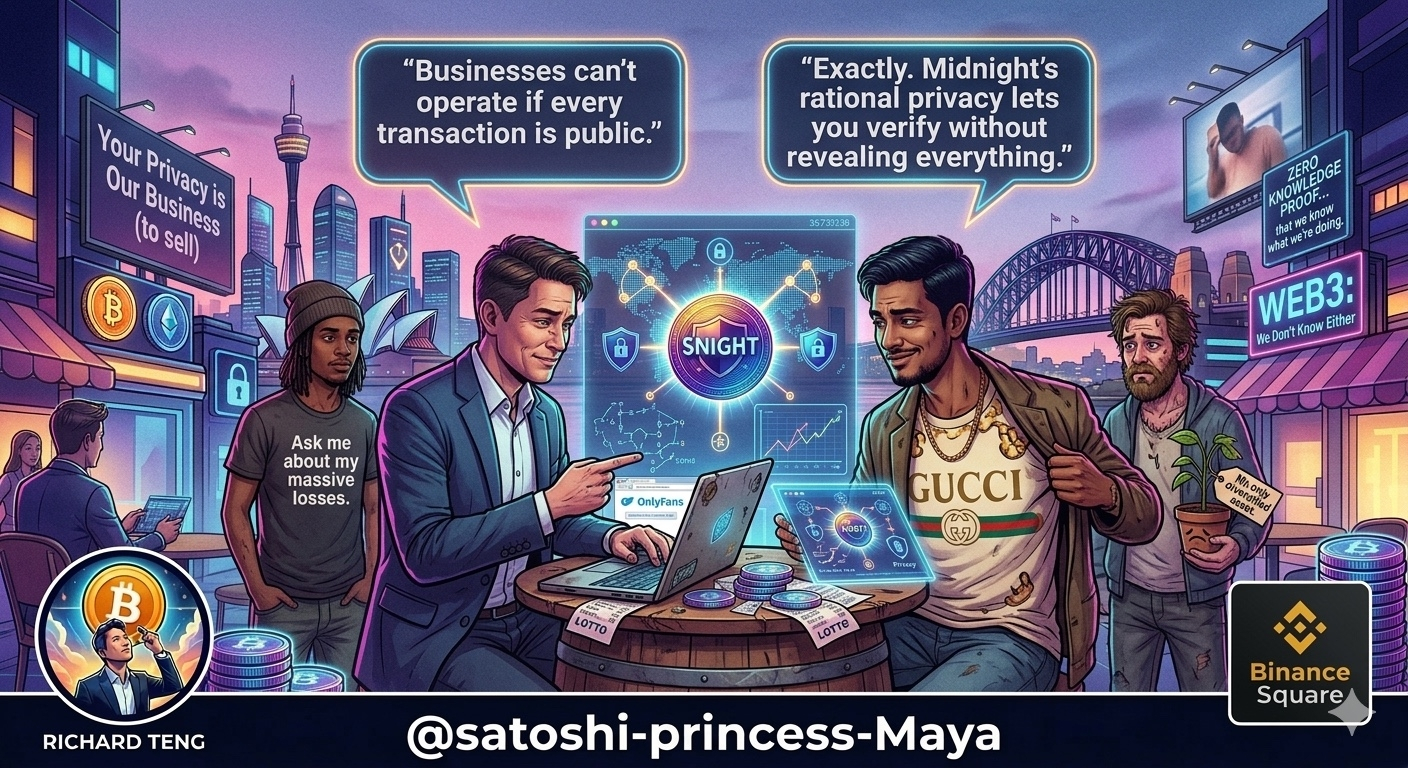
Personally, I think this approach could open the door for entirely new types of decentralized applications. Imagine financial platforms, digital identity systems, or even healthcare tools where sensitive information stays private, yet the results remain verifiable on-chain.
If Midnight succeeds in delivering this model, it could solve one of the biggest limitations of traditional blockchain systems: the inability to combine trust, verification, and privacy at the same time.
And that is why projects like Midnight and the $NIGHT ecosystem are becoming increasingly interesting to watch.#night 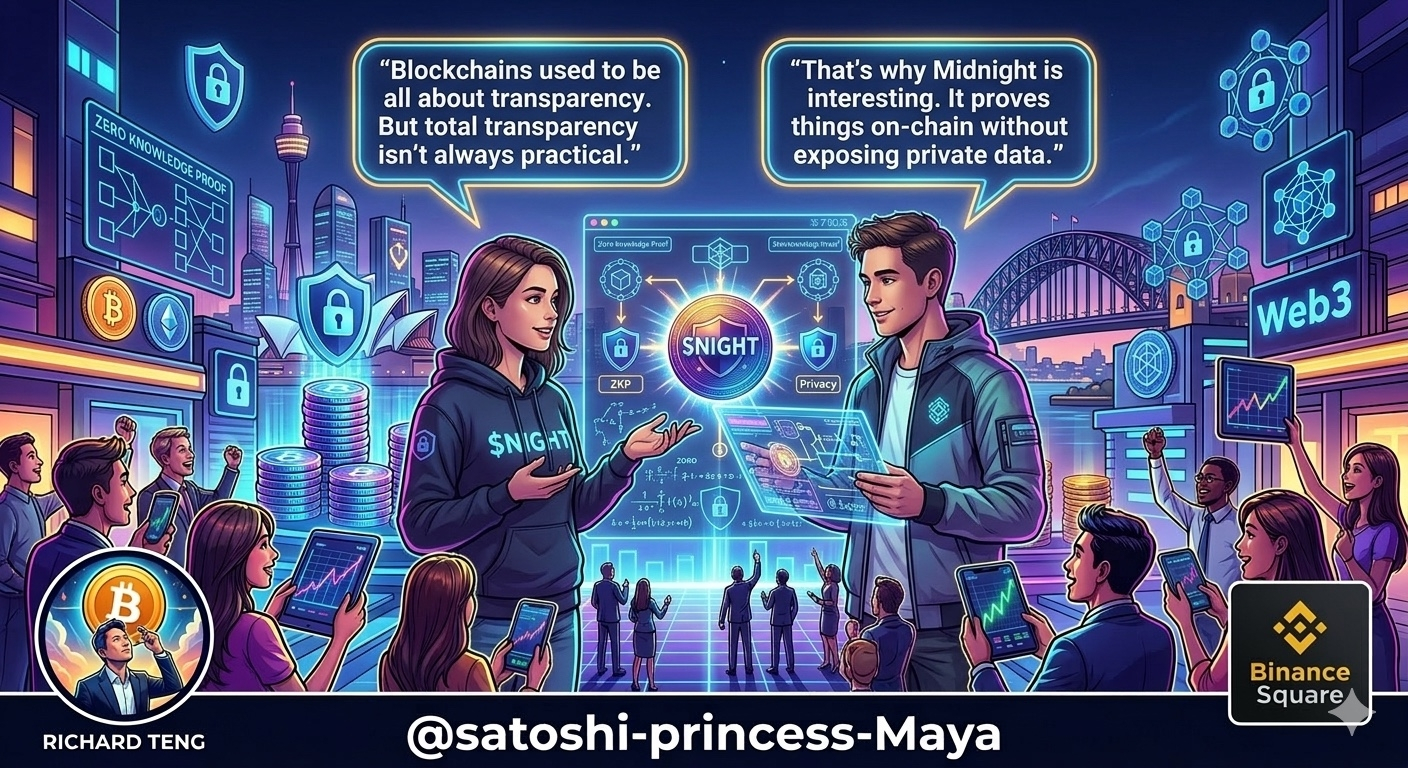 $NIGHT @MidnightNetwork