#IranianPresident'sSonSaysNewSupremeLeaderSafe
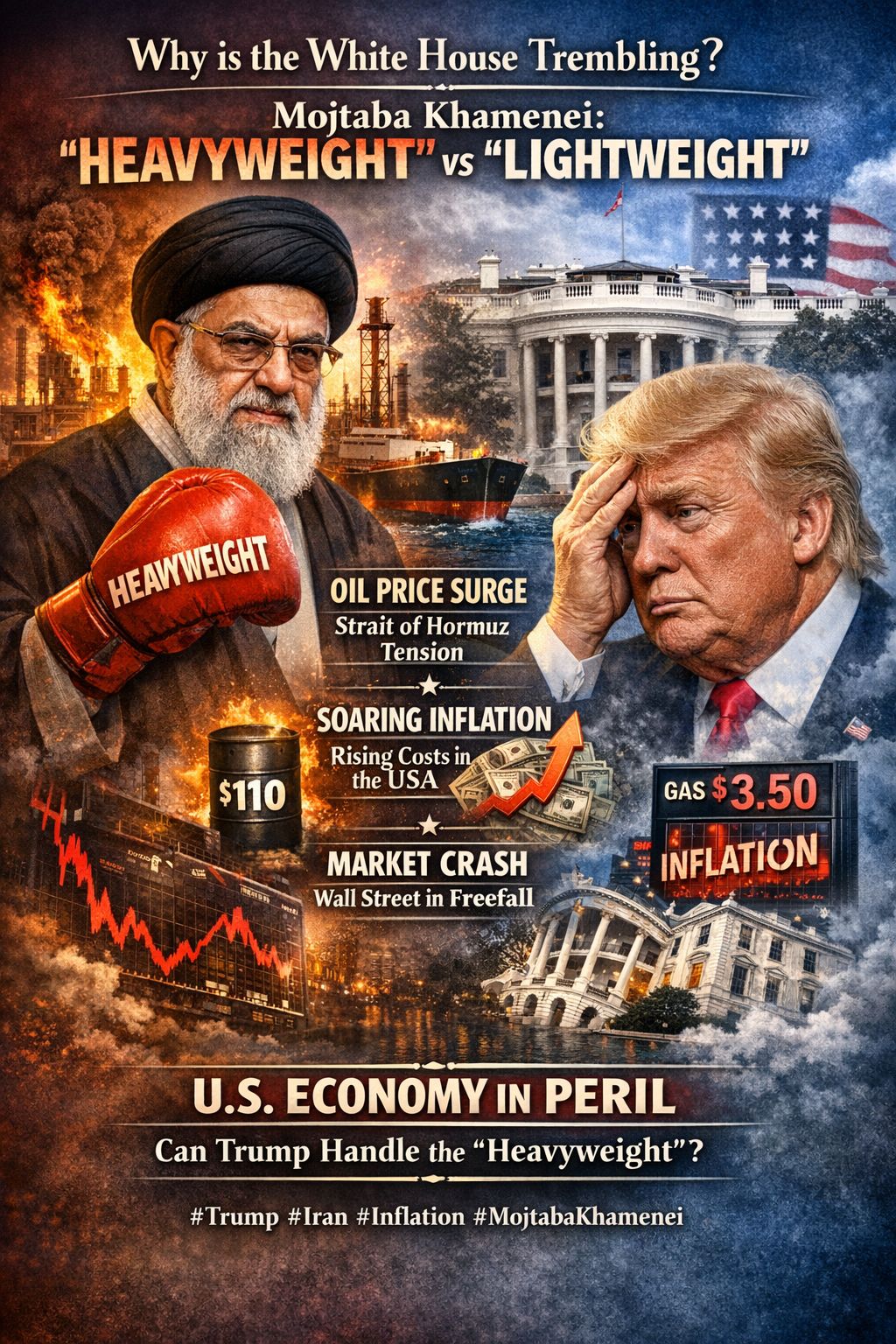
In geopolitical chess, words are weapons. When Trump labels Iran's new Supreme Leader a "Lightweight," he isn't analyzing reality—he’s attempting to "devalue" an opponent before the ultimate negotiation. But why is the truth the exact opposite? And how does this hit the American wallet?
1. The "Lightweight" Trap: Trump claims Mojtaba is "weak" to justify replacing him with a Washington-approved alternative. In reality, Mojtaba has been the "shadow architect" for years. His swift ascension signals a "solid" transition, crushing U.S. hopes for internal collapse.
2. The Oil-Inflation Equation: Markets don’t lie. Following Tehran’s power consolidation, Brent crude surged 13%, pushing U.S. gas prices toward $3.50. Mojtaba’s hardline stance keeps the Strait of Hormuz—the artery for 20% of global oil—under a permanent cloud of tension.
3. U.S. Inflation: The First Victim: Trump’s goal to tame inflation is now hostage to Tehran. Any disruption could send oil to $110, shattering Trump’s promises of lower living costs and putting the Federal Reserve in a historical deadlock.
4. Protecting the Markets: The White House is "trembling" because inflation triggered by a "Heavyweight" like Mojtaba could tank the NYSE and erode the wealth of Trump's allies. The verbal attacks are merely a "safety valve" to secure price stability.
Oracle X Conclusion: Mojtaba Khamenei is the "Heavyweight" Washington wasn't ready for. Trump’s personal jabs are a cover for his struggle to control a rampant inflation that could devour his economic legacy.
Will Trump gamble on a "Heavyweight" confrontation, or will he bow to the pressures of inflation and the stock market? $BTC $ETH $XRP