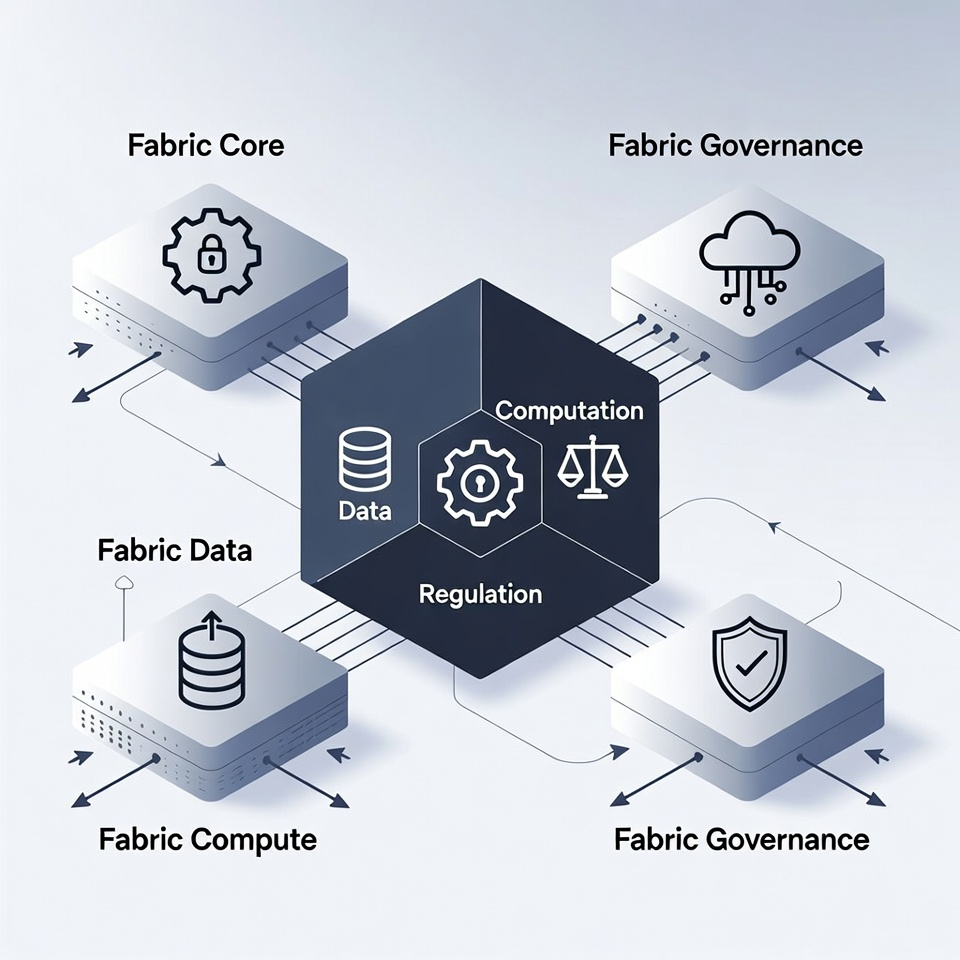
As robots and artificial intelligence get better one big challenge is trust. When robots do tasks on their own in the world. Like in delivery making things, healthcare or public buildings. We need a reliable system to record what they did why they did it and what happened. This is where Fabric Foundation and the ROBO system come in.
Building Accountability into Robots
The Fabric system introduces an idea: robots can be accountable through verifiable computing and public ledgers. Every robot action. Like moving making a decision or finishing a task. Can be recorded on Fabrics ledger. This creates a record that anyone can check.
For example if a delivery robot completes a route the system can store:
* Task assignment
* Verification of the route using sensors
* Conditions during the task
* Outcome confirmation from the system or user
on Fabrics ledger these events become hard to change making robot operations transparent and auditable.
Why Public Ledgers Matter for Robots
Traditional robot systems often use data storage, which can be manipulated lost or not transparent. Fabrics system replaces this with distributed verification.
By recording robot actions on a blockchain-style ledger Fabric enables:
1. Transparent operations
* Developers, regulators and users can verify robot behavior.
2. Long-term traceability
* Every action has a record for analysis.
3. Trustless collaboration
* Organizations can deploy robots without needing to trust one authority.
The Role of robo in Fabric
Robo is the token that powers the Fabric network.
$ROBO helps with:
* Validating transactions for recording robot data
* Incentives for nodes that verify robot computations
* Governance participation in protocol upgrades
Through these functions robo aligns incentives to maintain robot records.
Verifiable Robotics for a Machine-Integrated Future
Fabric Foundations long-term vision is an open network where robots, AI and humans collaborate safely and transparently. Recording robot actions on a ledger is a key step.
With data robots can operate in sensitive areas. Like smart cities or healthcare. While being accountable.
In this model robotics becomes more than automation. It becomes a trust infrastructure, where every decision and outcome can be traced and improved.
By combining decentralized infrastructure, with robot intelligence, Fabric Foundation and $ROBO are helping establish machine networks.