
From my experience watching how technology evolves, one thing I have noticed is that machines are becoming very good at doing tasks, but they are still surprisingly bad at explaining what they actually did. Robots move packages, assemble parts, scan environments, and perform thousands of actions every day. But if someone later asks a simple question : why did the machine make that decision , the answer is often hidden inside complex logs or private software systems. I myself have started thinking about this problem more as automation spreads across industries.
In many real environments today, when something goes wrong with an automated system, engineers spend hours trying to reconstruct what happened. They check system logs, internal databases, and monitoring tools. From my experience, these records are usually controlled by the company that operates the machines, and they are rarely designed to create a clear, independent explanation of events. As machines begin making more decisions with AI and automation, the ability to explain machine behavior may become just as important as the behavior itself.
@Fabric Foundation Foundation is one of those projects where I had to stop myself from filing it into the usual pile too quickly. At first glance it sounds like another attempt to connect robots and blockchain. But when I looked more carefully at the architecture described in the project materials, I started thinking about something different: what if the real value of systems like Fabric is not only coordination between machines, but creating a permanent explanation layer for machine actions?
From what I understand, Fabric allows machines to register identities and record certain verified activities on a decentralized network. Most discussions focus on coordination, payments, or the idea of a machine economy. But what caught my attention is that recording machine actions on a tamper-resistant system could create something we rarely talk about in automation: a trustworthy history of machine decisions.
From my experience watching how AI systems are used today, the biggest challenge is often not performance but accountability. When an automated system makes a mistake, people want to know why it happened. If robots are used in logistics, healthcare, manufacturing, or public infrastructure, this question will become even more important.
$ROBO

Imagine a future where a robot makes a decision that affects safety or operations. Instead of relying only on internal company logs, there could be a cryptographically verified record showing when the robot acted, what system verified the task, and what environment the action occurred in. What I myself find interesting is that this kind of record could help explain automated decisions long after they happen.
From my experience in crypto infrastructure, blockchains are very good at one specific thing: creating records that cannot easily be altered later. This property is often discussed in finance, but it may become equally valuable in automation systems where trust and verification matter.
What I feel is that Fabric might be exploring something deeper than most people realize. It may be experimenting with the idea that machines, like humans, may eventually need verifiable histories of their actions. Not just logs inside private servers, but records that can be independently verified.
If automation continues expanding into more sensitive areas of the economy, such an explanation layer could become surprisingly important. Engineers, regulators, and operators might need ways to understand how machines behave over time.
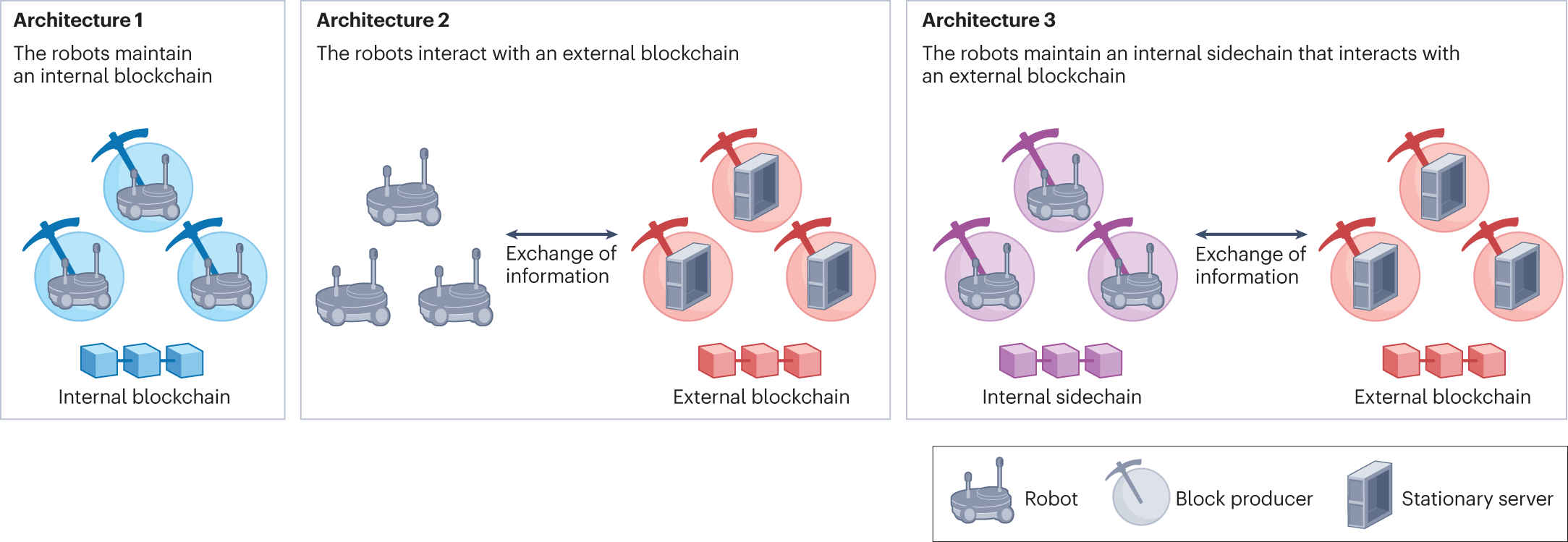
From my experience in crypto, the most interesting infrastructure projects are often misunderstood at first. They are evaluated as tokens or trading opportunities when they are actually experiments in how systems might work in the future.
I myself do not know whether Fabric will become that kind of infrastructure. What I do know is that the idea of machines leaving verifiable traces of their decisions is something we rarely discuss today.
And sometimes the most important technologies are the ones that quietly solve problems we have not yet fully noticed.