
Most individuals, upon hearing the word Robo Fabric, believe that it is simply another organization focused on making robots smarter. This is a very understandable conclusion, considering the fact that the robotics industry is filled with teams constantly trying to better sensors, AI, and robots in general.
However, upon further review of the Robo Fabric protocol, it becomes quite obvious that the organization is focused on something quite different. While most individuals are focused on making robots better, the Robo Fabric is focused on the system that robots are placed in.
The idea is centered around the concept of coordination.
Currently, in the robotics industry, once a robot completes a task, the only way to prove that it has completed the task is by keeping the information in a private database owned by a company or organization. While the information is technically being held, it is not being made portable or verifiable outside of this system. Essentially, the robot may be functioning, but no one can prove that it is functioning.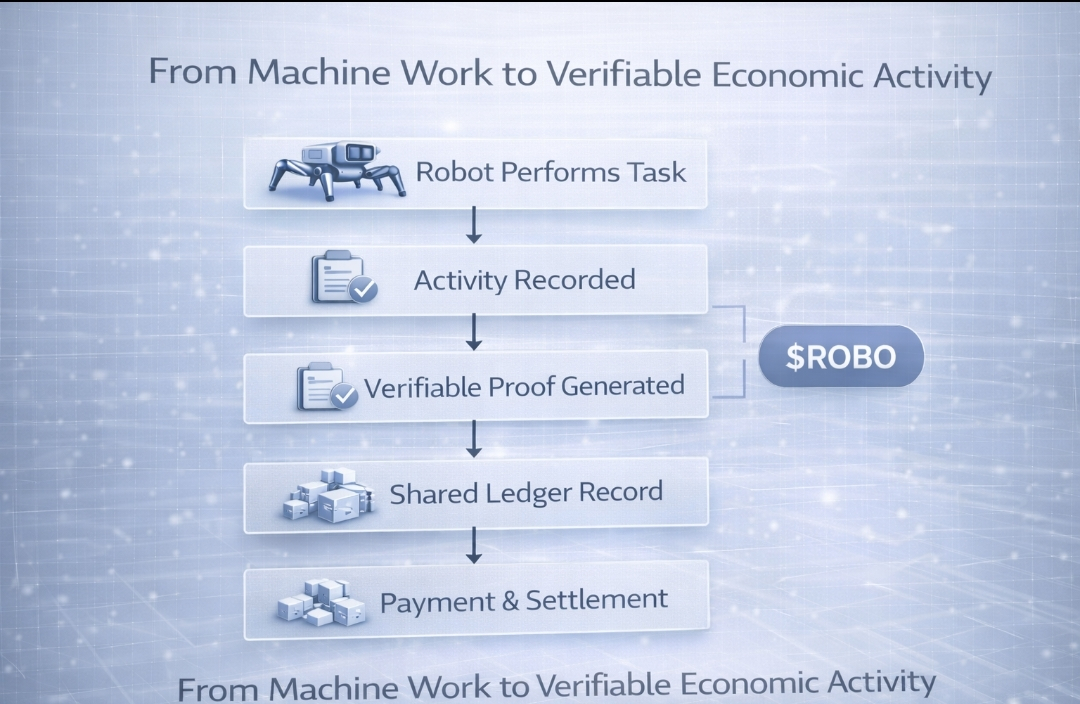
Robo Fabric is trying to understand what that problem could mean. The protocol is not trying to make the actions of the machine an internal record, as the protocol has been doing up until now. Instead, it is trying to make the actions of the machine verifiable events that can be checked by multiple individuals.
It’s not a big change, and it’s not a little change. This change is significant because it can change the way automation can be used on a larger scale.
For the past few years, the way that innovation has happened with robotics has been about making the robot faster, smarter, and more autonomous. Robo Fabric is trying to think about what happens after the task is complete. How is the task being verified? Who is verifying that the task has happened? And how is the value being transferred between the individuals?
It’s not that different from what the internet did with information sharing and verification.
The internet did not create information; it allowed it to be shared and verified across the internet.
Robo Fabric appears to be exploring a similar concept for machine-generated work.
If this kind of technology is successful, the greatest advancement may not be in the robots themselves, but in a new level of infrastructure that tracks, verifies, and settles robot interactions between multiple organizations without needing any central authority.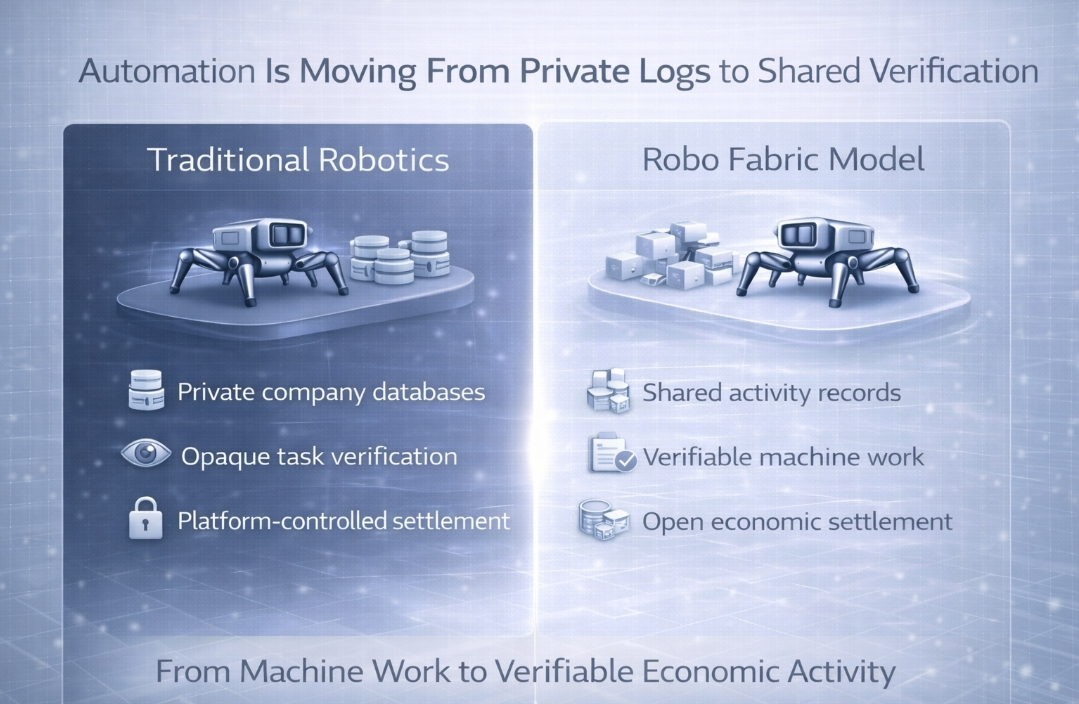
It’s early days, and many issues are still being worked out in terms of standards, conflict, and integration. But the trend is clear: the future of robots may be just as much about trust as it is about intelligence.
$ROBO #ROBO @Fabric Foundation


