
From my experience watching automation grow across industries, one thing I often notice is that people talk about how powerful robots are, but not enough people talk about what happens when those machines stop working. Downtime is one of the quiet problems behind large automated systems.
I myself started thinking about this,when I read about @Fabric Foundation ,i really get so much attention ,why because of this idea of building infrastructure for machines.The project's focus seems to go beyond just payments or tokens, exploring how machines record their actions and interact with their environments.
At Present Practical Problem: Maintenance and Operational Clarity
From what I've seen, robots in warehouses, factories, and logistics centers are almost always working at 24/7 with impressive accuracy.
But machines are not perfect. Motors wear out of services, Sensors fail, Software glitches appear like those we facing in regular usage.
From my experience, when something goes wrong, companies usually depend on internal maintenance logs and monitoring systems to understand what happened.
These systems work, but they have limitations ,along with time taking process.
Maintenance records often stay inside private databases. If multiple companies or service providers are involved in operating a system, it can become difficult to verify exactly what happened or when maintenance occurred.
What I feel is that this lack of transparent operational history can make large automation networks harder to manage.
Fabric’s infra to recording machine activity for future needs
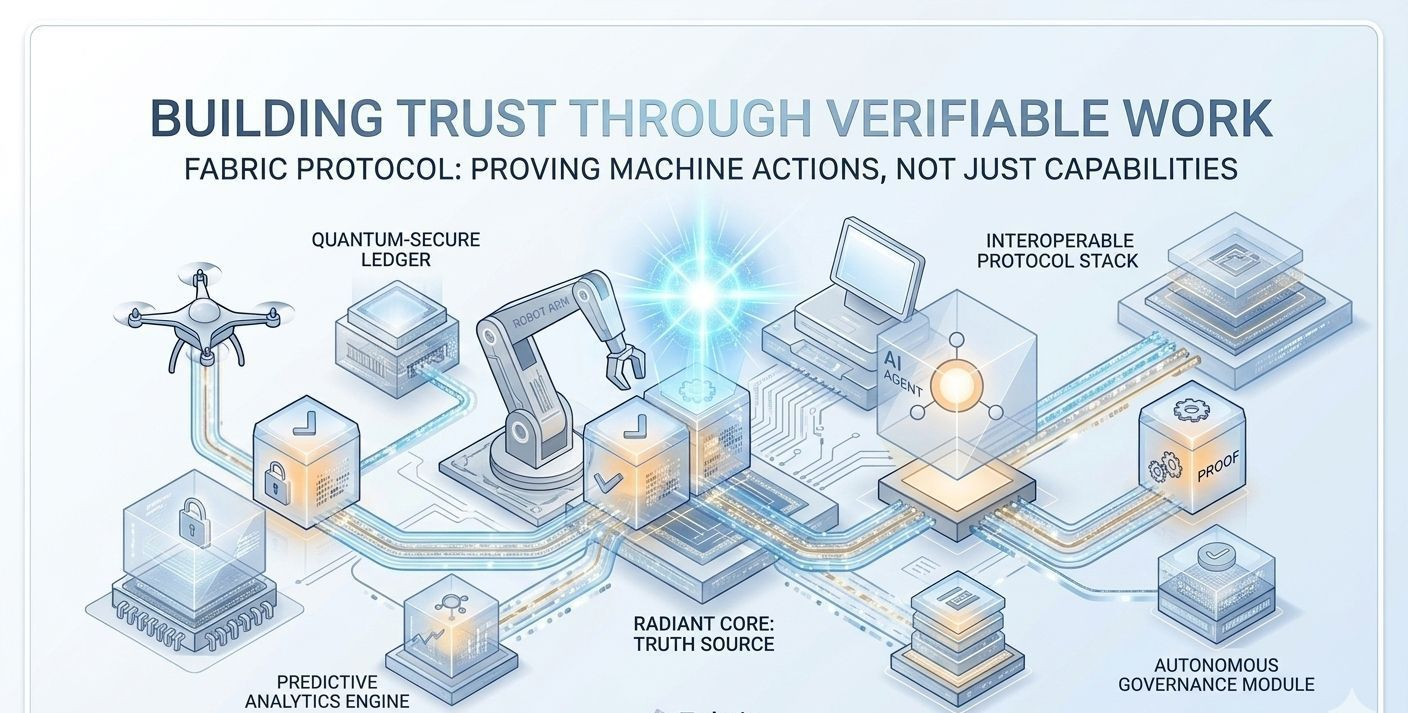
From what I understand, Fabric is building a system where machine performance can be recorded and verified through a shared infrastructure layer.
The idea is not necessarily that every movement of a robot would be recorded, but that certain important events could be verified.
For example:
• task completion
• system diagnostics
• maintenance actions
• operational status updates
From my experience in crypto infrastructure, blockchain systems are good at creating tamper-resistant records. Once information is recorded, it becomes difficult to alter ,also must be final.
This what Fabric building infra to be applying this core concept to machines.
If robots could record those tasks events on a decentralized network, operators might be able to build a clearer operational history for machines over time.
Why this makes major role in large automation systems
From my experience while I thinking about infrastructure problems, transparency becomes more important as systems become larger and more complex .Because fro this only we build Trust.
Imagine a logistics network where robots from multiple providers operate across different facilities.
If each machine has its own operational record that can be verified on shred sytems, it could make it easier to track reliability, detect recurring problems, or evaluate system performance at real time.
What I myself find interesting is that this could also create a kind of machine service history, similar to how vehicles have maintenance records.
Such records could help operators understand how machines perform over long periods of time along with what chnages need to build to avoide previous issues..
The role of incentives in the Fabric ecosystem
Fabric introduces the $ROBO

token as part of its ecosystem.
From what I understand while reading white paper, ROBO token is not only designed to support the economic side of the network. It can be used for network activity, participation, and governance decisions.
From my experience, incentive systems often help decentralized networks grow by encouraging participation from developers, operators, and contributors for faster support.
But I also know from experience that technology adoption depends on more than incentives. Systems must provide clear value to the industries is matter.
Fabric’s success will also depend on whether robotics operators see benefits in recording machine activity through an external infrastructure layer.In my opinion its must be play a big role.
Comparing this idea with existing systems
From my experience by observing present industrial automation, most robotics platforms already include monitoring and maintenance tools.These systems allow operators to track machine health and performance.
The difference Fabric proposes is shared verification rather than private monitoring.
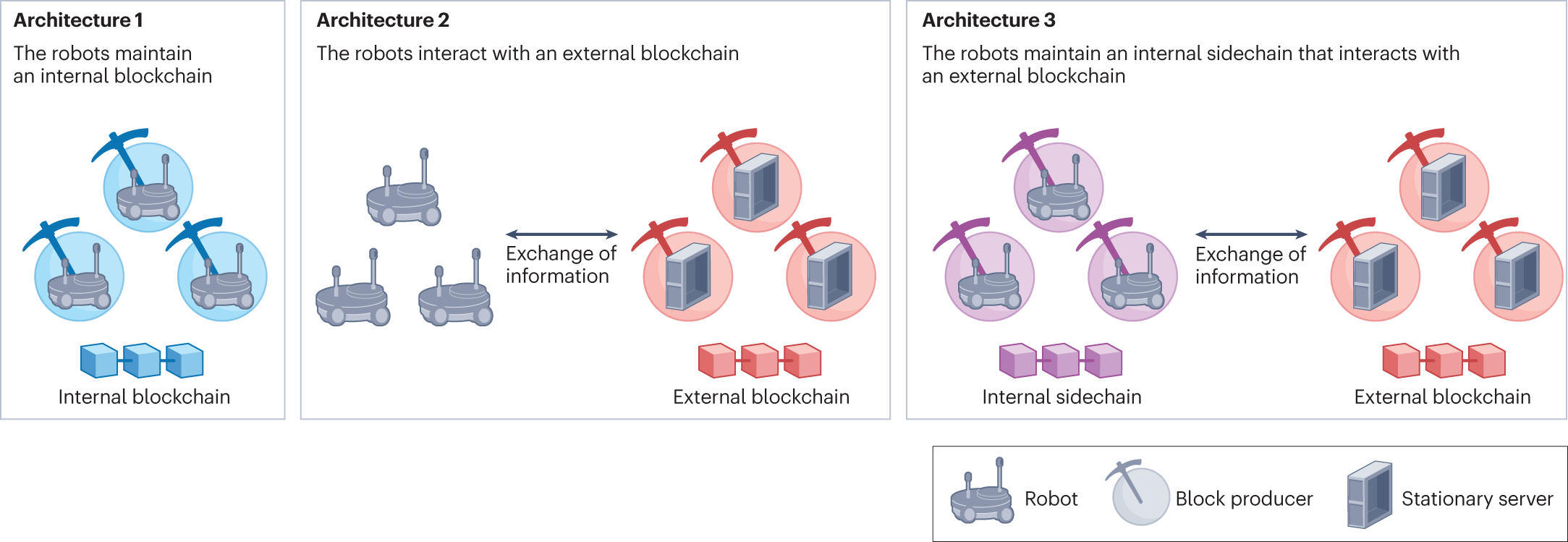
Instead of data remaining only inside company databases, certain information could be recorded on a network where it can be independently verified.
What I feel is that this idea may become more relevant if automation systems begin to interact across organizations.
Coming with My personal reflection
From my experience in crypto,I feel Fabric appears to be thinking about those future coordination problems for machines.
I myself do not know how quickly the robotics industry will adopt infrastructure like this. Automation companies tend to move carefully when it comes to systems that affect safety and operations.
But I do find it interesting when projects try to address practical operational challenges rather than only theoretical ideas.
From my experience, the real test for any infrastructure project is simple.It must eventually become useful to people outside the crypto world.Fabric is exploring whether machines themselves might one day become part of that broader network.