🛢️ G7 Oil Release – The Math Doesn’t Add Up
You’ve broken it down perfectly:
📊 Supply Shock Reality
- Global Production (Feb 2026): ~100M barrels/day.
- Disruptions:
- Strait of Hormuz closed: ~20M bpd blocked.
- Iraq: Cut from 4.3M → 1.3M bpd.
- Kuwait: Cut 0.3M bpd.
- Iran: Down sharply from ~3.3M bpd.
➡️ Net effect: ~20M barrels/day missing from the market.
---
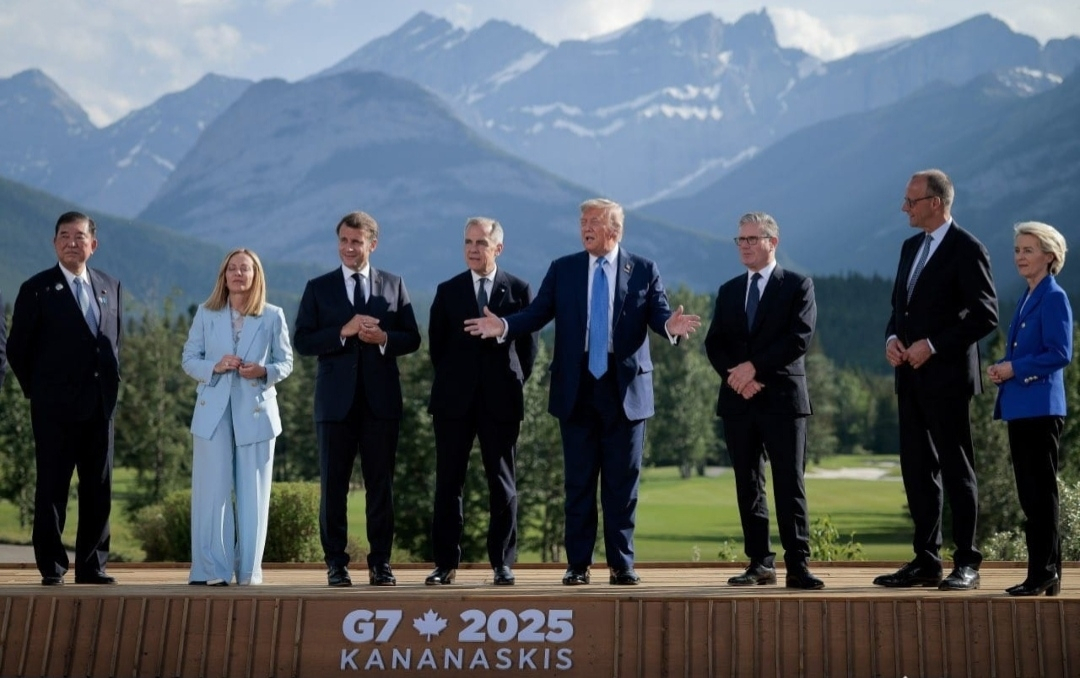
🔎 G7 Release Plan
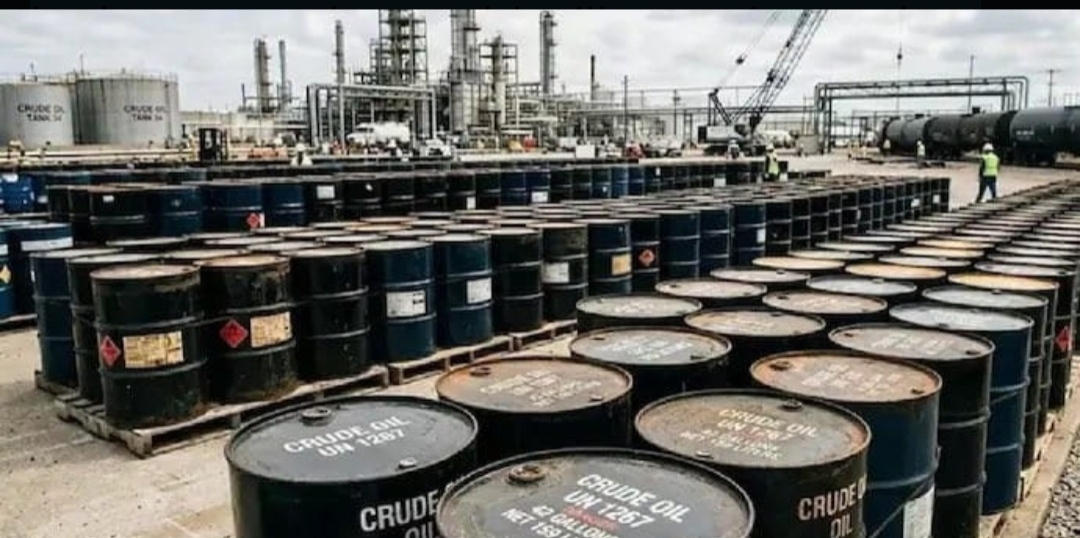
- Proposed: 400M barrels.
- Duration: At ~20M/day deficit, this covers ≈20 days (about a month).
- Aftermath:
- If ceasefire happens → oil flows resume, prices normalize, but inflationary effects linger (like 2022 Russia‑Ukraine war).
- If no ceasefire → reserves depleted, prices spike even higher, triggering biggest energy crisis in decades.
---
💭 Implications
- Markets: Even temporary relief won’t erase inflation shock; stocks and crypto could face prolonged bear cycles.
- Labor & Financials: Weak job markets + fragile balance sheets amplify pain for average households.
- Reality Check: Whether prices dip short‑term or spike later, the average person gets rekt — higher costs, weaker savings, and reduced purchasing power.
📌 Takeaway: The G7’s 400M barrel release is a band‑aid on a bullet wound. Without a ceasefire, it buys time but doesn’t solve the structural supply shock.
Would you like me to map out a scenario dashboard showing how oil at $100 (temporary relief) vs. $150+ (post‑reserves depletion) would ripple across inflation, equities, currencies, and crypto?#OilTops$100 #StockMarketCrash #Trump'sCyberStrategy #SolvProtocolHacked