


Most conversations about robotics start with the robots themselves. The humanoid ones that walk, talk, and mimic us. The drones buzzing through the air. The automated arms in factories doing the same motion a million times.
But there's a quieter question we rarely ask:
$ROBO What happens when all these machines need to work together?
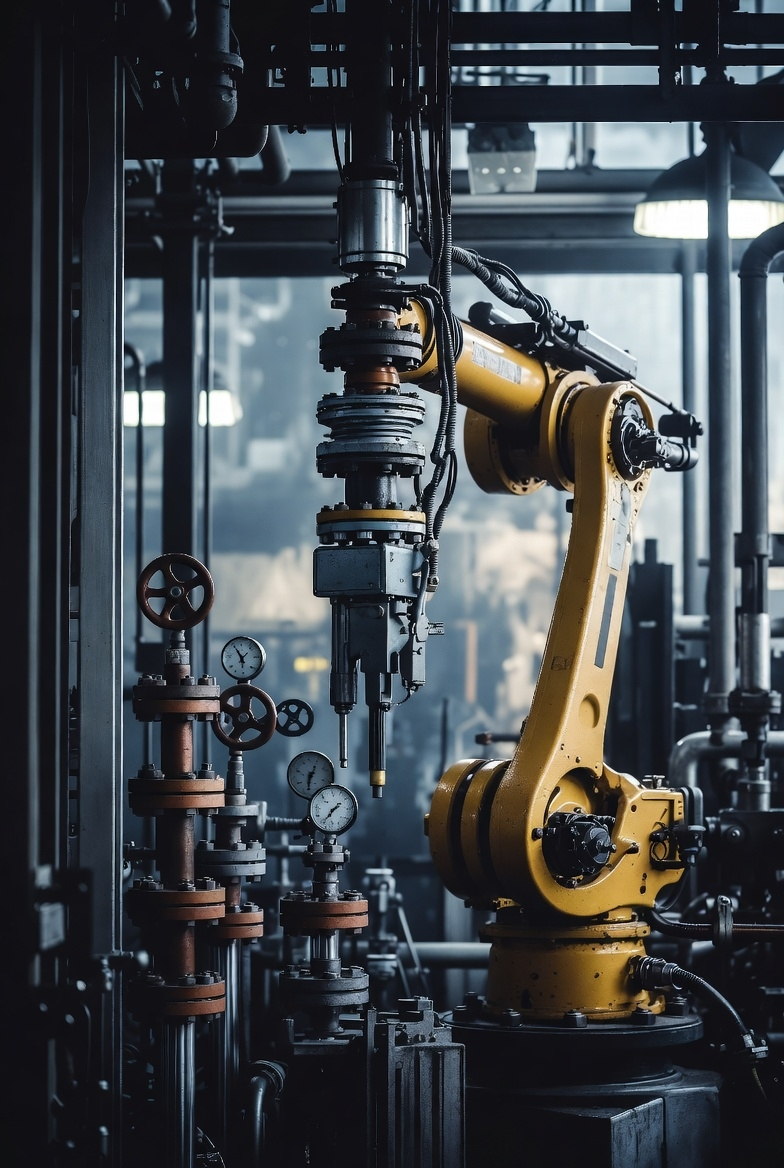
Right now, most robots exist in their own little worlds. A warehouse robot runs on one company's system. A delivery drone follows completely different rules. They don't talk to each other. They don't share information. And that's fine when there are only a few thousand of them.
But we're not heading toward a world with just a few thousand robots.
Think about cities where delivery bots share sidewalks with autonomous vehicles. Where drones navigate the same airspace. Where machines from different manufacturers need to coordinate without crashing into each other or getting in the way. Suddenly, the fragmentation becomes a real problem.
This is where the conversation shifts from hardware to something less visible but more fundamental: infrastructure.#ROBO
It's like the early days of computers. The machines themselves were impressive, but the real revolution happened when we connected them through shared protocols. Suddenly, isolated devices became part of something larger. The internet changed everything, not because computers got better, but because they could finally communicate.
Robots need that same leap.
They need a way to answer basic questions: Who are you? What have you done? How do we work together without stepping on each other's toes?
Some projects are starting to explore this space. Fabric Protocol, for example, is experimenting with something like a digital backbone for autonomous machines@Fabric Foundation a neutral layer where robots could register their identity, record their actions, and coordinate with other machines, regardless of who built them.
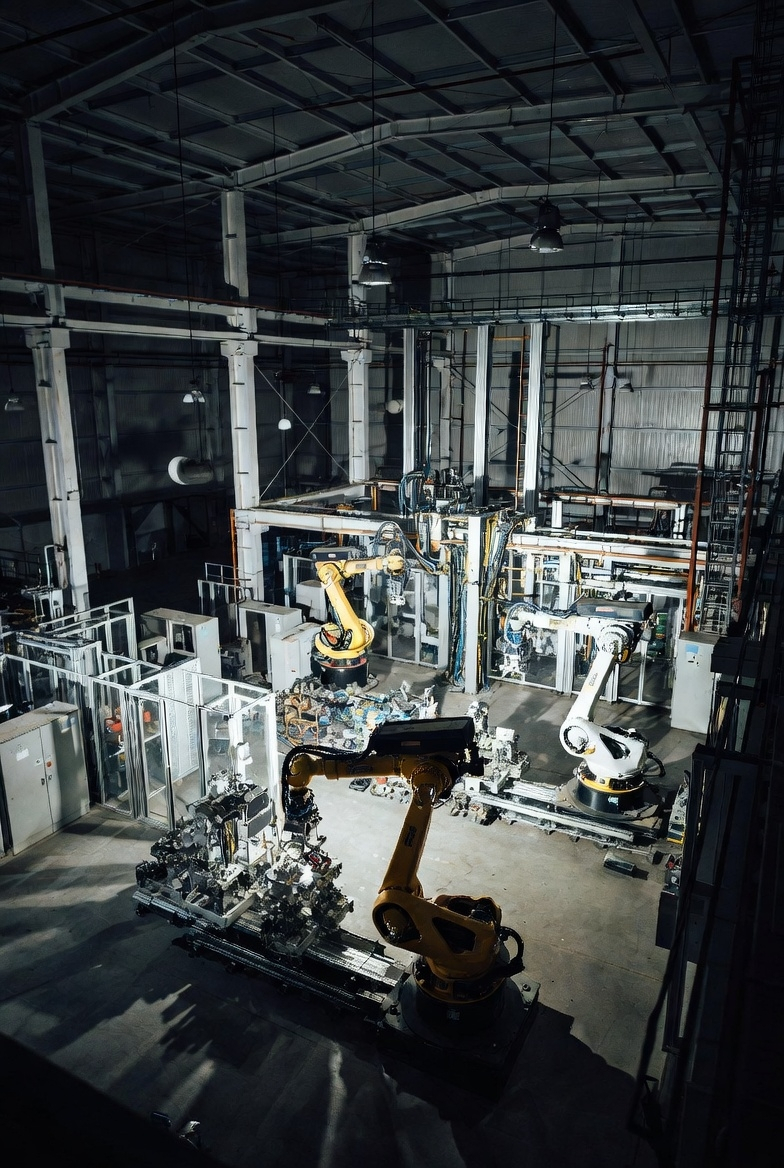
It's ambitious. And skepticism is healthy. Infrastructure is hard to build because it requires everyone to agree on the same rules. Promises are easy. Making it work across thousands of different robots, manufacturers, and real-world environments? That's a different story.
But the underlying question won't go away. As robots move from warehouses into our streets and cities, the chaos of isolated systems will become impossible to ignore. We'll need something that helps them work together safely, transparently, and at scale.
The robots themselves will keep getting smarter. But the real magic might happen in the background—in the quiet infrastructure that makes sure millions of machines don't just exist, but actually coexist.