
A possible endgame of this conflict — step by step.

Not everyone will agree with this view, but the pattern some analysts are watching looks like this:
📉 Step 1:
Oil prices remain above $100 for several days. Fuel costs surge, and people start feeling it directly at the gas pump. Headlines slowly shift from missiles and strategy to the cost of living.
📉 Step 2:
Public support for the war begins to weaken. As fuel prices climb higher, political pressure grows and approval numbers start falling.
📉 Step 3:
Political leaders begin framing the operation as a success. Messages focus on “mission accomplished” and highlight military achievements to shape the narrative of victory.
📉 Step 4:
Military forces begin a gradual withdrawal. Officials describe it as “redeployment” or “strategic repositioning” rather than a retreat.
📉 Step 5:
Inside Iran, power shifts could strengthen hard-line leadership. A new supreme authority might emerge and consolidate control for decades.
📉 Step 6:
Instead of weakening the regime, the conflict could make it more radical and more unified internally. Any moderate political alternatives may disappear.
📉 Step 7:
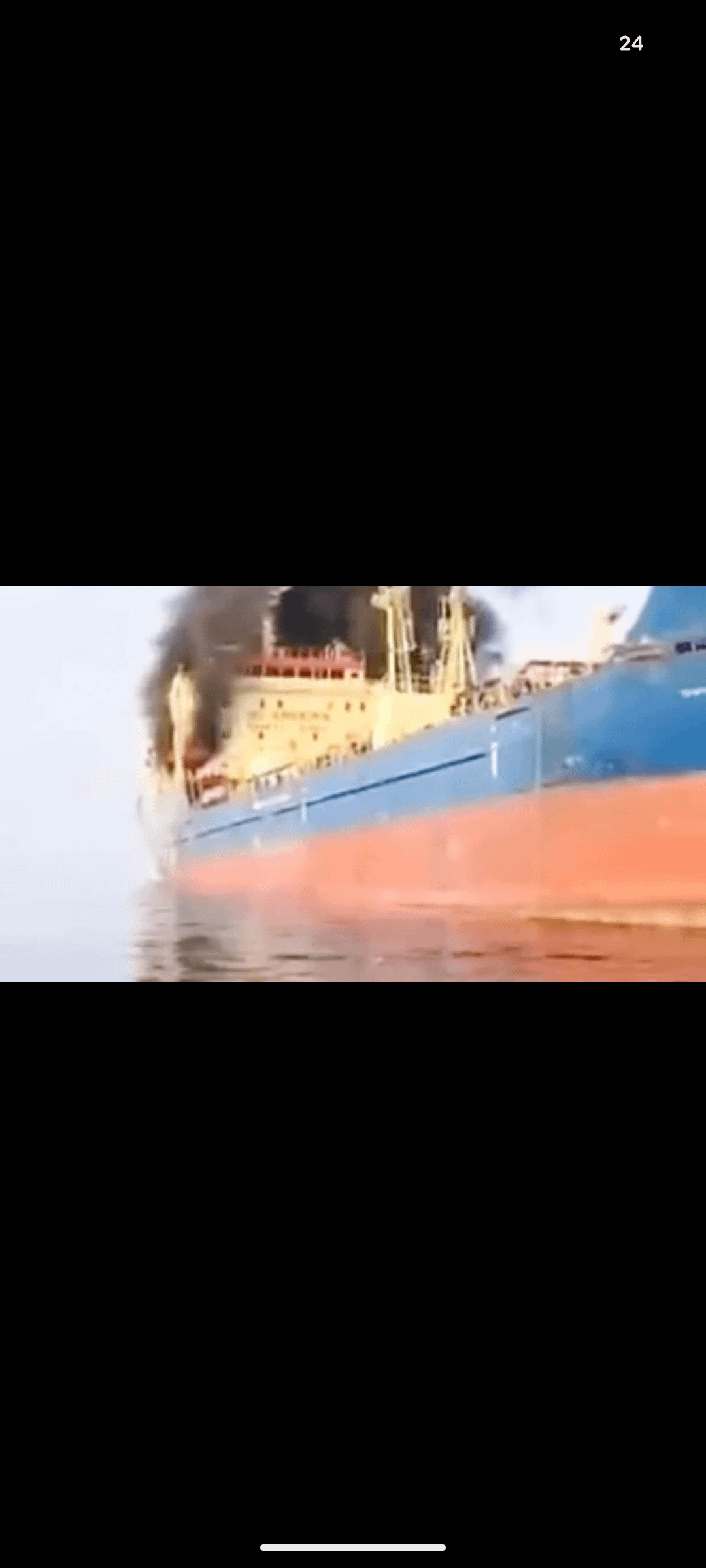
Even if fighting slows, the economic shock continues. Oil routes and infrastructure take time to stabilize, keeping energy prices high for weeks or months.
📉 Step 8:
The broader global impact becomes clear:
• Billions spent on military systems
• Trillions erased from markets
• Major oil supply disruptions
• Global economic slowdown or recession risk
In the end, the battlefield outcome and the political outcome may look very different.
A country’s military capabilities might be damaged — but its leadership could become more entrenched and more hard-line than before.

Conflicts rarely end exactly the way they’re presented in victory speeches. The real consequences often appear months or years later.