
Rivers have always played an important role in human civilization. They provide water for drinking, agriculture, transportation, and wildlife. However, rivers also hide many interesting objects beneath their flowing water. One of the most fascinating discoveries people sometimes make in rivers is coins. These coins, often called river coins, can tell us interesting stories about history, culture, and human behavior.
Many coins end up in rivers for different reasons. In some cultures, people throw coins into rivers as part of a tradition or belief. They may make a wish or pray for good luck while tossing the coin into the water. This practice is similar to throwing coins into fountains. Over time, thousands of coins can collect on the riverbed.
Another reason coins are found in rivers is accidents. People traveling by boats, crossing bridges, or spending time near the water may accidentally drop coins from their pockets. In the past, traders and travelers often used river routes, so it was common for small objects like coins to fall into the water.
River coins are also important for historians and archaeologists. When old coins are discovered in riverbeds, they can help experts learn about the time period when they were used. The design, metal, and inscriptions on the coins can reveal information about ancient kingdoms, trade routes, and economic systems.
However, coins that stay in water for a long time often change in appearance. The metal reacts with minerals in the water, causing the coin to become corroded or covered with deposits. Despite this, many coins can still be identified and studied.$RIVER #StockMarketCrash #AltcoinSeasonTalkTwoYearLow #OilTops$100 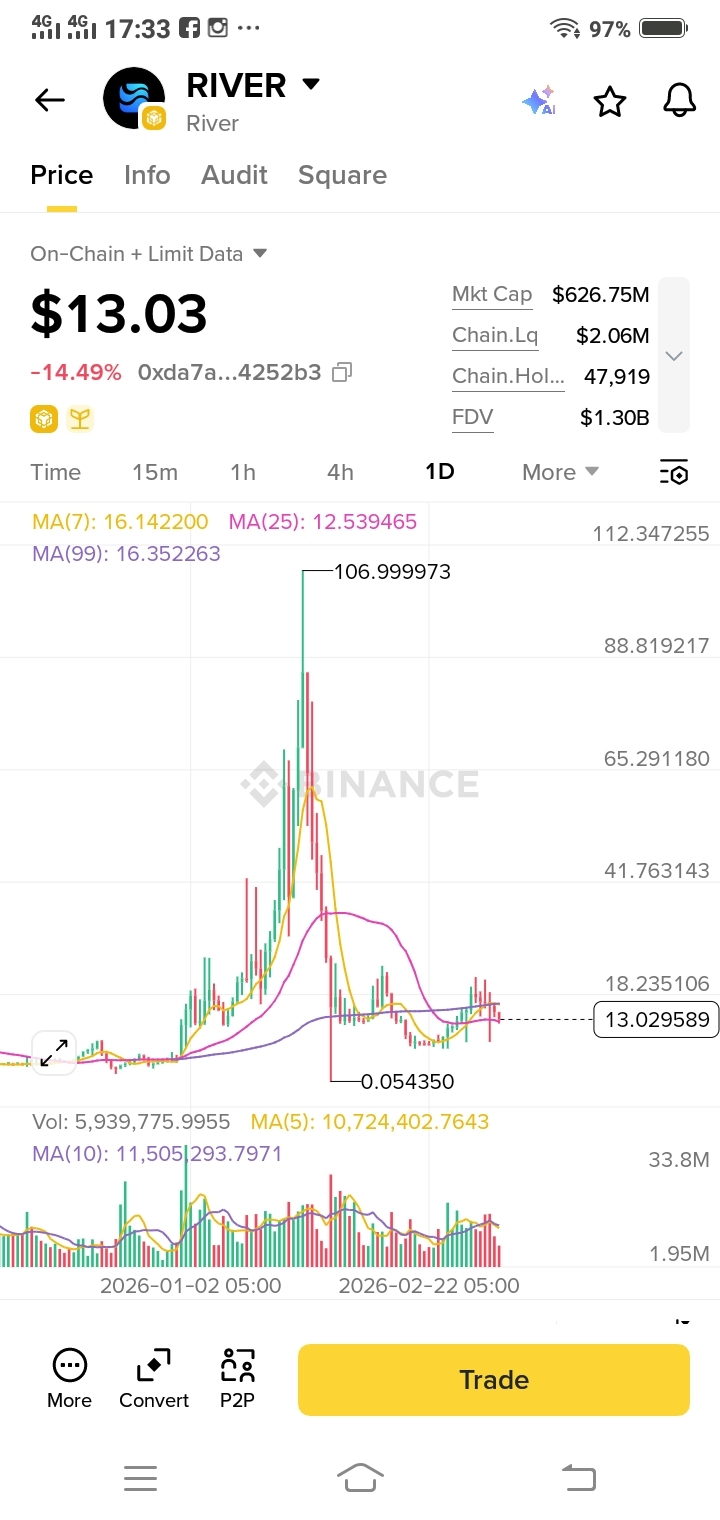 Support my content