
Look, after eight years in the crypto trenches, I have learned something that I remind myself of again and again: technology narratives move in cycles, but infrastructure tends to move slowly. When a project talks about building something that might matter ten years from now, most people either ignore it or overhype it. Very rarely do they try to understand what problem it is actually trying to solve.
When I started reading about @Fabric Foundation , I tried to approach it from that perspective. Not from the excitement around the token, but from the practical question I always ask myself now: what real systems might this connect to in the future?
The growing complexity of machine systems
From my experience watching automation expand across industries, robots are becoming part of everyday operations. Warehouses use robotic sorting systems. Factories rely on automated arms for assembly needs. Hospitals and service environments are slowly adopting care taking service robots.
But something I myself notice when looking at these systems is how complex and fragmented the environment is becoming.

Each company builds its own control software. Each robotics platform has build its own communication protocols . Each deployment generates huge amounts of operational data that stays locked inside that system.
From my experience thinking about infrastructure problems, fragmentation like this usually leads to a deeper challenge: machines may become common everywhere, but they still struggle to interact beyond their own systems.
The problem of machine coordination is big now
Right now, most robots operate inside well-controlled environments means isolated platforms. A robot warehouse system is carefully designed to work with a specific set of machines and software tools.
But if automation continues to expand globally, we might start seeing situations where machines from different vendors operate in the same environment.
From my experience thinking about this, that raises a question: how will those systems coordinate safely and efficiently?
Today the answer is usually custom integrations or centralized control platforms.
Fabric is exploring a different approach. Instead of changing entire centralized coordination systems, the project proposes a shared infrastructure layer where machines can verify actions, record tasks, and coordinate certain activities through a decentralized network that to with out human interaction on open source network.
What Fabric is actually trying to build
From what I understand after studying the project details from last multiple weeks, Fabric is attempting to create infrastructure for what it calls the machine economy.
The idea is not simply about robots sending payments to each other. What I myself see in the design is something closer to a coordination and verification network for machines.
Fabric introduces a few key components features to make this possible.
First is from offering machine identity. Robots would have persistent digital identities that allow them to be recognized across systems.
Second is from task verification. When a robot performs a task, the activity could be recorded in blockchain in a way that can be independently verified.
Third is from economic coordination, supported by the $ROBO

token, this token used for network activity, governance, and participation in the ecosystem.
From my experience in crypto infrastructure projects, this combination of identity, verification, and incentives is often how decentralized networks coordinate participants.
Why this problem might matter in the future
One thing I myself always remind people is that infrastructure problems rarely look urgent at first.
From my experience from watching the development of the internet, protocols like TCP/IP or HTTP did not look revolutionary to most people when they were first introduced. They simply solved coordination problems between computers.
Over time those protocols became the invisible foundation of the internet.
Fabric seems to be exploring whether a similar layer could exist for machines rather than computers.
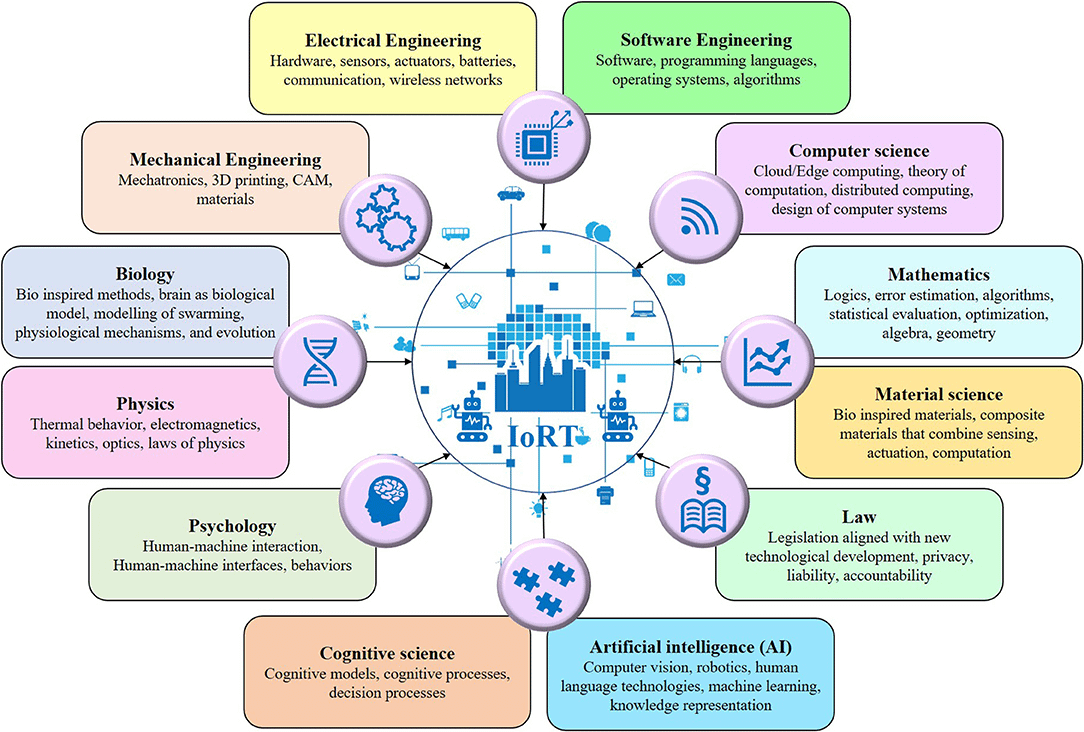
If robots become widespread across logistics, manufacturing, transportation, and services, there may eventually be a need for systems that allow machines to interact across organizational boundaries.
My personal perspective
What I feel when I look at Fabric is curiosity rather than certainty.
Look, after eight years in the crypto trenches, I have seen many ambitious ideas. Some disappeared quickly. Others quietly built infrastructure that later became essential.
The difficult part is always the same: adoption outside the crypto ecosystem.
From my experience, the projects that survive long term are the ones that eventually connect with real-world systems rather than existing only in token markets.
Fabric’s vision depends on whether robotics developers, automation companies, and researchers see value in a shared coordination layer for machines.That is not something that will happen overnight.
I know future that will take time
From my experience what i understand is, technology transitions rarely happen in a straight line. New infrastructure often appears years before the world realizes it needs it.
Fabric appears to be positioning itself for a future where machines are not isolated tools but participants in larger automated systems as a patners.
Whether that future arrives in five years or fifteen years is impossible to know.
But after eight years in crypto, I have learned that sometimes the most interesting projects are the ones quietly asking the question:
What kind of infrastructure will machines need when they start interacting with the world at scale?
My answer is Fabric,no doubt on it..