

Man, I've been wrapped up in Fabric Protocol lately, and with everything heating up this March 2026, it's hard not to feel this surge of optimism about where robots are headed. You ever think about how robotics could change everything from farming in places like Rahim Yar Khan to disaster relief worldwide, but it's always stuck behind closed doors or corporate walls? Fabric flips that on its head. It's this vibrant, global open network, championed by the non-profit Fabric.
Foundation, that's all about letting people everywhere build, steer, and grow general-purpose robots together. No gatekeeping—just pure, collaborative energy. Their early March updates, like the ones on March 1st and 6th, show real pilots kicking off, where verifiable computing meets agent-native setups to make human-robot teams feel natural and secure. It's not some distant dream; it's happening now, pulling in devs, farmers, and dreamers alike.
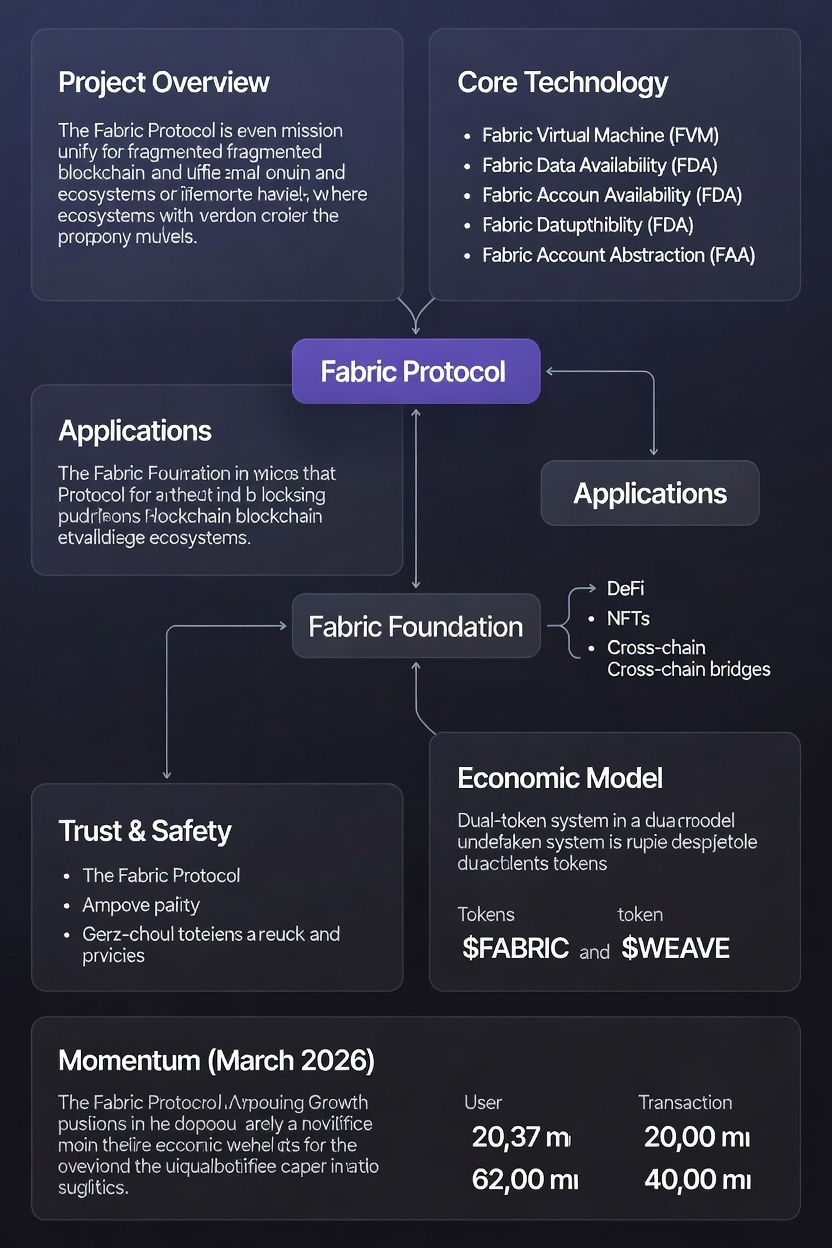
What gets me every time is the sheer elegance of how it works. Imagine data pouring in from sensors on a field bot, mixing with cloud smarts and edge decisions, all dancing across a public ledger that anyone can check. No more silos where one robot's genius can't help another. This month, the Foundation dropped fresh details on their coordination framework—robots handing off tasks in warehouses or streets, every step proven and auditable. I picture local irrigation systems here in Pakistan evolving from shared, verified tweaks by folks who actually know the soil, scaling up to global standards without anyone owning the keys. It's organic, you know? Like a community garden for machine intelligence, where contributions earn you a fair slice through ROBO tokens, fueling more innovation.
And the trust layer—wow, that's where Fabric shines brightest this March. Programmable rules weave right into the protocol, so robots don't just move; they justify every choice against ethics or safety nets. Think eldercare bots in homes, adapting to grandma's quirks while families peek at decision logs, or delivery drones weaving through traffic with zero black-box mysteries. The Foundation's playing neutral groundkeeper, onboarding new voices from academia to regulators, as their latest blog hints. It's refreshing in a world of profit-chasing hype—no wonder early adopters in logistics are cutting costs and boosting uptime. Peer-to-peer agent chats let machines negotiate jobs on the fly, with humans holding the veto, building this web of accountability that just... works.
Economically, it's clicking into place too. Those March Binance Square breakdowns lay it out: supply compute or killer datasets, get rewarded in a marketplace that's alive and growing. Disaster-response drones pulling from crowdsourced evolutions, factories running leaner—it's exponential. The network's designed to snowball, smarter with every node, dodging the failures that plague centralized setups. Living through floods and heat here, I see bots customized for our realities, verified safe, and shared freely. That's the beauty—no repetition of old mistakes, just forward momentum.
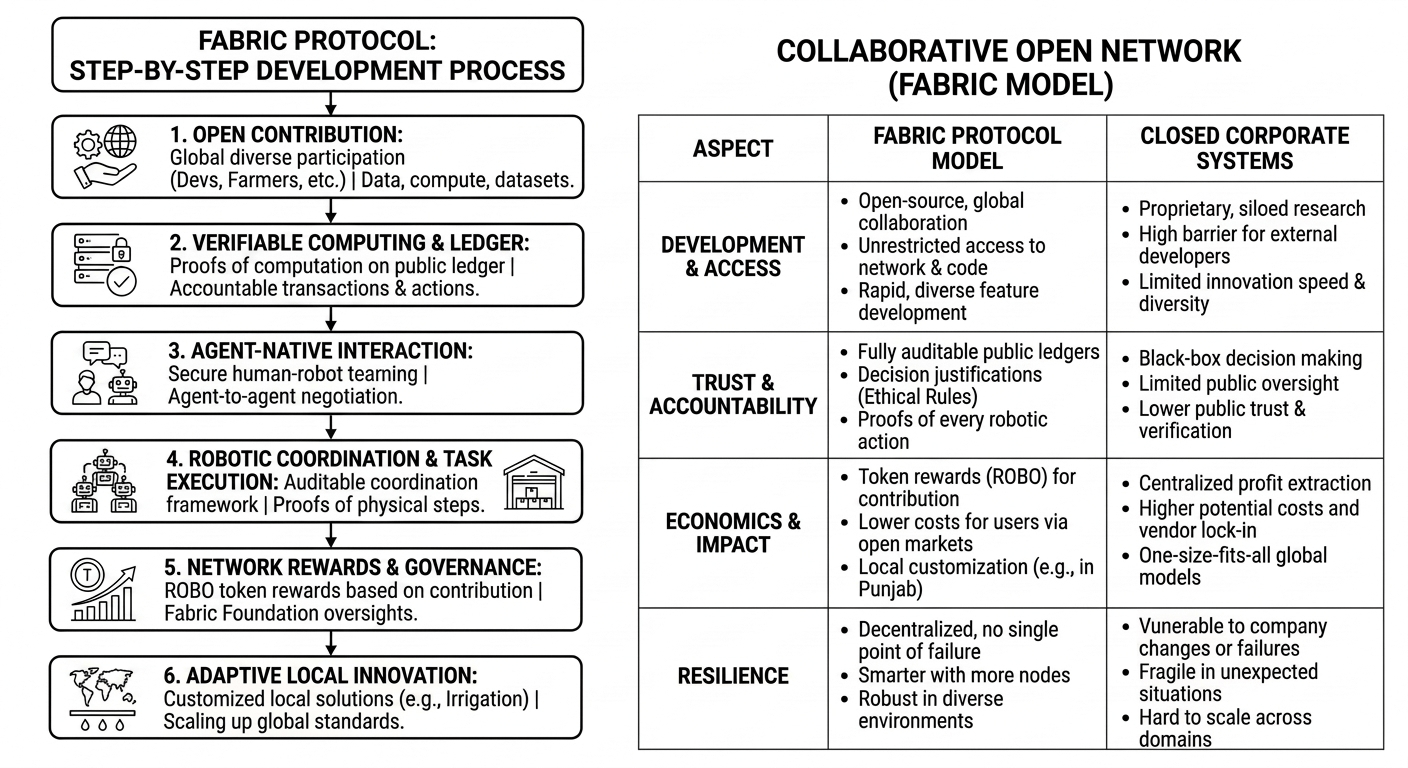
Peeling back the layers, Fabric feels like the antidote to AI fears. Amid all the noise about rogue machines, their March push on open verifiability calms the nerves. Regulations evolve with the tech, humans stay in the loop, and the Foundation's non-profit heart keeps it human-centered. From refining navigation for uneven terrain to ethical oversight modules, it's a flywheel turning stakeholders into co-creators. I've shared this with friends over chai, and we all agree—it's not about replacing us; it's amplifying what we do best. If robotics is the next frontier, Fabric's charting a path that's inclusive, exciting, and yeah, pretty damn hopeful. Can't wait to see neighbor bots swapping tips by next monsoon.
@Fabric Foundation #ROBO $ROBO
