I wasn’t immediately convinced that $ROBO could genuinely influence SocialFi evolution. After years in crypto, I’ve grown cautious of any claim that a single token or platform could reshape social finance ecosystems. The idea sounded appealing, but history urges skepticism.
NFTs promised to turn ownership and identity into tradable digital assets. Social tokens aimed to give communities new ways to incentivize engagement. DAOs tried to decentralize governance entirely. Some gained traction briefly, but most struggled once the reality of fragmented systems and limited adoption set in.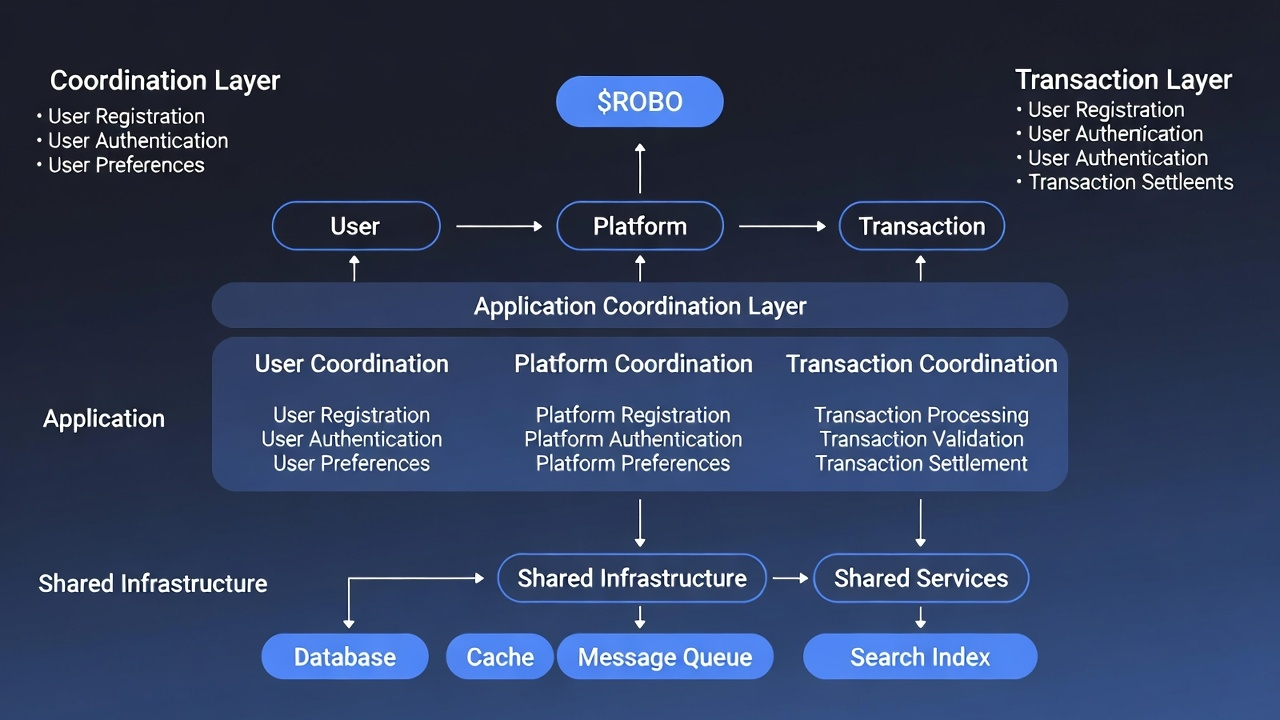
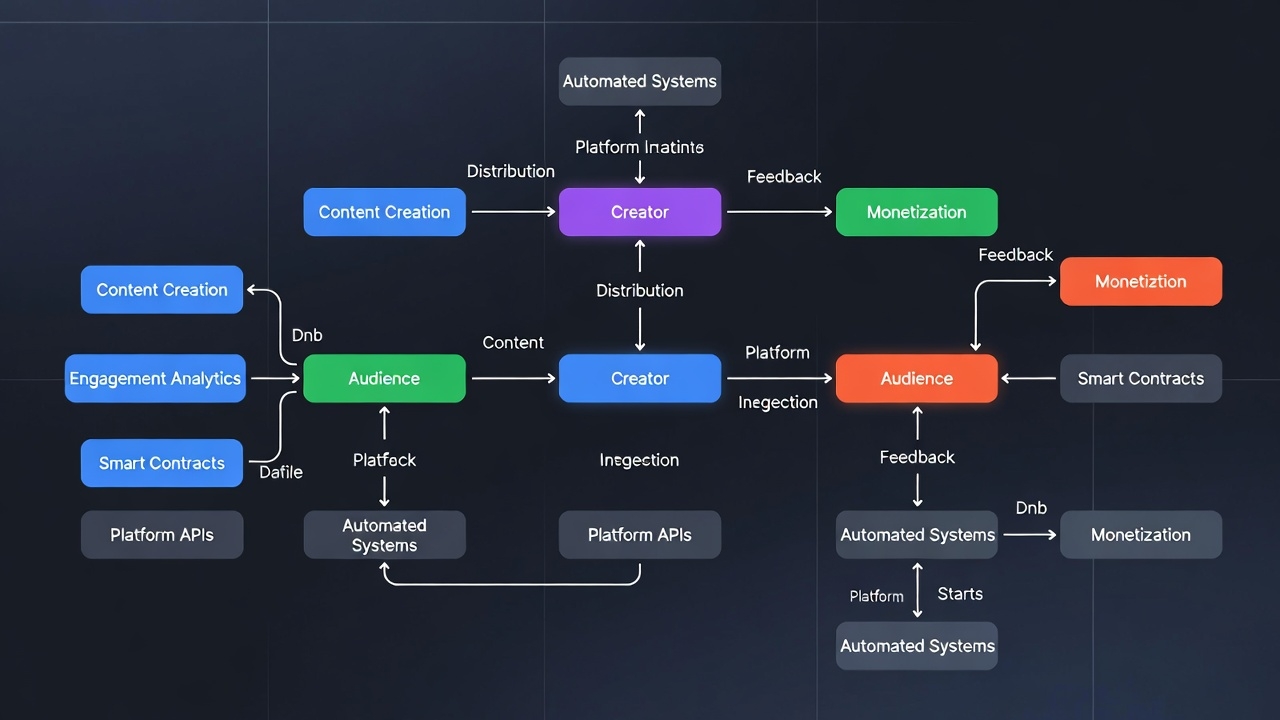
The bottleneck has rarely been the tech itself. Coordination, governance, and siloed data are far more difficult to solve. SocialFi is complex. Users interact across multiple platforms, content flows unpredictably, and rewards, engagement metrics, and reputation data are often locked behind private systems. Platforms rarely communicate seamlessly with each other.
Fragmentation matters because it undercuts trust. How do you verify contributions, track rewards, or ensure fair governance when each ecosystem has its own rules? Transparency exists only within each silo. True accountability is elusive.
ROBO, through Fabric Foundation, aims to address this with a shared infrastructure. Instead of layering incentives on disconnected systems, it proposes a coordination layer , a way to record contributions, interactions, and rewards in a neutral, verifiable manner. Think of it as agent-native infrastructure where human actions, automated algorithms, and tokenized incentives coexist with shared verification.
Blockchain fits selectively here. It can provide a single source of truth, verifiable records, and neutrality across platforms. It doesn’t magically fix user behavior, but it can help systems coordinate without relying on one company’s data.
Real-world implications include better transparency of engagement, clearer accountability for rewards, and verifiable contribution histories. These features can reduce disputes and make SocialFi networks more robust.
Challenges remain. Adoption depends on creators and platforms buying in. Latency, regulatory scrutiny, and resistance from entrenched networks could slow progress. Metrics can be gamed; participants might optimize for appearance rather than meaningful contribution.
Still, $ROBO ’s approach is worth attention. By focusing on shared infrastructure rather than hype, it asks a critical question: how can SocialFi systems operate transparently and fairly when human and algorithmic activity is interwoven across multiple platforms?
The outcome is uncertain, but exploring these mechanisms could shape how decentralized social finance evolves , and that makes $ROBO an experiment worth watching. #robo #ROBO @Fabric Foundation