
#MarketPullback #TrendingTopic #Binance
The Geopolitics of Energy and Conflict: Oil Reserves and Wartime Economics
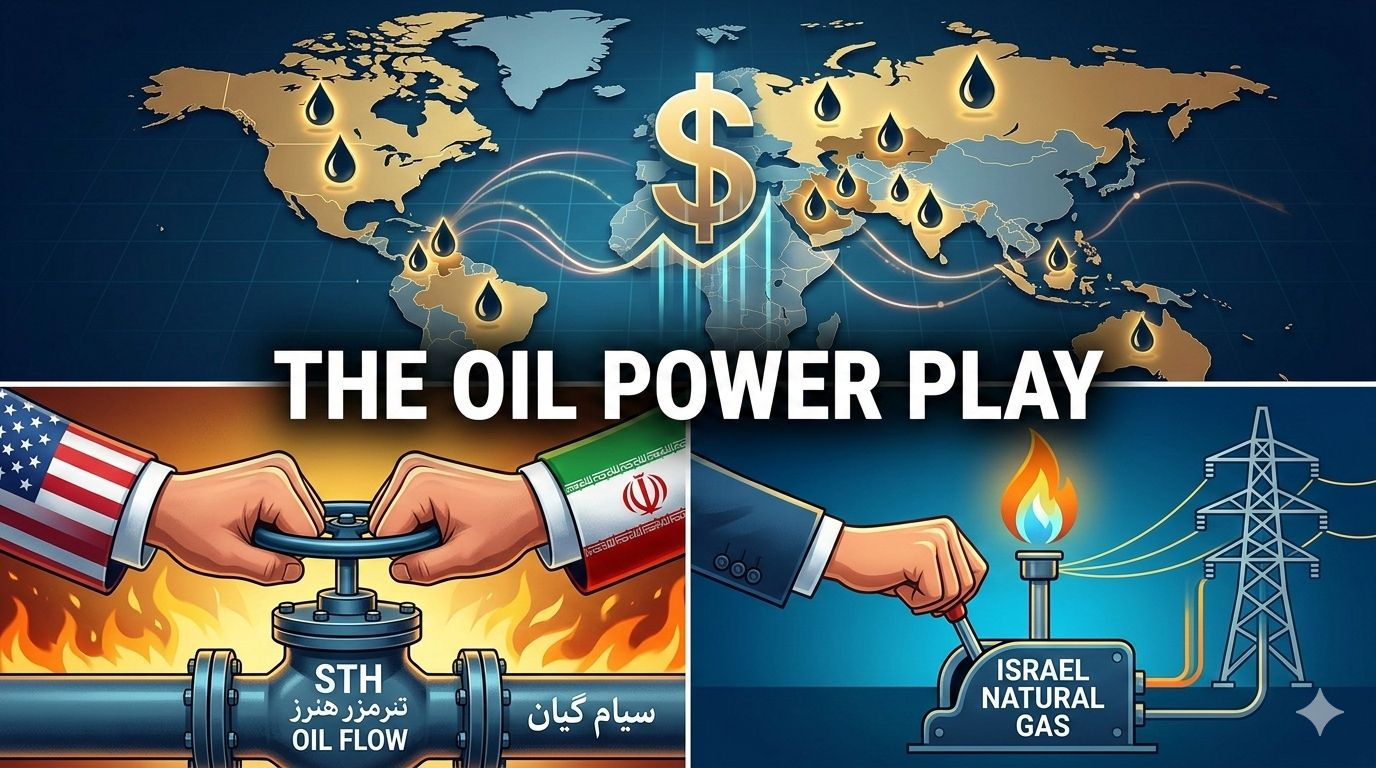
Understanding the modern geopolitical landscape requires examining the primary drivers of economic power and the unsettling realities of how conflict reshapes global markets. Two critical, albeit complex, facets of this discussion are the distribution of global oil reserves and the economic dynamics that emerge during significant geopolitical instability, such as a major war. This article provides a fact-based overview of the countries holding the largest oil reserves and a theoretical analysis of which economic sectors typically experience growth during periods of large-scale conflict.
Part 1: Mapping the World’s Proven Oil Reserves
Oil remains a cornerstone of the global economy, influencing transportation, manufacturing, and international relations. "Proven reserves" refer to the estimated quantities of oil that geological and engineering data demonstrate with reasonable certainty to be recoverable in future years from known reservoirs under existing economic and operating conditions.
As of [Insert Year - e.g., 2023], the distribution of these reserves is heavily concentrated in a few key nations. Here are the countries with the largest proven oil reserves:
1. Venezuela
Venezuela consistently ranks as holding the world's largest proven oil reserves, largely located in the Orinoco Belt. However, much of this oil is extra-heavy crude, which is more difficult and expensive to extract and refine compared to lighter conventional oil. Political and economic challenges have often impacted Venezuela’s ability to fully utilize this massive resource.
2. Saudi Arabia
For decades, Saudi Arabia was the undisputed leader in oil reserves and remains the most influential member of OPEC (Organization of the Petroleum Exporting Countries). Its reserves are primarily conventional oil, which is relatively inexpensive to extract. This allows Saudi Arabia to maintain a critical role as a swing producer, capable of adjusting output to influence global prices.
3. Iran
Iran possesses substantial proven oil reserves, making it a major energy power in the Middle East. However, international sanctions related to its nuclear program have frequently restricted Iran's ability to export its oil and develop its energy infrastructure, impacting its overall economic output.
4. Canada
Canada ranks very high due to the vast oil sands deposits in Alberta. Similar to Venezuela's extra-heavy crude, extracting oil from Canadian oil sands is an energy-intensive and technologically complex process. Despite this, technology advancements have made these reserves increasingly viable, solidifying Canada's position as a key global energy supplier.
5. Iraq
Iraq holds significant reserves of conventional oil, with many fields still requiring further development. The nation’s energy sector has been heavily impacted by decades of conflict and instability, yet it remains central to Iraq's economic reconstruction and future growth.
(Note: Other nations with very substantial reserves include Kuwait, the United Arab Emirates, Russia, and Libya. The United States is also a top global producer, but its proven reserve figures fluctuate more significantly due to the nature of shale oil development, which relies heavily on current prices and extraction technology.)
Part 2: Analyzing Economics in a Theoretical World War Scenario
The concept of a "World War" implies a global conflict involving the majority of the world's great powers, a scenario that would causes catastrophic human and societal cost. While analyzing profit in this context can be unsettling, it is an established part of understanding economic history and geopolitical strategy.
A major conflict fundamentally shifts a nation's economy. Governments prioritize military needs above all else, redirecting resources and capital. This drastic reorganization creates specific economic dynamics where certain sectors experience intense demand.
1. The Defense and Aerospace Industry
The most direct beneficiary of military conflict is the defense industry. This sector includes companies that manufacture weapons, ammunition, military vehicles, aircraft, naval vessels, and advanced electronics. During a large-scale war, governments drastically increase defense spending, leading to massive contracts for these corporations. The need for rapid production, technological superiority, and replenishment of equipment drives significant revenue and potential profit for defense contractors.
2. Resource and Commodity Suppliers
War increases the consumption of raw materials. Key resources like steel, aluminum, copper (for wiring and ammunition), titanium (for aerospace), and various chemicals are essential for manufacturing military hardware. Nations or corporations that control and supply these materials see increased demand and, often, significantly higher prices due to scarcity and the urgency of needs.
Energy resources, particularly oil and natural gas, become strategic priorities. If major energy producers are involved or trade routes are disrupted, the resulting scarcity can lead to dramatic price spikes, potentially benefiting energy-exporting countries that remain stable or corporations able to maintain production.
3. Shipping and Logistics
A global conflict requires the movement of massive amounts of personnel, equipment, fuel, and supplies. Companies specializing in global logistics, maritime shipping, and air freight are crucial for maintaining military supply lines and supporting war-time production. However, this sector faces immense risks from commerce raiding and blockades.
4. The Pharmaceutical and Medical Sector
Modern warfare results in significant casualties, both military and civilian. This leads to a surge in demand for medical supplies, pharmaceuticals, surgical equipment, and specialized medical technologies. Companies that can produce and distribute these essentials are critical to the war effort and see increased output.
5. Neutral Nations and Safe Havens
Nations that manage to maintain neutrality during a widespread conflict can sometimes experience economic benefits, albeit in a precarious position. They may serve as alternative manufacturing hubs, providers of agricultural goods, or financial safe havens for capital fleeing war zones. However, this depends on their ability to avoid entanglement and navigate disrupted global trade.
Conclusion
The distribution of global oil reserves highlights a fundamental aspect of geopolitical power, where energy security influences international relations and economic stability. Conversely, the analysis of wartime economics reveals how the catastrophic event of a global conflict dramatically reshapes economic priorities. While it identifies sectors that experience intense demand, this analysis must be situated within the context of the overwhelming societal, human, and long-term economic destruction that global war inevitably brings. Understanding these dynamics provides insight into the complex forces that shape our world, reinforcing the critical importance of stability and th$BTC e peaceful resolution of international conflicts.$XRP

