
I remember when robots were in movies. Now they are everywhere. They pack boxes in warehouses help out in hospitals and even bring food to peoples doors. This is happening fast and it is really amazing.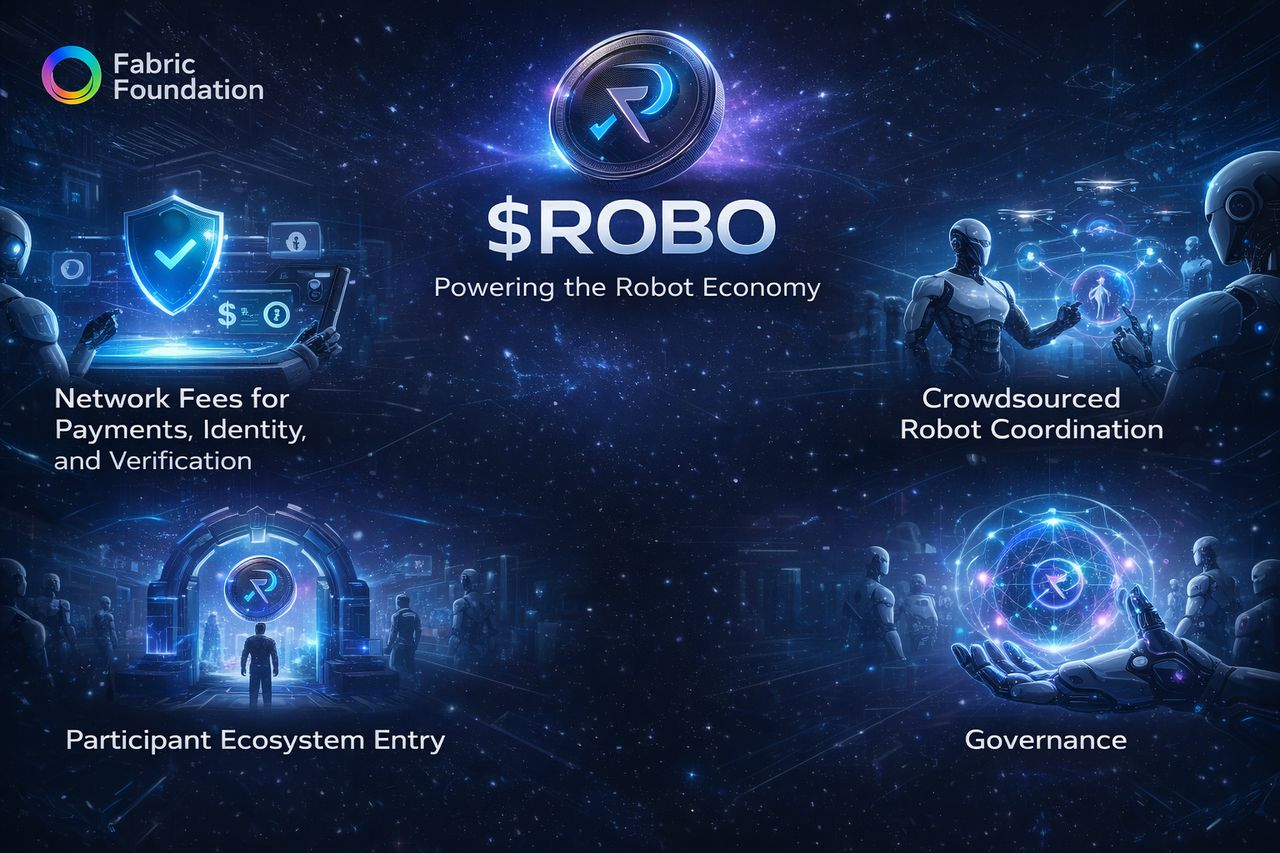
That is what got me interested in the Fabric Foundation. Most companies that make robots are trying to build smarter machines.. That is cool.. The Fabric Foundation is asking a different kind of question. They are thinking about how robots fit into our world. Not as tools but as part of the same systems we use every day. Things like trust and being responsible for what you do.
What I like about the Fabric Foundation is not the technology. It is the way they think. Of treating robots like they are owned by one company they are thinking about something bigger. They see a future where machines can talk to each other and to people under rules that're clear and fair. Where you can actually check what a robot did. Why it did it.
Think about how most robots work today. They are controlled by a system usually run by the company that owns them. Every move they make comes from someone in charge. That is fine when things are simple.. As robots get smarter and start working with each other. Sometimes from different companies. That system starts to have problems. Who is in charge when something goes wrong? How do you know the robot followed the rules? Who gets to decide how it behaves?
These are not just questions about technology. They are questions about people.
The Fabric Protocol: Giving Machines an Identity
What is the Fabric Foundation actually doing? They are building the base for a kind of robot system. It is called the Fabric Protocol. It is about giving every machine a special digital identity.
That ID lets machines talk to each other securely and prove they are who they say they are. It also means their actions can be recorded in a way. Not everything has to be public. The right people. Like regulators or service providers. Can check what happened if they need to.
Imagine a robot that delivers things moving through a city. In the way it just talks to its owners servers and gets instructions. In the Fabric way that same robot could do a lot more. It could talk to robots to avoid traffic jams. It could find a place to charge its batteries and pay for the electricity using money.. It could even schedule its own maintenance when something is wrong. All while leaving a record of what it did and why.
That does not mean the robot is doing whatever it wants. It just means its actions are clear and responsible. You do not have to trust the company that made it. You can trust the system.
$ROBO: The Money of the Machine Economy
Now if robots are going to pay for things like electricity or services they need a way to exchange value. That is where the $ROBO token comes in. It is the part of the network.
I was an unsure when I first heard about this. Sometimes cryptocurrency can feel like a gimmick.. The idea here is pretty practical. The token lets machines pay for things like computing power or data access. Developers can use it to build and deploy applications.. People in the community can use it to vote on decisions about how the system should work.
It is not about speculating. It is about creating a shared economy where everyone. Humans, developers, machines. Has a stake. If a robot uses energy it pays. If someone builds a tool they get paid. If you have tokens you get a say. It is like the way human economies work, smaller and automated.. That kind of alignment matters when you are dealing with systems that could one day be everywhere.
Why This Matters Beyond the Technology
The Fabric Foundation is trying to do something for robots. They are building the base that could shape how machines and humans interact for decades.. They are doing it with an eye on the hard questions.
Like, who is responsible when a machine messes up? If a robot that delivers things causes an accident is it the owners fault? The person who made it? The person who programmed it? Now that is not clear. With systems you can figure out what really happened.
How do we make sure robots follow the rules? If a company says their machines are working ethically how do we know? Clear systems mean you do not have to take their word for it. You can check.
Maybe most importantly how do we keep a few big companies from controlling everything? If robots become central to our economy we do not want all that power in a hands. Decentralized systems spread it out. They make it harder for anyone to be in charge of everything.
These are not just problems. They are going to be real and soon. The Foundation is trying to get of them.
What This Could Look Like in Practice
If this kind of thinking catches on the effects could be big. Delivery networks could work together smoothly. Robots in warehouses from companies could work together without needing a central boss. Service robots could plug into systems. Like charging stations or data networks. And just pay as they go.
Out you could have machines talking to each other and making deals. A trucking robot might bid for warehouse space. A drone might book a landing pad. All of it automated, all of it clear, all of it governed by rules everyone agreed to.
Course none of this is easy. The technology challenges are real. Like giving machines identities keeping them secure making it all work together. It takes time for people to adopt things.. Governments are still figuring out how to regulate all of this. Public trust is not automatic. It has to be earned.
That is exactly why experiments, like this matter. They give us a chance to shape the future of just reacting to it.
My Takeaway
At the end of the day the Fabric Foundation is doing something rare. They are thinking about robots not in terms of what they can do but in terms of how they should behave. They are building systems that prioritize being clear being fair and working together.
As robots become more independent the questions they are asking will only get more urgent. Who decides? Who is responsible? Who benefits? Projects that tackle those questions now might just help us build a future where technology works for everyone, not the people who own it.
I do not know if the Fabric Foundations vision will happen exactly as they hope.. I am glad someone is asking the hard questions.
@Fabric Foundation #ROBO $ROBO
