
I have to admit, the first time I heard someone say “robots on the blockchain,” I laughed. I was in my usual evening groove—charts open, Binance threads scrolling, AI discussions buzzing in the background. And then—bam—a mention of a network where robots could operate through blockchain infrastructure.
I paused.
Not because it sounded thrilling. On the contrary. It felt like Web3 once again trying to shoehorn itself into every industry. AI? Sure. Robotics? Why not. On-chain governance for machines? That’s a stretch.
Yet, curiosity has a funny way of dragging you back.
I went back to Fabric Protocol and started reading. Slowly. Not skimming headlines, but trying to grasp the problem it aimed to solve.
And then it clicked. This wasn’t “robots on blockchain.” It was about coordination. That’s where things became compelling.
AI has evolved beyond what many imagined. Initially, it was a clever assistant—answering questions, writing emails, generating images. Now, it runs tasks, monitors systems, automates workflows, and sometimes makes decisions independently.
But add robotics into the mix, and the stakes rise.
Machines start interacting with the physical world—warehouses, manufacturing lines, infrastructure, even potentially city services. Autonomy introduces responsibility. And that’s where Fabric steps in.
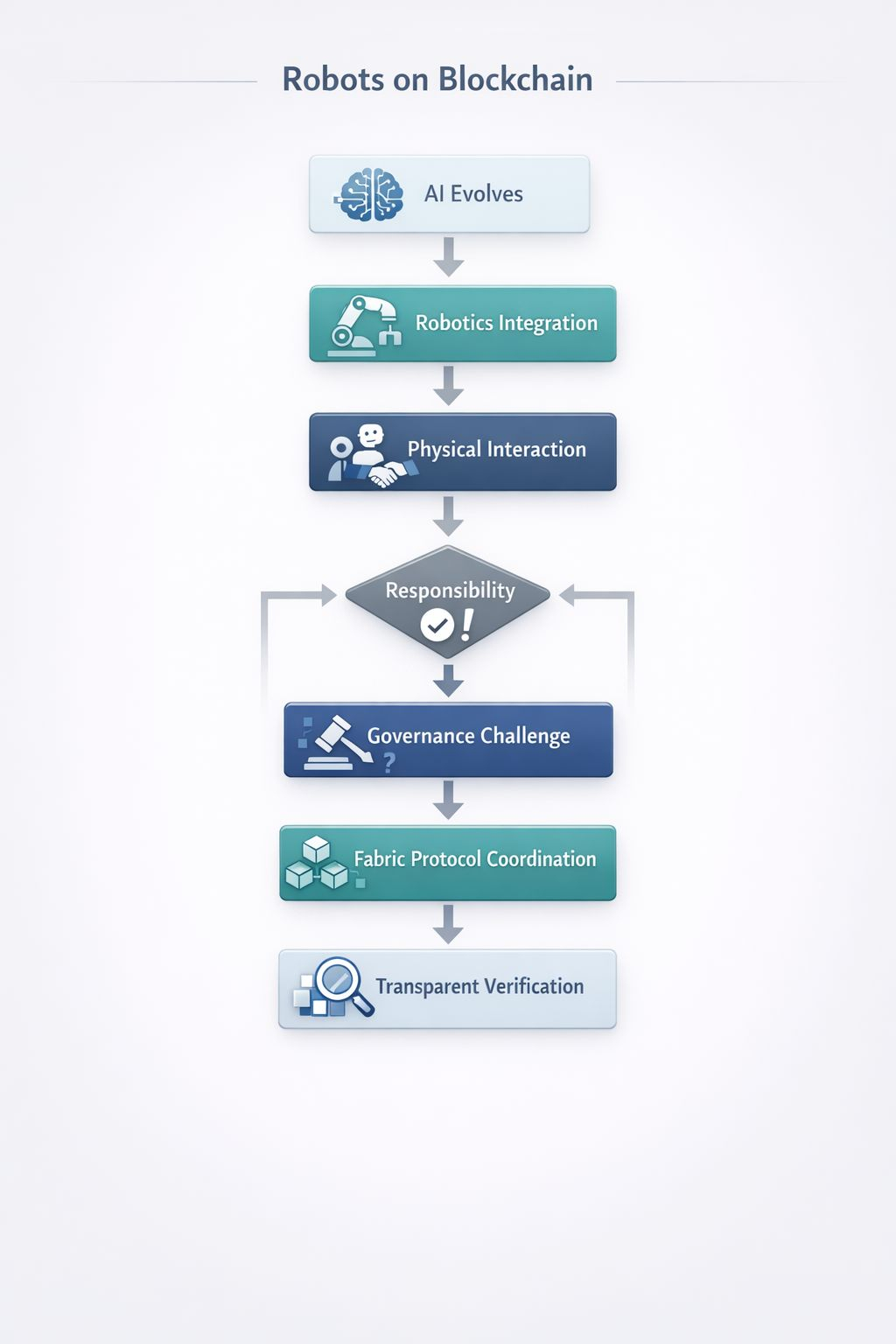
A persistent question ran through my mind while reading: if AI-powered robots become ubiquitous, who governs them? Who sets rules, updates behavior, and ensures compliance? Today, centralized companies hold the reins. Software is private, updates hidden, logic opaque. This works—for now. But shared infrastructure demands trust beyond central control.
Fabric Protocol explores an alternative.
At first, terms like “agent-native infrastructure” and “verifiable computing” sounded heavy. Strip it down: Fabric is an open network coordinating robots through shared infrastructure. Private systems run operations, while a public ledger verifies key data—computations, usage, governance. Don’t trust. Verify.
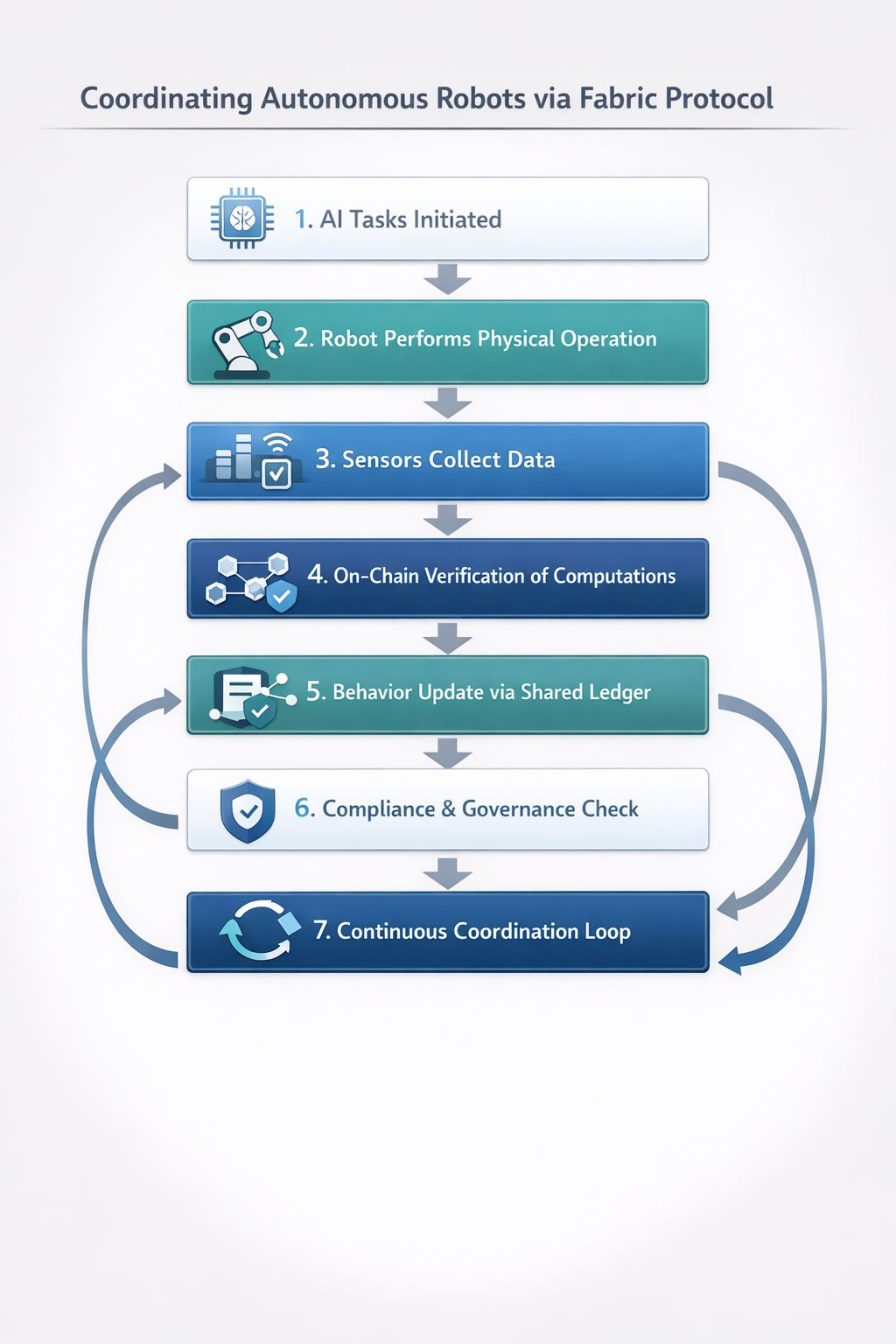
Blockchain is misunderstood. It isn’t just about finance. It’s about coordination. As robots integrate with businesses and communities, coordination is crucial. Who sets the rules? Who ensures compliance? Who tracks outcomes? Fabric acts as a transparent, accountability layer.
Agent-native infrastructure is another key idea. Today, systems are human-centric. Fabric designs networks for autonomous agents. Machines interacting with machines. Machines verifying computations. Machines coordinating via shared ledgers.
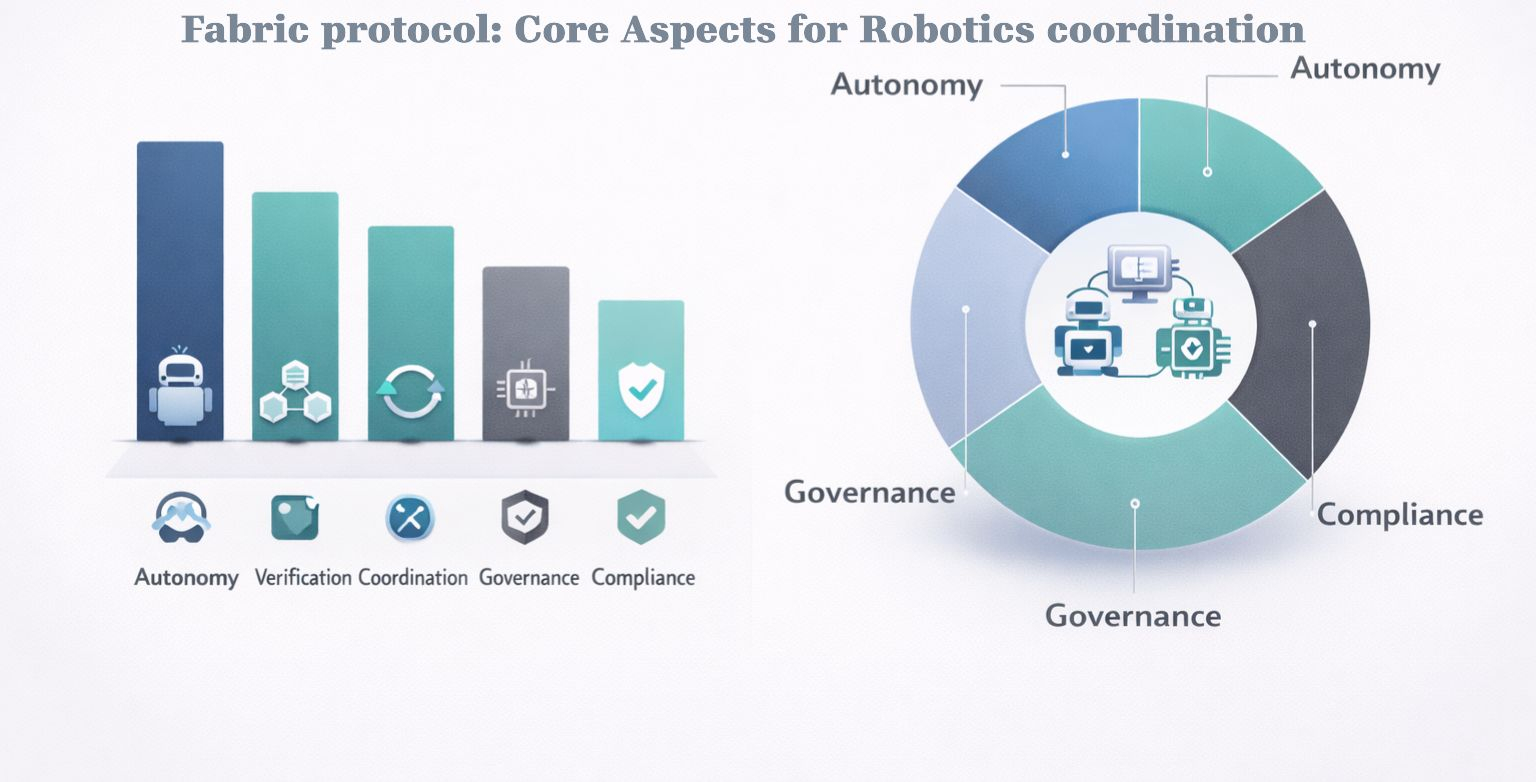
Real-world implementation isn’t simple—hardware fails, sensors break, connections drop, regulations evolve. Fabric separates real-time operations from on-chain coordination. Robots remain efficient while blockchain ensures governance. Hybrid systems are complex, introducing security and reliability challenges.
Decentralized governance is tricky too. DAOs have taught us participation can falter, votes can be skewed. Fabric’s challenge will be meaningful involvement in robotic oversight.
Even so, the concept is bold. Autonomous AI, advanced robotics, real-world integration—it’s clear the systems coordinating these machines will matter. Fabric asks: what if coordination was open, not closed? Ambitious? Certainly. Uncomfortable? Perhaps. But the most fascinating innovations often start there.
There are open questions: Can blockchain scale for robotic ecosystems? How will regulators react? Can hybrid systems stay secure?
Yet the core idea—transparent, accountable coordination for intelligent machines—is compelling enough to watch closely. Because if robots become part of everyday infrastructure, the systems governing them may become as important as the machines themselves.