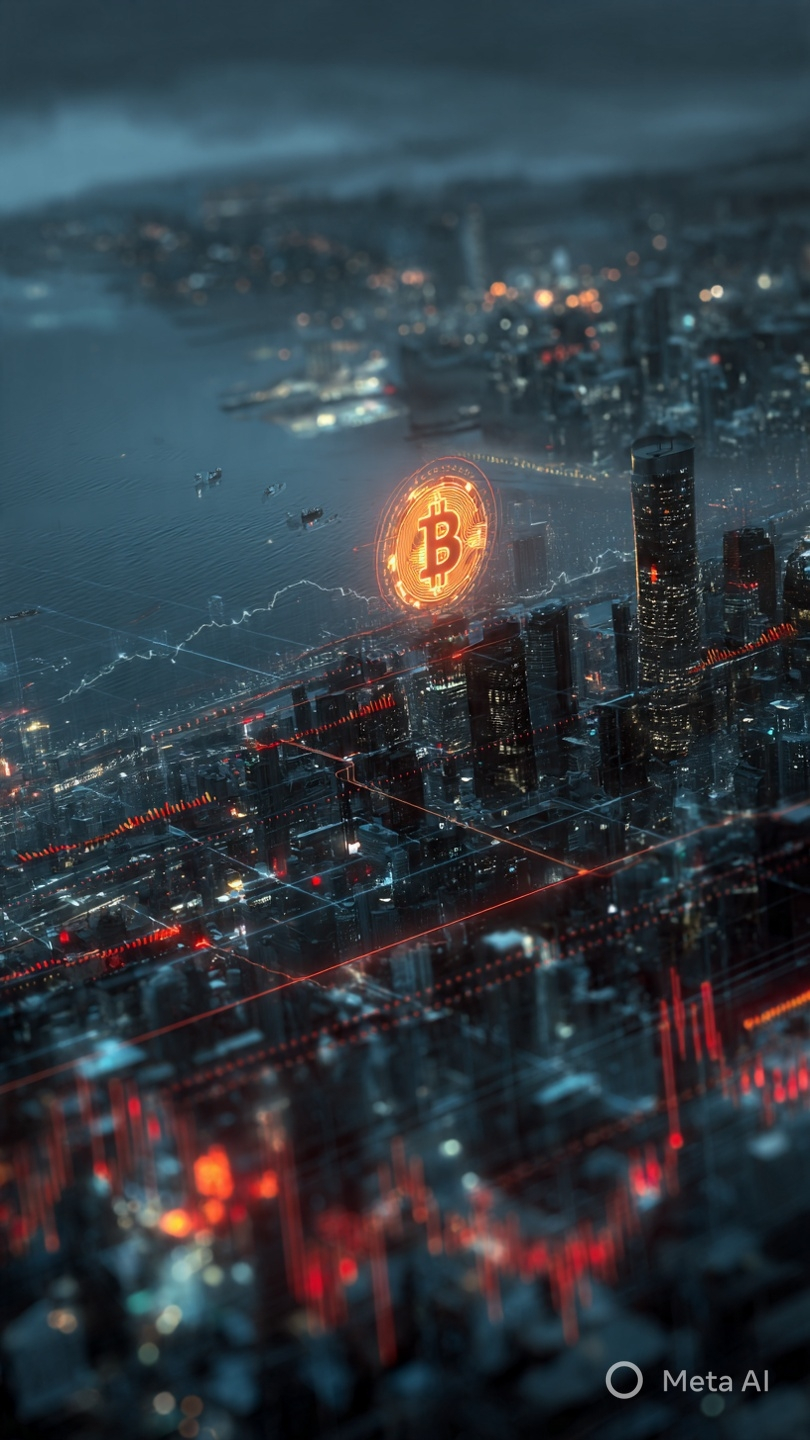
Geopolitical conflicts have always had a strong impact on financial markets. Traditional assets such as stocks, commodities, and currencies usually experience volatility during times of war. In recent years, however, another asset class has entered the conversation: cryptocurrencies.
As global tensions rise in different regions, many investors are closely watching how digital assets react. The crypto market often behaves differently from traditional markets, and in some cases, it becomes a tool for financial resilience during crises.
Why War Impacts Financial Markets
War creates uncertainty. Governments increase spending, trade routes may be disrupted, and national currencies can weaken due to economic pressure. Investors typically respond by moving their capital into assets they believe can preserve value.
Historically, assets like gold have been considered “safe havens.” Today, many analysts argue that cryptocurrencies—especially Bitcoin—are starting to play a similar role in certain situations.
$BTC as a Borderless Asset
One of the biggest advantages of cryptocurrencies during wartime is their borderless nature. Traditional banking systems can be disrupted by sanctions, capital controls, or infrastructure damage. Cryptocurrencies, on the other hand, operate on decentralized networks that remain accessible anywhere with an internet connection.
Increased Adoption in Crisis Zones
Recent conflicts have shown real-world examples of crypto adoption during emergencies. In some war-affected regions, individuals and organizations have used cryptocurrencies for:
Cross-border donations.
Preserving savings when banks are closed.
Sending funds to displaced families.
Supporting humanitarian initiatives.
Market Volatility During Geopolitical Tension
Despite these benefits, war also brings significant volatility to the crypto market.
When geopolitical tensions escalate, investors often reduce exposure to riskier assets. This can lead to short-term sell-offs in cryptocurrencies. At the same time, increased global uncertainty sometimes drives demand for decentralized assets, creating sudden price swings.
Government Regulations and Sanctions
Another important factor is regulation. During conflicts, governments may increase scrutiny of financial transactions, including crypto activity. Sanctions, compliance requirements, and regulatory announcements can all influence market sentiment.
The Long-Term Perspective
While wars create short-term turbulence in financial markets, they also highlight the value of decentralized financial systems. Cryptocurrencies were originally designed to operate independently of central authorities, which can make them more resilient in times of political or economic disruption.
Over time, global crises have often accelerated innovation and adoption in financial technology. The same trend may continue in the crypto space as blockchain infrastructure evolves.
Final Thoughts
War and geopolitical instability are unfortunate realities that affect economies worldwide. During these periods, the crypto market often becomes a focal point for discussions about financial freedom, decentralization, and global access to money.
Although volatility remains high, the role of cryptocurrencies in crisis situations continues to grow. For investors and observers alike, understanding how digital assets behave during geopolitical events is becoming an essential part of navigating the modern financial landscape.
#CryptoMarket #Bitcoin #CryptoNews #Blockchain #DigitalAssets