
Innovation Usually Has an Address
Most major AI breakthroughs arrive from places that have a physical address. A campus. A research building. Sometimes an entire valley of technology companies. When people talk about progress in robotics or machine learning, the conversation almost automatically points toward a few well-known labs with enormous budgets and tightly organized teams.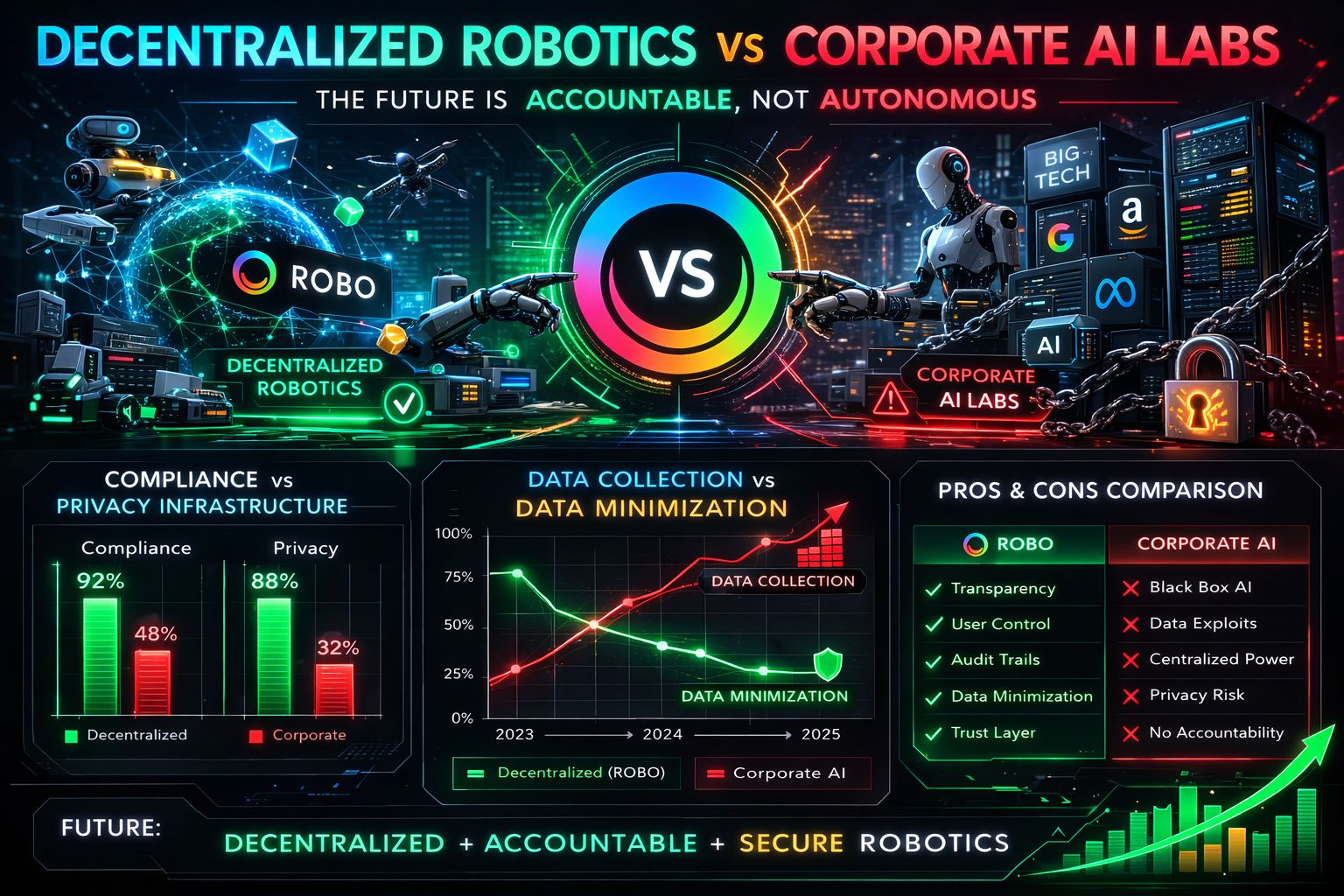
For a long time that arrangement made sense. Complex technology requires resources, coordination, and patience. Centralized institutions are good at providing those things. But lately I keep noticing a quiet tension in that model. The technology is spreading everywhere, yet the control over how it develops still sits in relatively few places.
Fabric enters the conversation from a very different angle. Instead of building robots inside a single corporate structure, the project explores whether robotics development could grow through an open network. That sounds like a small conceptual shift. It really isn’t.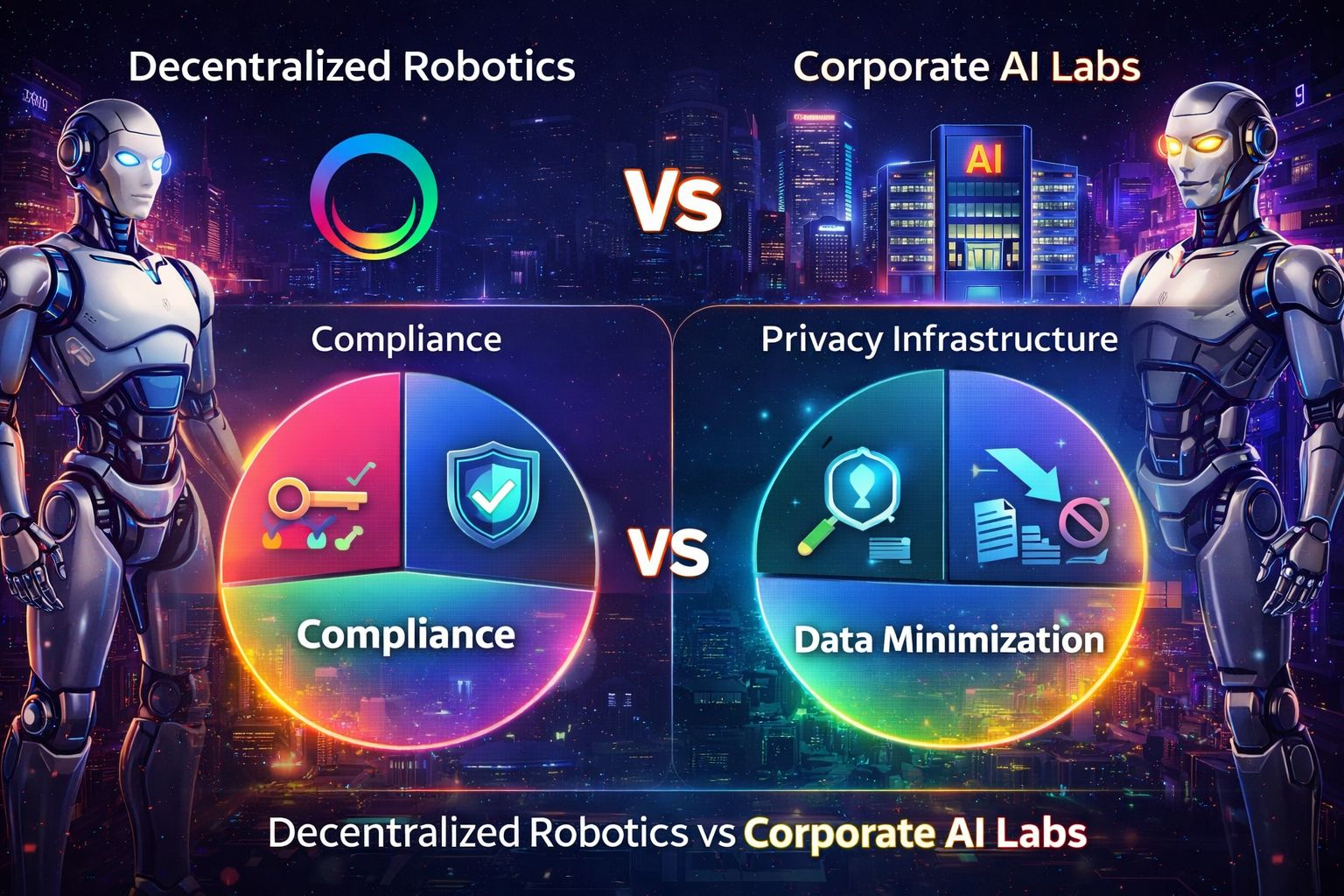
The Shape of Centralized Research:
Corporate AI labs run like carefully tuned machines. Researchers, engineers, funding, computing infrastructure – all organized under one roof. When a team needs new hardware or more training data, someone approves the request and the process continues.
This structure can move quickly. Decisions travel through short chains. If leadership wants to push into a new direction, the entire organization pivots together.
The tradeoff is subtle but important. Almost everything that comes out of these labs becomes proprietary. The company owns the models, the hardware designs, the datasets. Even when research papers appear publicly, the deeper infrastructure often stays locked inside the organization.
So innovation happens, but it accumulates privately.
The Idea Behind an Open Robotics Network:
Fabric imagines something closer to a shared coordination layer for robotics development. Instead of one company directing everything, multiple participants interact through the same protocol.
Developers build components. Operators connect machines. Validators verify activity across the system. The network records interactions so different contributors can trust what happened without relying on a central authority.
That description can sound a bit technical, but the underlying motivation is simpler. If software development became more collaborative through open protocols, maybe robotics could follow a similar path.
The ROBO token sits inside that structure mainly as an economic mechanism. It helps coordinate participation through staking, governance, and network usage fees. At least in theory.
Money Moves Differently in These Systems:
Corporate research labs allocate capital through strategy. Leadership decides where the company wants to compete, and budgets follow those priorities. Some areas receive massive funding. Others disappear quietly if they don’t align with the broader business.
A decentralized network distributes resources in a more organic way. People build tools, run infrastructure, or connect machines, and the system rewards useful contributions.
That freedom can unlock unexpected experimentation. Someone working independently might develop a robotics module that never would have passed a corporate approval process.
Of course the flip side exists as well. Without centralized direction, resources sometimes scatter across too many ideas at once.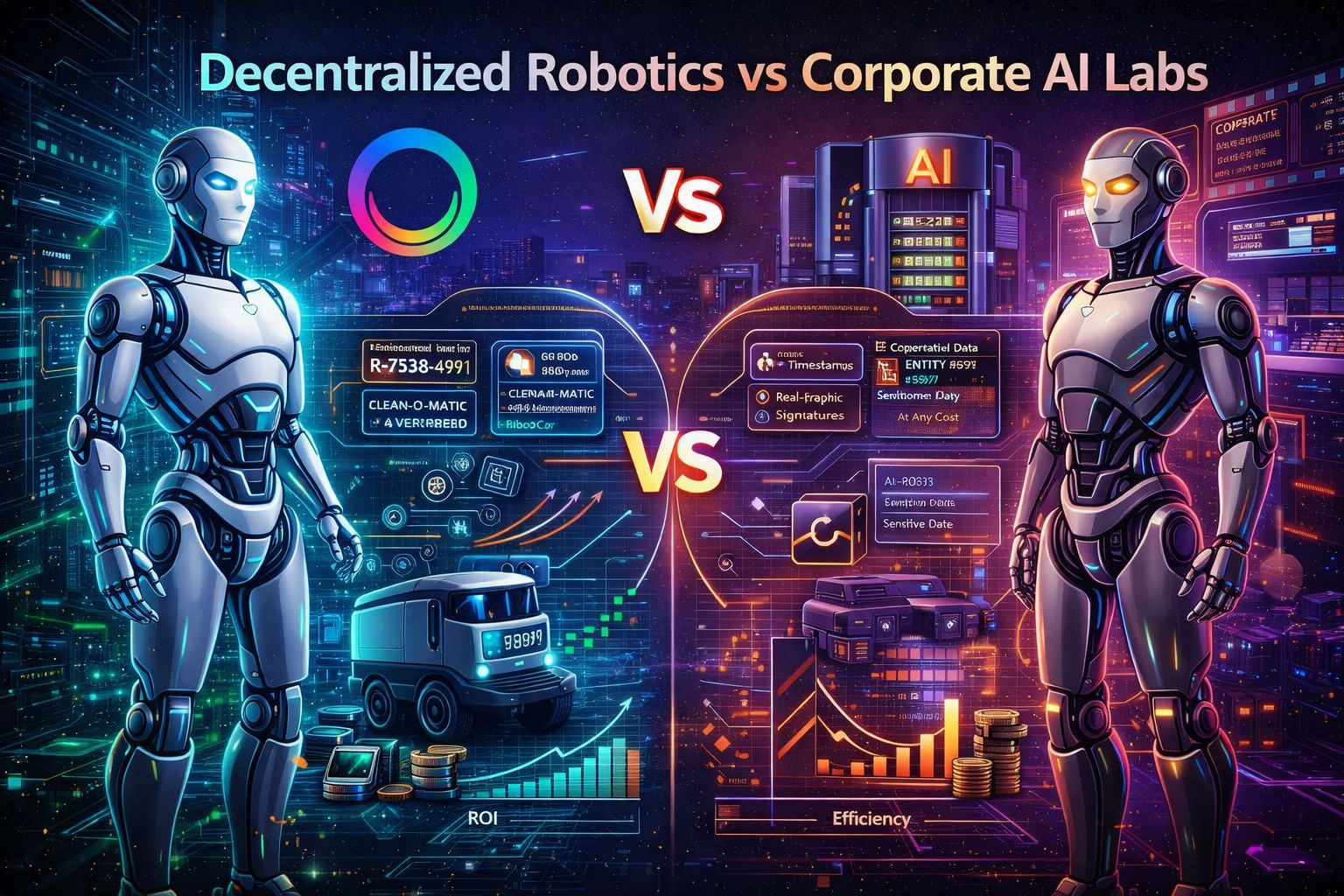 Incentives Begin to Spread Out:
Another shift appears when you look at who benefits from success.
Inside corporate labs, innovation mainly strengthens the company itself. Employees are paid for their work, investors capture the long-term upside, and the technology reinforces the company’s competitive position.
A decentralized robotics network diffuses those incentives across the ecosystem. Builders, operators, validators – different participants receive rewards as the network grows.
The texture of that environment feels different. Ownership becomes distributed rather than concentrated. That doesn’t automatically guarantee better innovation, but it does create a broader base of people invested in the system’s progress.
Coordination Is Harder Than It Sounds:
There is a practical issue that shows up whenever systems become decentralized. Coordination.
In a corporate lab, teams share communication channels, management structures, and common goals. Projects can align quickly because leadership ultimately decides the direction.
Open networks rarely move that way. Contributors appear from different parts of the world with different motivations. Decisions about upgrades or governance require discussion, voting, and sometimes disagreement.
Progress still happens. It just moves with a different rhythm. Sometimes slower, occasionally unpredictable.
The Risk of Slower Iteration:
Robotics adds another layer of complexity that people often underestimate. Machines operate in the physical world, and physical experimentation takes time.
Corporate labs solve this by building massive testing environments and tightly integrated engineering teams. A decentralized ecosystem must rely on distributed participants running hardware in different contexts.
Fabric’s model might create a broader foundation for robotics collaboration. But the pace of development could feel uneven compared with centralized labs that control every variable.
Still, there is an interesting possibility hidden underneath that tradeoff. If enough contributors begin experimenting through the same network, innovation may start appearing in places that traditional research systems rarely look.
Whether that happens consistently remains to be seen. But the direction itself suggests something worth watching.
@Fabric Foundation $ROBO #ROBO