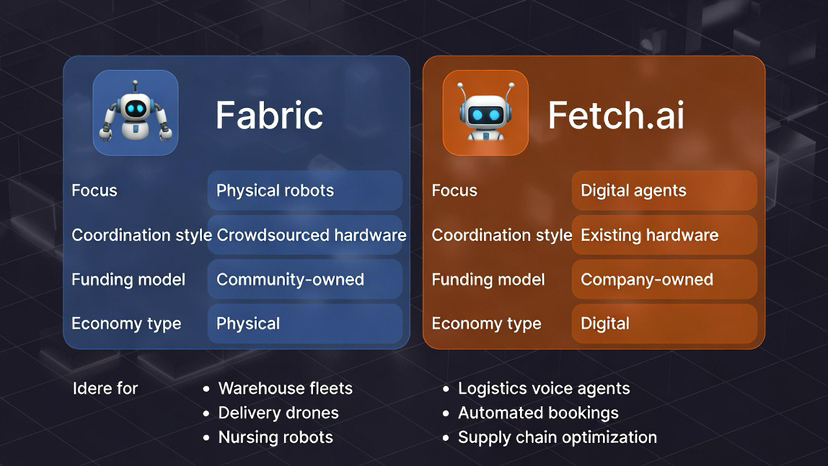
Fabric is a decentralized protocol built for the future of robotics. It creates an open network where robots work together without a central boss. Think of it as a blockchain powered system that lets robots have their own identities, make payments, and coordinate tasks. The goal? To build a “Robot Economy” where anyone can own, operate, or benefit from robot fleets.
Fabric uses blockchain tech to make robots autonomous economic players. Robots get on chain IDs, wallets, and tools to verify their work. This breaks down silos between different robot makers.
Genesis and Activation: How It All Starts
“Genesis” means the birth or creation of robot fleets in the Fabric network. Instead of one big company buying hundreds of robots, Fabric uses crowdsourcing.
People from around the world pool resources (like tokens) to fund robot hardware. This is called “Crowdsourced Robot Coordination” or “Robot Genesis.”
Users stake or deposit tokens (like ROBO) into coordination pools. These pools collect funds to buy, deploy, and activate robot fleets. Once activated, the fleet starts real world tasks like delivery, warehouse work, or monitoring.
This decentralized approach makes robot deployment open to everyone not just big corporations.
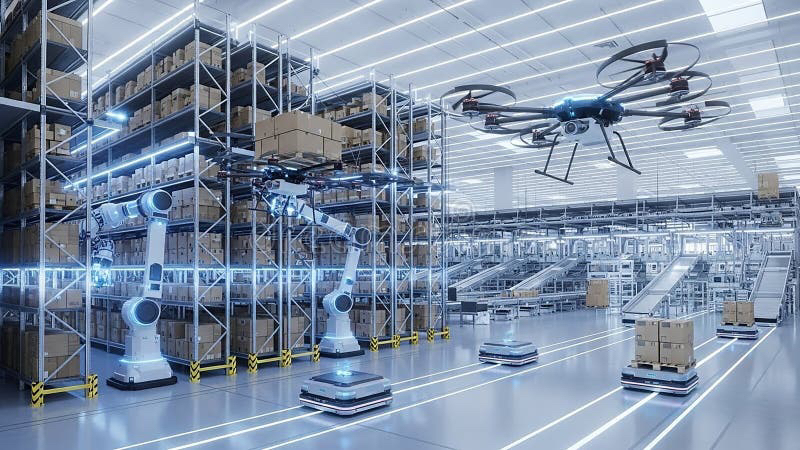
Traditional robot fleets are closed. One company owns everything — hardware, software, profits. Fabric flips this.
Crowdsourcing spreads funding.
More people join to deploy robots.
Contributors earn from robot labor.
Blockchain verifies tasks (via Proof of Robotic Work).
Robots become part of a global, open market. They handle verifiable physical jobs and get paid automatically.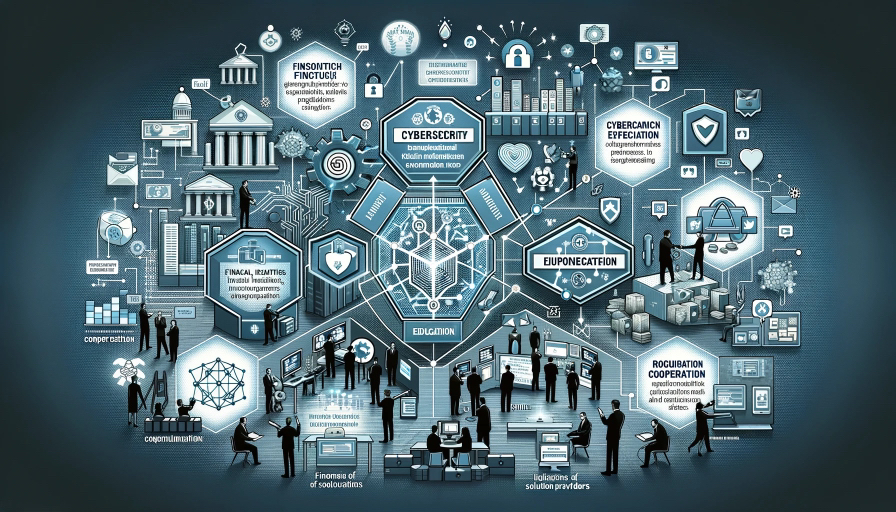
How Crowdsourced Hardware Works in Fabric
Crowdsourcing means many people contribute small amounts to make something big happen. In Fabric:
Community members deposit stable coins or ROBO tokens.
Funds go to buy robots from makers (like UBTech or Fourier).
Robots get deployed in real locations.
The community helps operate them handling charging, routing, maintenance.
Everyone shares rewards from the robots work.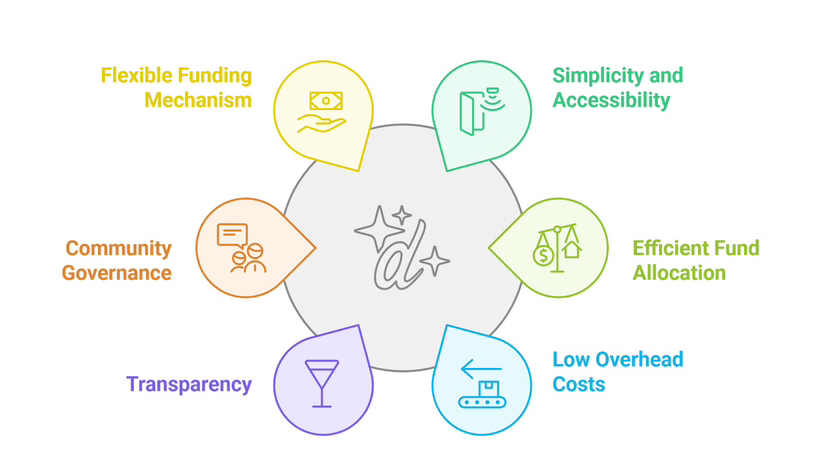
This creates decentralized fleets. Robots from different brands can team up. They share skills via “Skill Chips” and settle payments on-chain.
No single company controls the fleet. Governance happens through token holders voting on rules.
Real-World Impact
Imagine delivery drones or warehouse bots owned by thousands of people. Communities in cities fund local fleets. Robots handle boring or dangerous jobs. Humans oversee and earn from them.
Fabric uses tools like OM1 (a universal robot OS) to make different robots talk the same language. This speeds up innovation.
Challenges and Future
It’s early days. Robotics is complex hardware costs, real world testing, regulations. But Fabric’s model solves key issues: funding, trust, and coordination.
As more robots join, the network grows stronger. ROBO token helps govern and incentivize.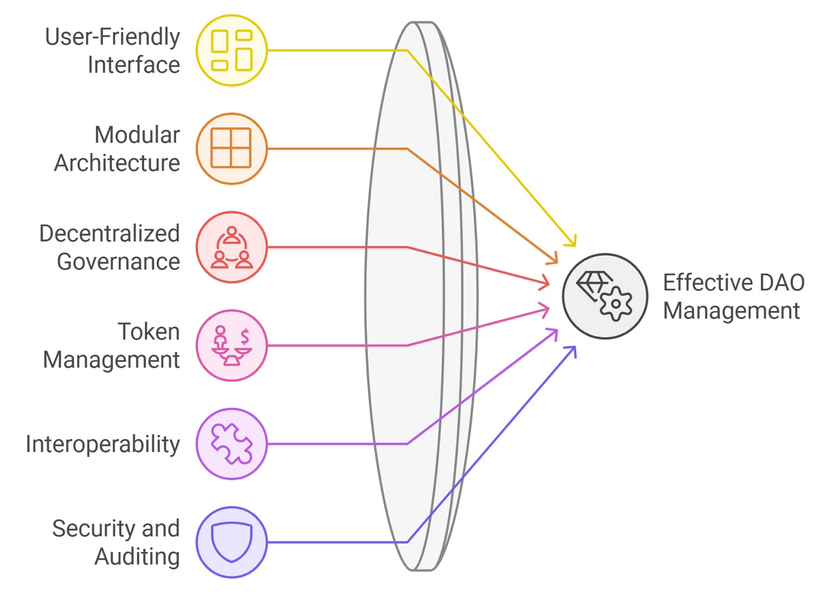
Conclusion
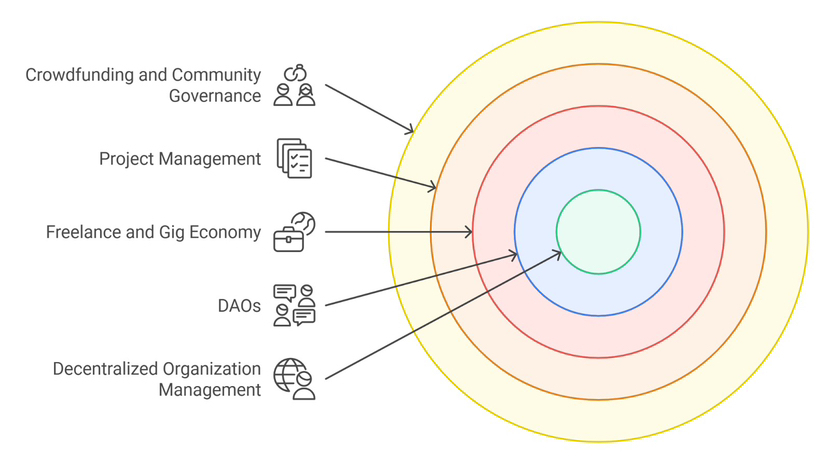
Fabric turns robot fleets from company assets into community power. Through genesis and activation via crowdsourced hardware, it builds a decentralized future. Anyone can help create, run, and profit from robots. The Robot Economy is here open, fair, and growing fast.