
Look we are not talking sci fi anymore this stuff is happening right now. Robots are not just clunky assembly line arms they are getting smarter cheaper and ready to step into the real world as actual workers. The robot economy is emerging fast where machines do not just follow orders they earn spend and pay bills like charging stations or repairs and even team up on jobs. And honestly if we do not build the right rails for this it will end up controlled by a handful of big tech giants. That is where Fabric Foundation comes in and I think they are nailing it with their bold mission to own the robot economy.
Fabric is not trying to manufacture the next humanoid robot. They are building the invisible but crucial infrastructure. This includes decentralized identity so robots can prove who they are with no fake IDs for machines. It also includes on chain wallets so they can handle crypto payments autonomously and coordination layers so tasks get matched verified and paid for without a central boss taking a huge cut. The system is open and permissionless and designed so anyone developers operators and communities can join and contribute. Their non profit status keeps the focus on long term public good rather than short term hype.
At the center of everything is ROBO the utility and governance token that acts as the lifeblood of the network. ROBO handles settlement for every robot service payment network fees and identity verification. Robots need this because they cannot open traditional bank accounts or carry passports. Fabric gives them web3 native tools so a robot can finish a task get paid in ROBO use some of it to pay for electricity or cloud computing and continue operating independently. Staking ROBO allows holders to vote on governance topics such as fee structures safety policies and network upgrades which helps ensure the network evolves in ways that benefit humans first. A portion of protocol revenue is also used to buy back ROBO on the open market which creates real demand as robot activity increases.
Fabric initially launched on Base for speed and scalability. The long term plan is to evolve into its own Layer 1 blockchain once the ecosystem grows. This would allow the network to capture more economic value created by robotic labor directly within the ecosystem. Deflationary mechanics and staking incentives are built into the system which means the token is designed to grow alongside real usage rather than speculation.
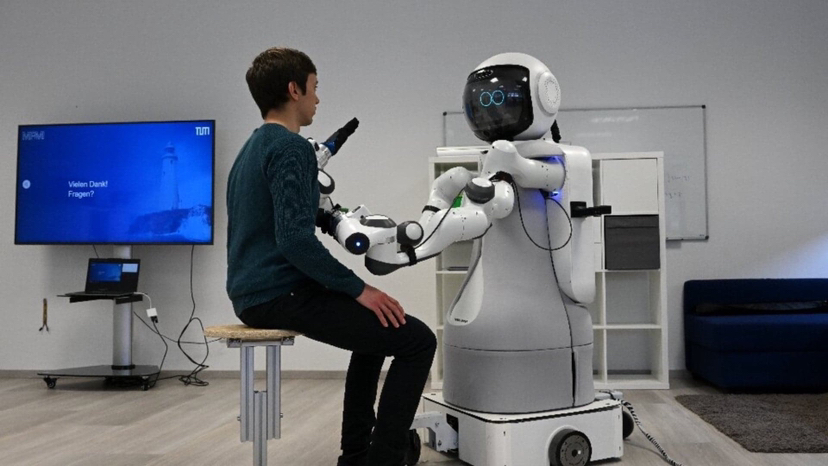
Building the Infrastructure for Autonomous Machines The Vision of ROBO
This is where the concept becomes truly exciting. Fabric’s vision is not about isolated robot systems. Instead it focuses on creating a shared open marketplace where robots become real economic participants.
Imagine posting a job request such as cleaning a warehouse overnight or assisting with patient rounds in a hospital. Robots or robot fleet operators can accept the job through the network complete the work using verifiable Proof of Robotic Work and receive instant settlement in ROBO without middlemen delays or disputes.
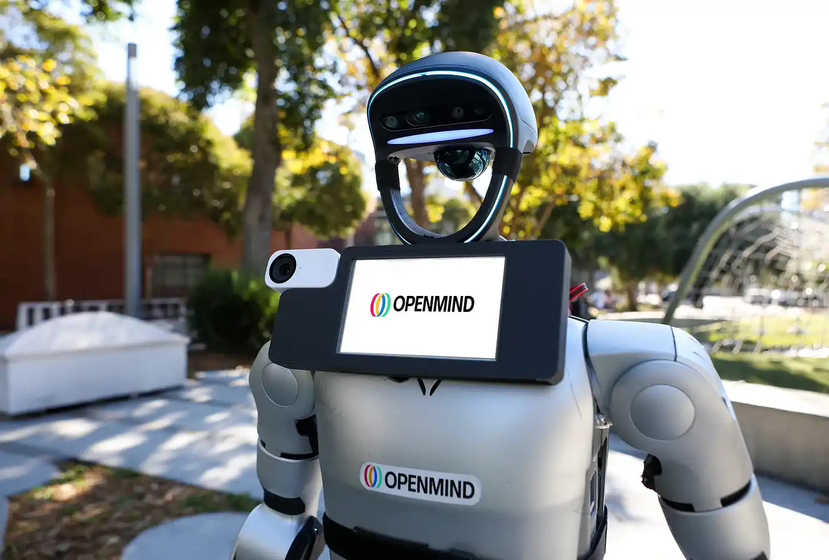
This infrastructure unlocks enormous potential. Hardware technology is improving with cheaper actuators stronger batteries and better sensors. AI intelligence is also advancing rapidly with collaborators such as OpenMind developing universal operating systems like OM1. However without economic infrastructure robots remain tools owned only by large corporations. Fabric changes that by enabling communities to crowdfund robot fleets through ROBO contributions. These robots can then be deployed in underserved areas such as elderly care for aging populations or disaster recovery environments where help is urgently needed. Over time the robots generate economic value that flows back into the ecosystem.
The openness of the system is especially powerful. Skills and intelligence modules can be shared across different robot manufacturers. This removes the limitations of closed ecosystems where one robot brand cannot communicate with another. Fabric’s coordination layer enables interoperability which transforms fragmented robotics into a connected global workforce.
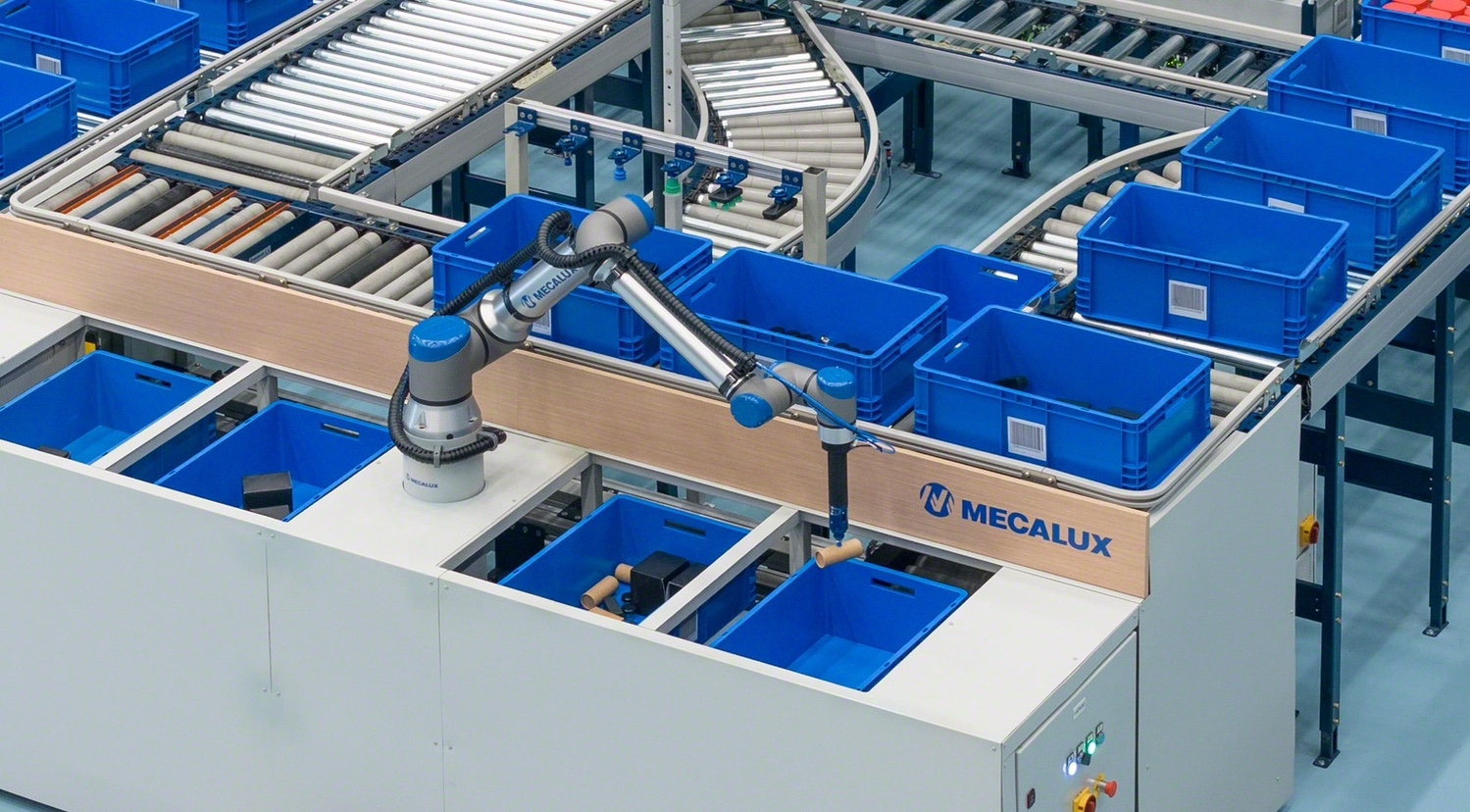
From AI to Autonomous Labor The Emerging Robot Economy
Artificial intelligence has already transformed how we handle information. Now embodied AI is beginning to reshape physical labor. Many industries face severe workforce shortages including nursing education manufacturing and environmental services. These shortages are expected to grow. Robots have the potential to fill these gaps twenty four hours a day without exhaustion but only if they can operate economically on their own.
Consider a real world example in a rapidly growing city like Karachi facing labor shortages. A small fleet of humanoid robots funded partly through community ROBO staking could be deployed in a hospital. These robots could perform routine tasks such as delivering medication monitoring patient vitals and assisting with basic patient interactions using shared AI modules from the Fabric network. Each completed task or shift could be verified on chain through sensors and video proof. The robots would receive ROBO payments directly into their digital wallets. Part of the earnings would pay for charging maintenance and operations while another portion would return to fleet operators and stakers as rewards. The hospital would reduce operational costs patients would receive consistent support and the network would expand because higher activity increases the utility of ROBO.
Of course the system is not without challenges. Real world verification accuracy safety alignment and regulatory frameworks must evolve alongside the technology. However a decentralized transparent approach like Fabric provides advantages over closed corporate systems. No single company controls the network and no centralized authority can capture all the value. Governance through ROBO ensures community participation and accountability while the open architecture invites innovation from developers across the world.
The robot economy is not a distant possibility. It is an approaching reality. Fabric is positioning itself as a foundational layer for that future. By enabling robots to become autonomous economic actors through ROBO the project aims to democratize access to one of the largest productivity revolutions since the internet. Humans will be able to focus on creative and high value work while machines handle repetitive physical tasks. Because the system is open and collectively governed the benefits can be distributed more broadly rather than concentrated among a few powerful companies.
Fabric Foundation is not just discussing the future. It is actively building the infrastructure that could support it. If robotics expands at the pace AI has shown in recent years ROBO and this network could quietly become the backbone of a transformed global economy. It is a fascinating possibility to consider.
