
Most people think this war is about missiles.
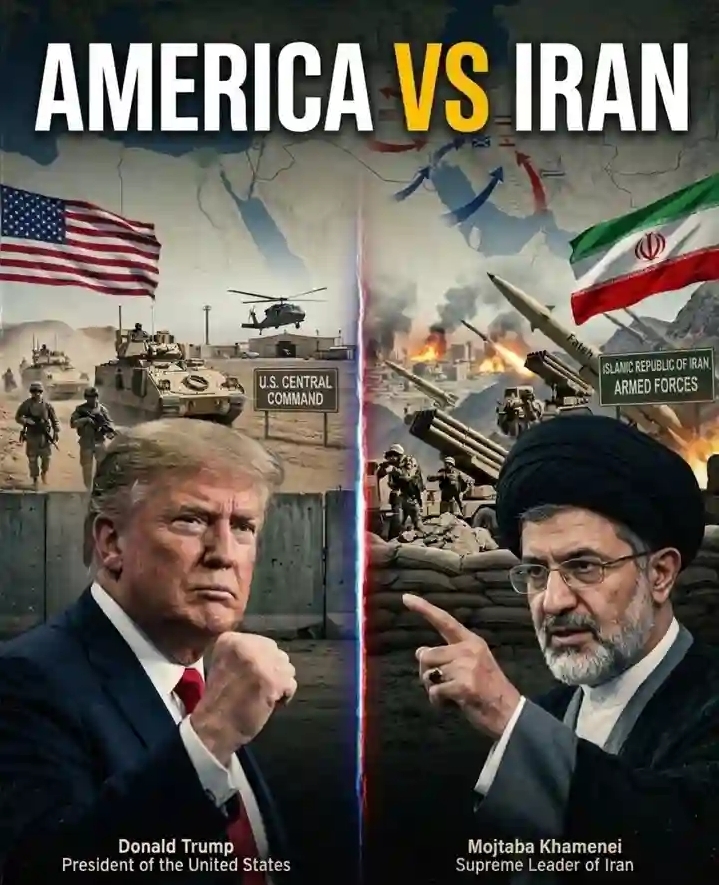
It isn’t.
At least… not entirely.
While the world watches explosions and headlines, another battle is happening quietly in the background.
A battle that could affect fuel prices, inflation, and the global economy.
Right now, two different wars are unfolding at the same time.
Israel and the United States are fighting a military conflict.
Iran is also fighting an economic one.
Because Iran understands something very clearly:
Defeating the U.S. and its allies militarily would be extremely difficult.
But there is another way to apply pressure.
Energy.
There is a narrow waterway between Iran and Oman called the Strait of Hormuz.
It may look small on a map.
But it is one of the most important energy corridors on Earth.
Roughly 20% of the world’s oil supply passes through that single passage.
That means when tensions rise there, the impact doesn’t stay local.
It spreads across the world.
If that route becomes unstable:
• Oil prices can spike
• Shipping costs increase
• Tanker insurance skyrockets
• Global inflation rises
And the pressure doesn’t land in Washington first.
It lands in countries that rely heavily on that energy flow:
• India
• Japan
• South Korea
• China
• Much of Europe
When oil prices surge…
Transportation becomes more expensive.
Food prices rise.
Manufacturing costs increase.
Electricity bills climb.
The ripple effect touches billions of people.
That’s why the Strait of Hormuz is often called one of the world’s most critical energy chokepoints.
Iran can create serious disruption there.
But it cannot defeat larger military alliances on its own.
So the strategy becomes different.
Instead of winning the battlefield…
Increase the economic cost of the conflict until the entire world feels the pressure.
Most people are watching the missiles.
But the bigger story may be unfolding in oil markets, shipping lanes, and global money flows.
Sometimes the most powerful moves in a conflict happen far away from the front lines.