

something you would only see in futuristic movies where machines perform real-world tasks while humans simply watch from the sidelines. But the reality is quickly catching up with imagination. Artificial intelligence is no longer limited to chatbots and digital assistants. Today, intelligent machines are moving into the physical world, performing tasks in logistics, manufacturing, healthcare, transportation, and even everyday services. As this transformation accelerates, a completely new economic system is beginning to emerge where robots and autonomous systems participate in real work, generate value, and interact with humans. This is the vision that the Fabric ecosystem is trying to build, and at the center of this emerging system is the token $ROBO created by @FabricFND. #ROBO

Fabric Foundation is a non-profit initiative focused on building open infrastructure that allows humans and intelligent machines to collaborate safely and productively. The foundation’s mission revolves around developing governance systems, coordination layers, and economic frameworks that enable robots and AI systems to operate within society while remaining aligned with human values and interests. Instead of allowing advanced robotics and AI to be controlled only by a few large corporations or institutions, Fabric promotes an open ecosystem where developers, researchers, businesses, and communities can participate in building the future of intelligent machines together.

One of the key challenges in a world filled with autonomous machines is that robots cannot interact with traditional financial systems the same way humans can. A robot cannot open a bank account, apply for identification documents, or receive payments through normal financial infrastructure. Yet if robots are going to perform economic work, they must be able to receive payments, prove identity, and coordinate with other machines and systems. Fabric addresses this problem by building decentralized infrastructure where robots can operate using blockchain technology. Through on-chain identity systems, decentralized coordination protocols, and machine-to-machine payment mechanisms, robots can participate in the digital economy in a transparent and verifiable way.

This is where $ROBO becomes essential. The $ROBO token acts as the core utility and governance asset of the Fabric network, powering transactions, coordination, and participation across the ecosystem. Within the network, $ROBO is used to pay fees for services such as robot payments, identity verification, and protocol transactions. Participants who want to operate robots, build applications, or coordinate robotic activity within the network must stake $ROBO tokens to access the system’s functionality. This mechanism aligns incentives across the ecosystem and ensures that participants contribute responsibly to the network’s growth.
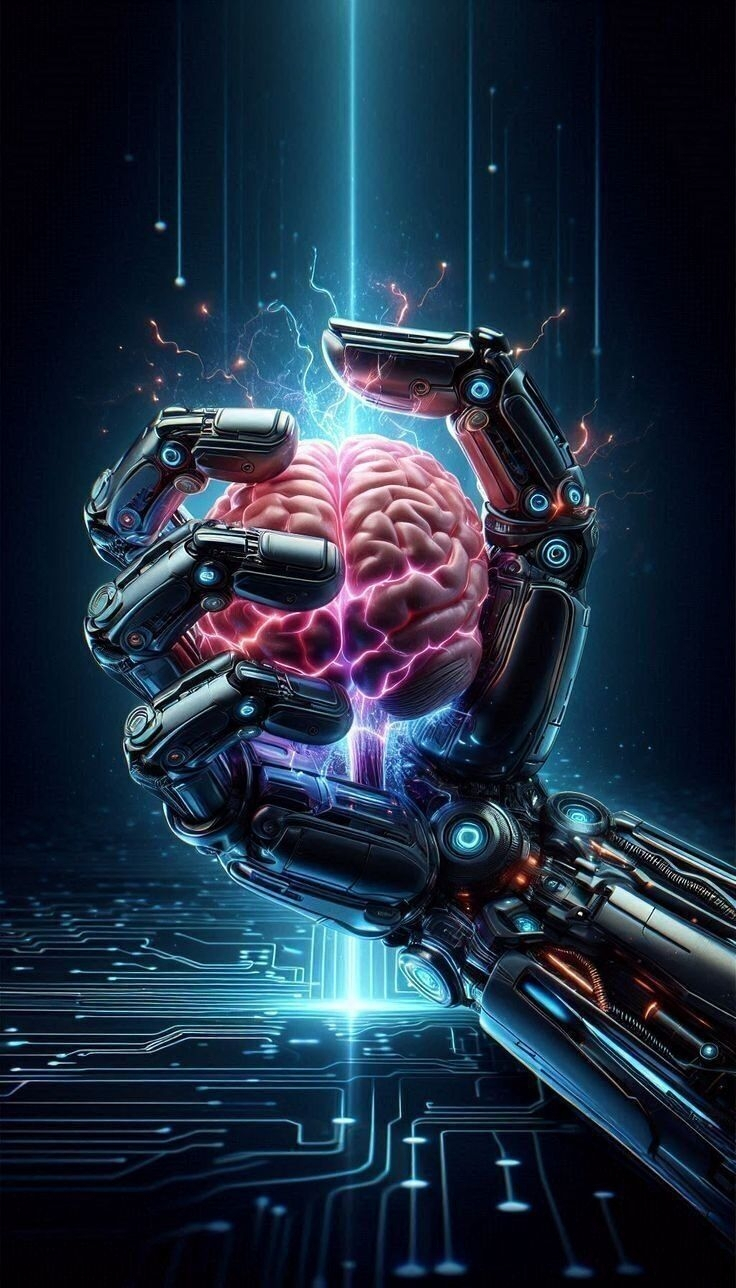
Another fascinating element of the Fabric ecosystem is the concept of decentralized coordination of robotic work. Instead of robots being owned and operated by a single centralized organization, Fabric proposes a model where communities and participants can coordinate the deployment and operation of robot fleets through blockchain mechanisms. These robots can perform tasks such as logistics operations, maintenance services, or automated labor in various industries. Payments for these services are settled on-chain using $ROBO, creating a transparent marketplace where robotic labor can be allocated efficiently across tasks and locations.

To ensure the system functions properly, the Fabric network also incorporates staking and governance mechanisms tied to $ROBO. Participants may need to lock tokens as performance bonds when registering robot hardware or offering services on the network. These bonds act as economic guarantees that help maintain service quality and prevent malicious behavior. At the same time, $ROBO holders can participate in governance decisions that shape the network’s policies, fee structures, and operational rules. This decentralized governance approach allows the ecosystem to evolve collectively rather than being controlled by a single authority.

The distribution and tokenomics of $ROBO are also structured to support long-term ecosystem growth. A significant portion of the total supply is allocated to the community and ecosystem development, ensuring that builders, contributors, and early participants have meaningful incentives to help expand the network. Additional allocations support investors, the founding team, and the foundation reserve, all of which follow vesting schedules designed to align long-term commitment with the project’s success.

In early 2026, the project began attracting attention across the cryptocurrency industry as exchanges and platforms started listing or supporting the token. The launch of a community airdrop and trading campaigns on major platforms helped increase awareness and participation within the ecosystem. Market activity quickly grew, with millions of dollars in trading volume as interest around AI, robotics, and decentralized infrastructure continued to expand.
What makes this development particularly interesting is that the Fabric ecosystem is not simply trying to create another speculative token. Instead, it aims to build a foundational infrastructure layer for a future where machines and humans work side by side. In this vision, robots become economic agents capable of performing tasks, receiving payments, proving identity, and interacting with decentralized systems without relying on centralized intermediaries. The $ROBO token acts as the coordination layer that connects these machines, developers, and users into a unified network.

The broader implication is that the next phase of the digital economy may not only involve people trading assets or interacting with applications online. Instead, it could involve billions of intelligent devices and robots participating directly in economic activity. Autonomous delivery robots, industrial machines, household assistants, and countless other robotic systems may eventually need decentralized infrastructure to coordinate their actions and manage their payments. Fabric’s approach attempts to create that infrastructure today before the robot economy fully arrives.
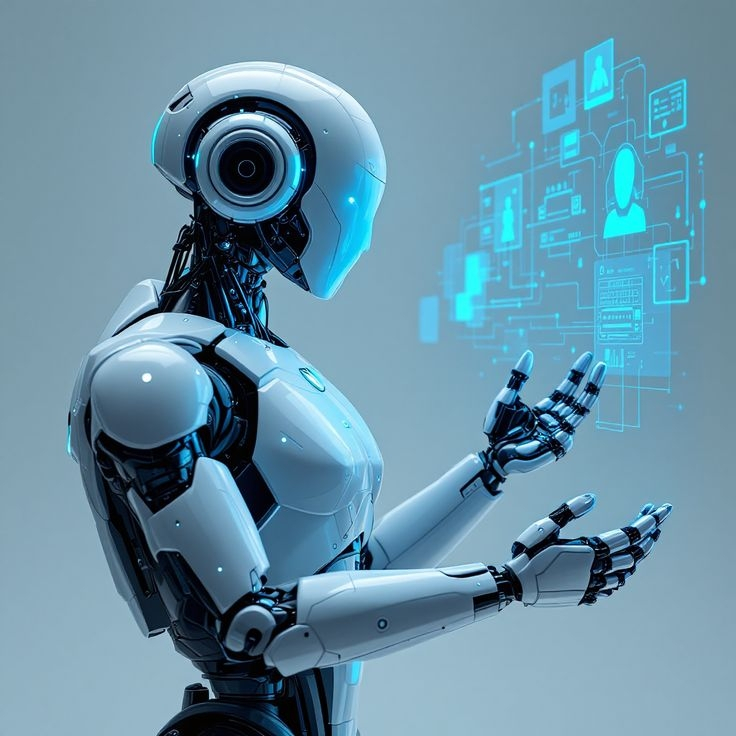
For many observers in the crypto and AI industries, this idea represents the natural evolution of blockchain technology. The early years of cryptocurrency focused on decentralized money. Later came decentralized finance, NFTs, and digital ownership. The next phase may involve decentralized coordination of real-world machines and labor. If that vision becomes reality, projects like Fabric and the $ROBO token could play a central role in connecting blockchain technology with the rapidly advancing world of artificial intelligence and robotics.

The future where robots participate in economic systems is no longer just a concept from science fiction. It is gradually becoming a technological and economic reality. Through open infrastructure, decentralized coordination, and the utility of $ROBO, @FabricFND is attempting to build the foundations of that future, where humans and machines collaborate within a transparent and global network powered by blockchain. #ROBO