

I was scrolling through a few posts about $MIRA earlier and noticed something funny. Most discussions tend to circle around the same big idea: AI verification. That’s obviously the core narrative, but after spending some time reading more about the project, I started noticing a few smaller details that actually helped me understand the ecosystem better.
So instead of repeating the usual explanation of what Mira is, I want to highlight three observations that stood out to me.
1. Mira is building around a problem most AI users already experience
Anyone who regularly uses AI tools has probably seen this happen: the answer looks structured, confident, and detailed… but later you realize parts of it were inaccurate or incomplete.
This isn’t necessarily a bug it’s simply how probabilistic AI systems work. They generate outputs based on likelihood, not certainty.
What caught my attention while exploring Mira is that the project seems to treat this issue as a structural challenge, not just a technical limitation. If AI outputs are going to be used in research, analytics, or financial contexts, some form of validation becomes necessary.
Instead of ignoring that weakness, Mira’s design focuses directly on how those AI outputs can be checked and verified within a network environment.
That approach feels practical rather than purely theoretical.
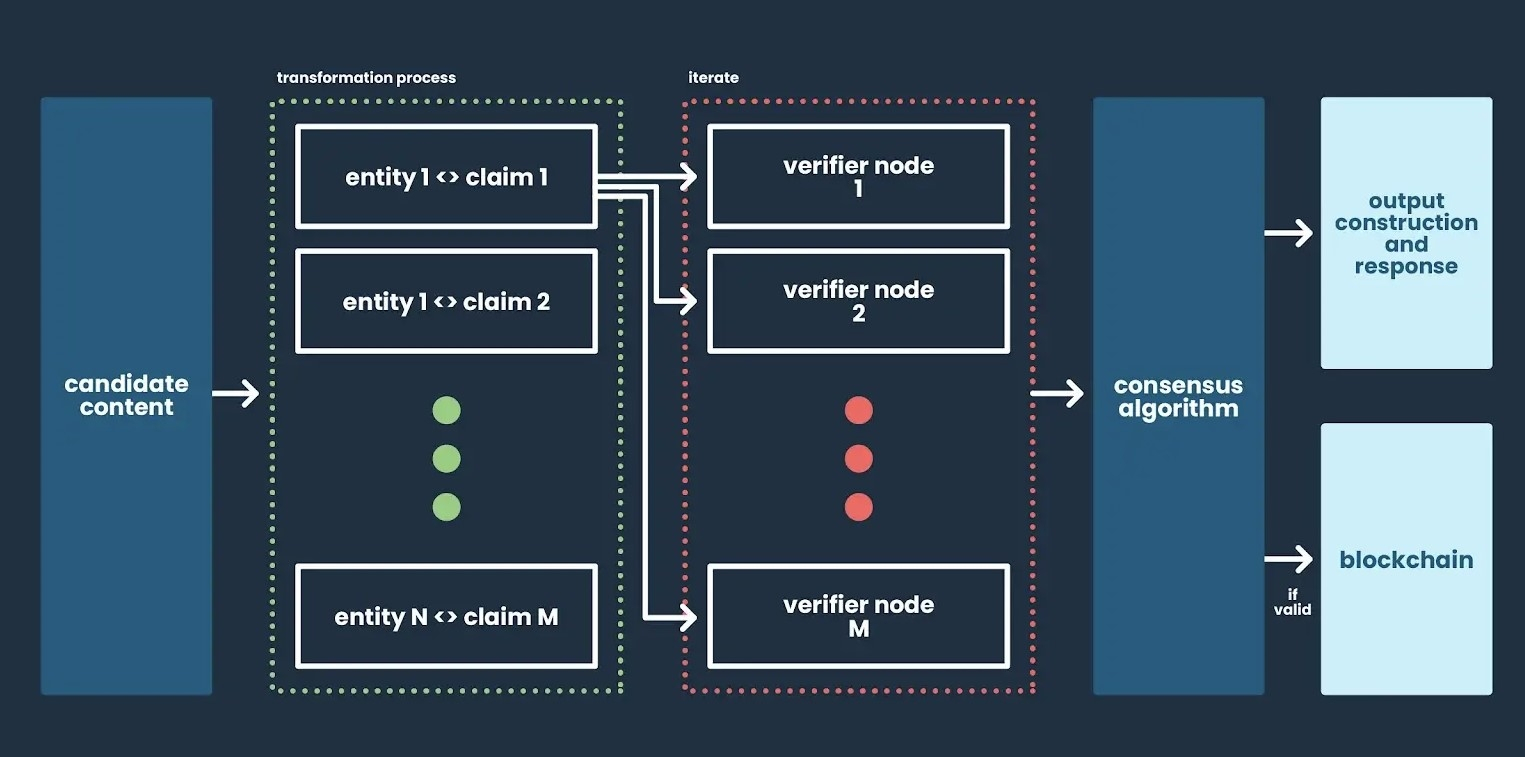
2. The project sits at an interesting intersection between AI and Web3
A lot of crypto projects claim to be “AI + blockchain,” but sometimes the connection between the two is vague.
With Mira, the connection appears clearer: blockchain infrastructure can coordinate verification and incentives between participants who interact with AI-generated information.
In other words, Web3 here is not just branding it helps organize the process of validating data produced by AI systems.
If that mechanism works at scale, it could potentially create an ecosystem where AI results aren’t just generated, but also continuously reviewed by a decentralized network.
3. The role of Mira is tied to network activity
While exploring the token aspect, one thing I tried to understand was whether the token had a functional place inside the system or if it was mainly a market asset.
From what I’ve read so far, $MIRA ppears to function as part of the coordination layer of the network. In decentralized environments, tokens often align incentives between participants who contribute to maintaining the system.
Verification networks especially need this type of incentive structure. Without some economic alignment, it would be difficult to motivate people to spend time validating information.
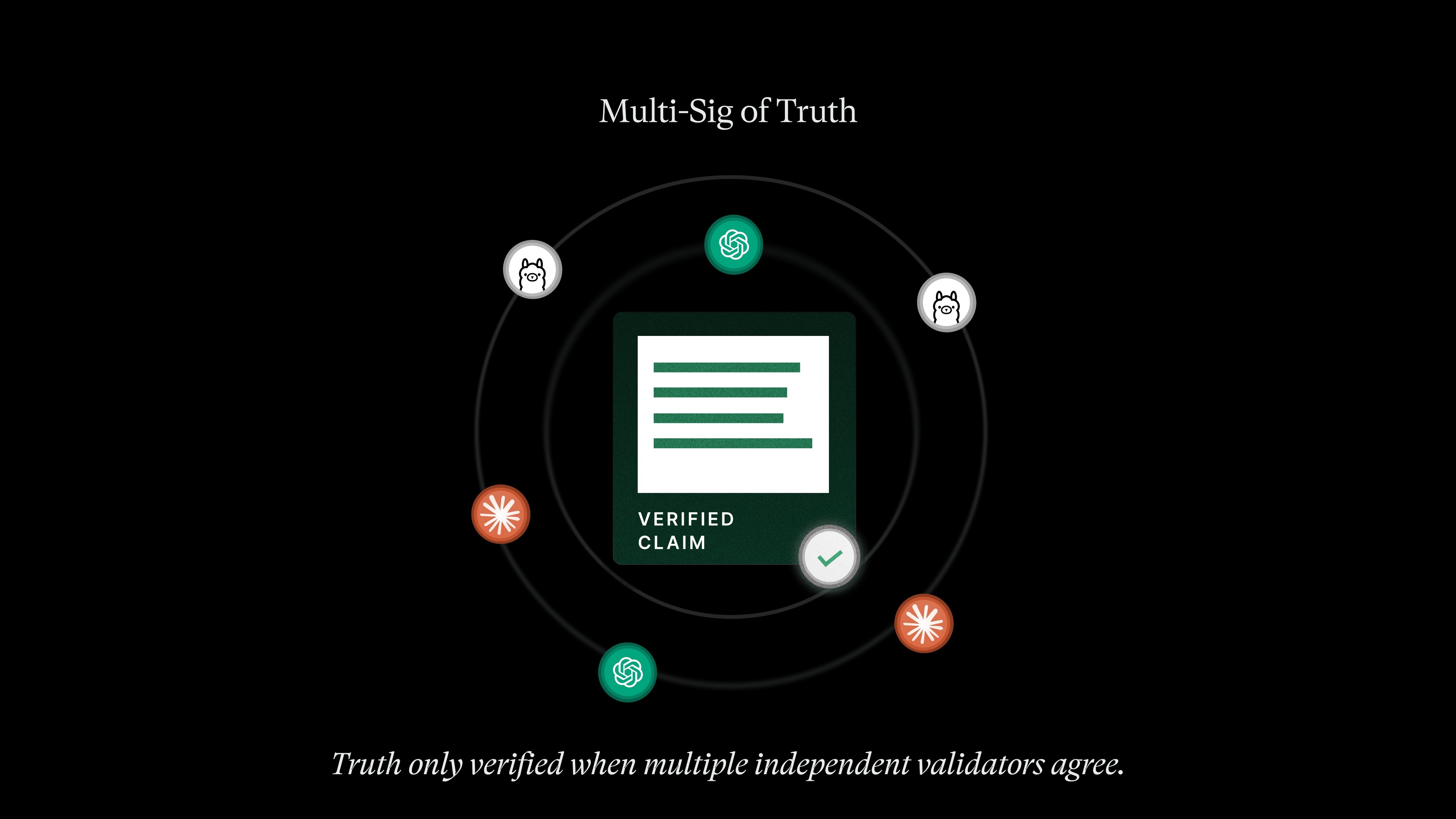
So in that sense, the token becomes more than a symbol it helps sustain the activity happening inside the ecosystem.
A Final Thought
After looking into Mira a bit deeper, the project feels less like a typical AI narrative and more like an attempt to address a specific weakness in today’s AI landscape.
Models are becoming more powerful every year, but reliability still lags behind. If AI continues expanding into more serious use cases, verification layers could become an important piece of infrastructure.
It’s still early, of course. But watching how projects like Mira approach this challenge is definitely interesting.
Sometimes the most impactful innovations aren’t the ones generating new information they’re the ones helping us validate the information we already have.