

Headlines are easy, policy is not.
When Donald Trump signed the executive order tied to a Strategic #Bitcoin Reserve, many in the crypto space treated it like a turning point. It was seen as validation at the highest level a signal that Bitcoin had moved beyond speculation and into the national strategic conversation. For supporters, it felt like the start of something historic.
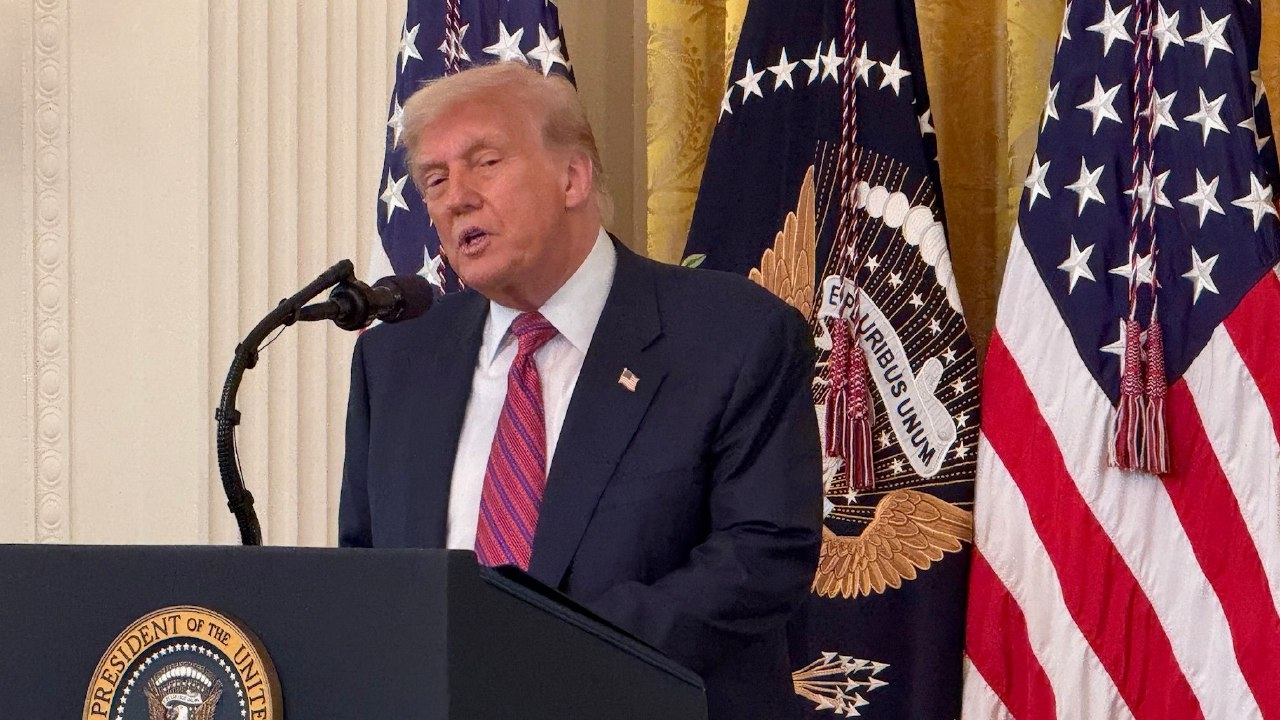
But a year later, the mood looks very different.
Instead of momentum, there has been delay. Instead of a clear buildout, there has been political drift. The order may have created excitement, but excitement alone does not create a reserve. Real action needs structure, funding, legal clarity, and, most importantly, congressional support. That is where the process appears to have stalled.
This is the part many people in crypto hate to hear: government moves slowly, even when the narrative moves fast.
A strategic reserve is not the same as a campaign promise or a market-friendly announcement. It is a policy project. And policy projects can sit in limbo for months, sometimes years, especially when they depend on lawmakers who already have a long list of competing priorities. That is why the order has been left waiting on Congress instead of turning into the kind of aggressive Bitcoin accumulation some expected.
For Bitcoin supporters, that gap between symbolism and execution has been frustrating. The reserve idea was powerful because it suggested the United States might eventually treat BTC as more than a risky asset or regulatory headache. It hinted at a future where Bitcoin could be viewed as strategically relevant, whether as a reserve asset, a geopolitical hedge, or a tool in a changing monetary world.
That future, however, is still not here.
Now sources say there may be one remaining path for 2026. That alone tells you where things stand. When an idea that once felt urgent gets pushed into “maybe next year,” it means the political energy behind it has cooled, or at least become more complicated. It does not mean the reserve concept is dead, but it does mean the market probably got ahead of reality.
And that is the bigger lesson.
Bitcoin may be moving fast globally, but state adoption is still messy. Even when there is public support, even when there is executive attention, turning that into actual policy is another challenge entirely. The same market that can price in hope overnight often has very little patience for the boring mechanics of legislation.
Still, the fact that the idea has not disappeared matters.
A U.S. Strategic Bitcoin Reserve would have sounded unthinkable just a few years ago. Now it is a real policy discussion, even if the process has slowed down. That alone shows how far Bitcoin has come.
So yes, people who cheered the reserve have spent the last year watching it stall. But the story is not just about delay. It is also about how Bitcoin has entered a stage where the debate is no longer whether governments should pay attention.
It is about whether they are capable of acting before the market moves ahead without them.
$BTC #JobsDataShock #AltcoinSeasonTalkTwoYearLow #BTC