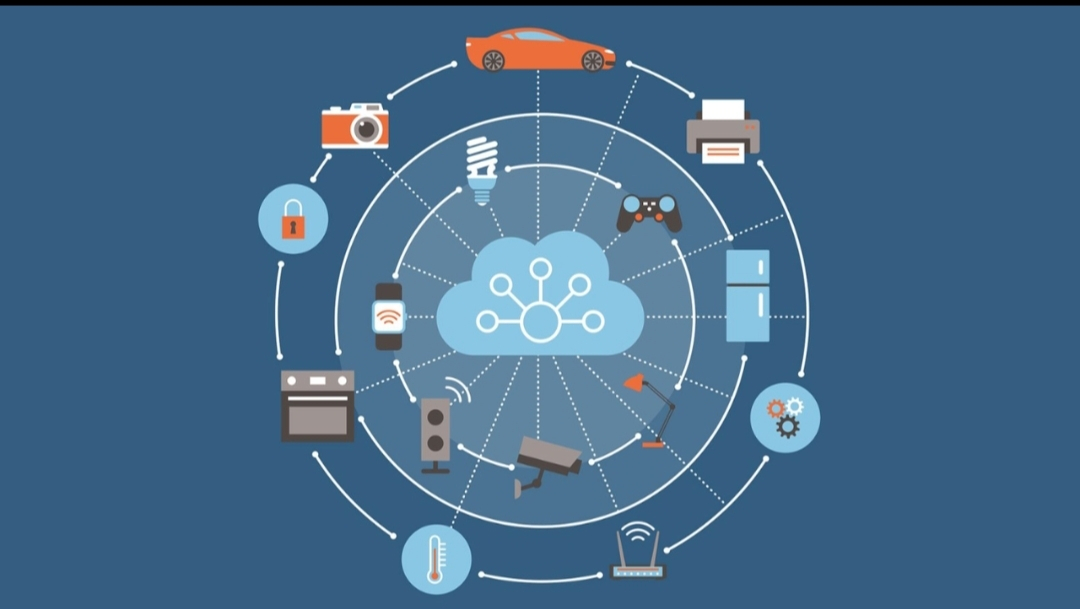
I’ve been spending some time looking deeper into what @Fabric Foundation is building, and the more I read, the more interesting the idea behind $ROBO becomes. A lot of projects talk about AI or robotics, but Fabric is focusing on something more fundamental: trust between machines.
As robots, AI agents, and automated systems become more common, they will need a reliable way to interact with each other. A machine must know where the data came from, whether an instruction is authentic, and whether another machine is operating with the right permissions. Without that layer of verification, large machine networks simply cannot coordinate safely.
This is where Fabric’s design starts to stand out. The network aims to create verifiable identities, activity records, and coordination mechanisms that allow machines to operate within a trusted environment. In simple terms, it is trying to build the infrastructure that allows machines to work together instead of existing as isolated systems.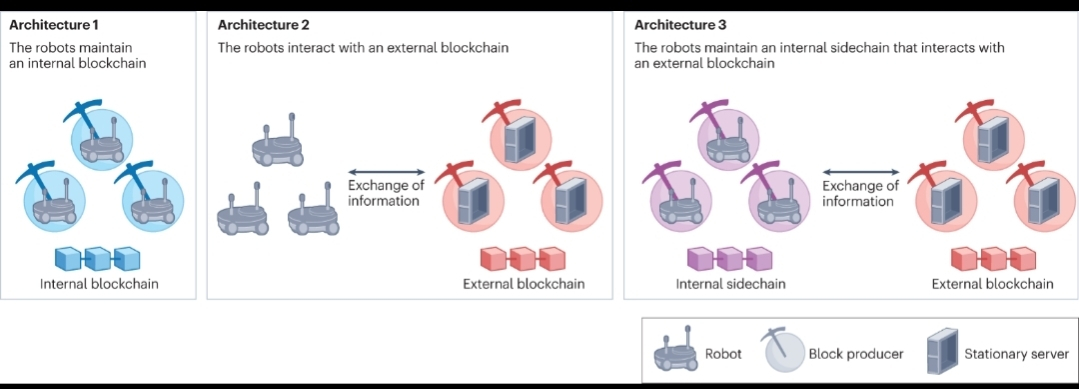
The role of $ROBO becomes important here because it connects economic incentives to that verification layer. If machine coordination becomes a real part of the future digital economy, systems that provide identity, validation, and trust could become essential infrastructure.
It is still early, and execution will matter a lot. But the idea of building a trust layer for machine-to-machine interaction is a serious thesis worth watching.