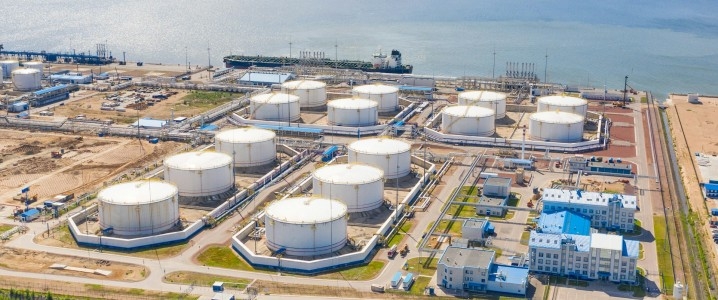
The world is holding its breath as the heartbeat of the global energy market begins to falter. In a series of events that feel like a high-stakes thriller, the unthinkable is becoming reality. Kuwait, a titan of oil production and a founding member of OPEC, has officially begun shutting down production at several of its major oilfields. The reason? A terrifying logistical deadlock. With the Strait of Hormuz effectively paralyzed, there is simply nowhere left to store the oil. Tanks are full, ships are idle, and the machines that power the modern world are grinding to a halt.
This isn't just a local disruption; it’s a global siren. Qatar’s Energy Minister, Saad al-Kaabi, has issued a chilling forecast that is sending shockwaves through financial capitals: if the Strait remains closed, oil prices could skyrocket to $150 per barrel in just a matter of weeks. The tension is palpable. For every driver at a gas station and every factory owner watching their margins, the suspense is no longer about "if" prices will rise, but how high the ceiling actually is.
The numbers tell a story of a sudden, violent crash in maritime trade. Usually, the Strait of Hormuz is a bustling highway for energy, seeing an average of 138 ships a day. In the last 24 hours, that number has plummeted to just two. Neither of those two vessels were tankers. The silence on the water is deafening. Behind the scenes, the "Force Majeure" clock is ticking. QatarEnergy has already halted LNG production and issued legal notices to buyers, admitting they can no longer guarantee deliveries. Minister al-Kaabi warned that every major exporter in the Gulf will likely follow suit within days if the standoff continues.
The human and economic cost of this paralysis is staggering. Insurers have pulled "war insurance," leaving dozens of tankers stranded in open waters, essentially becoming sitting ducks in a volatile zone. Even if the conflict ended today, the minister warned that it would take "weeks to months" to return to a normal delivery cycle. The world is staring at a future where global economic growth doesn't just slow down—it suffers a deep, lasting wound.
As the sun sets over the silent oilfields of Kuwait and the empty waters of the Strait, the question remains: How much longer can the world economy survive on standby?
#JobsDataShock #AltcoinSeasonTalkTwoYearLow #MarketPullback #AIBinance $SENT $ROBO $TRUTH