
The world woke up this week to a nightmare scenario that many feared but few believed would actually happen. As the conflict in Iran enters its sixth devastating day, the global energy market is shivering. Flames are rising over the Gulf, and with them, the price of the very fuel that keeps our modern world turning. But amidst the chaos, the smoke, and the rising fear, a cold, hard question is emerging: Is this crisis actually a golden opportunity for the West?
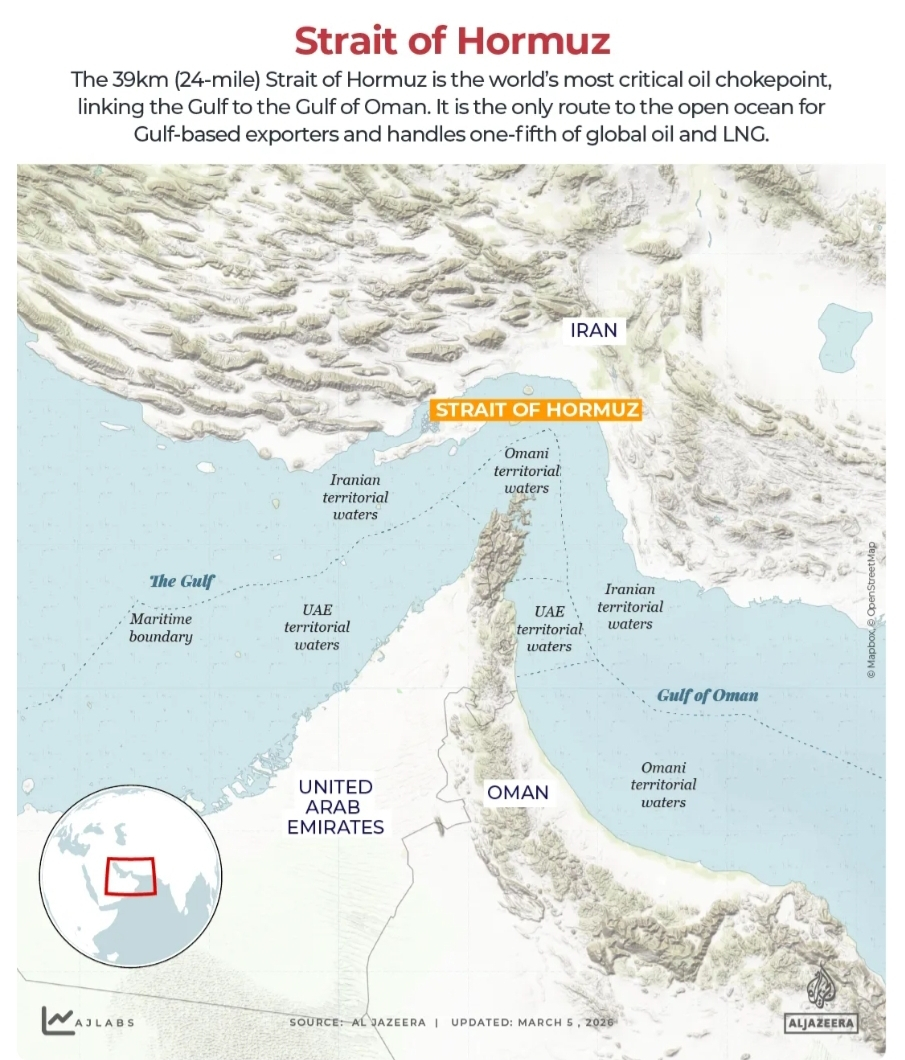
For years, the Strait of Hormuz has been described as the world’s jugular vein. Today, that vein is being squeezed. After retaliatory strikes between the U.S., Israel, and Iran, the Iranian Revolutionary Guard has effectively declared the waterway closed. One-fifth of the world’s oil and 20 percent of its liquefied natural gas (LNG) are now trapped behind a wall of threats and burning tankers. From the U.S.-flagged Stena Imperative to the Honduran Nova, ships are being hit, lives are being lost, and the global economy is holding its breath.
But here is where the suspense builds. As Middle Eastern production stalls—with Qatar halting LNG operations and Saudi Arabia’s massive refineries facing drone debris—the eyes of the world are shifting West. The United States, now the world’s largest oil exporter and a leading LNG producer, finds itself in a position of unprecedented power. With prices for Brent crude and European gas skyrocketing, American firms like ExxonMobil and Cheniere are standing at the edge of a massive market gap left by the "closed" Middle East.
Is the U.S. about to become the world’s energy savior, or is it simply the only player left standing?
The irony is thick. While the world watches the tragedy of war unfold, Western exporters see a chance to seize a market share that was previously untouchable. However, it’s not a simple victory. Experts warn that while the U.S. is "mostly insulated" from the shock, American families will still feel the burn at the gas pump as refined product prices climb. Furthermore, American plants are already running at nearly full capacity. Increasing production to fill the massive 10-billion-cubic-feet gap left by Qatar won’t happen overnight. It could take months—or even years—and by then, the world as we know it may have changed forever.
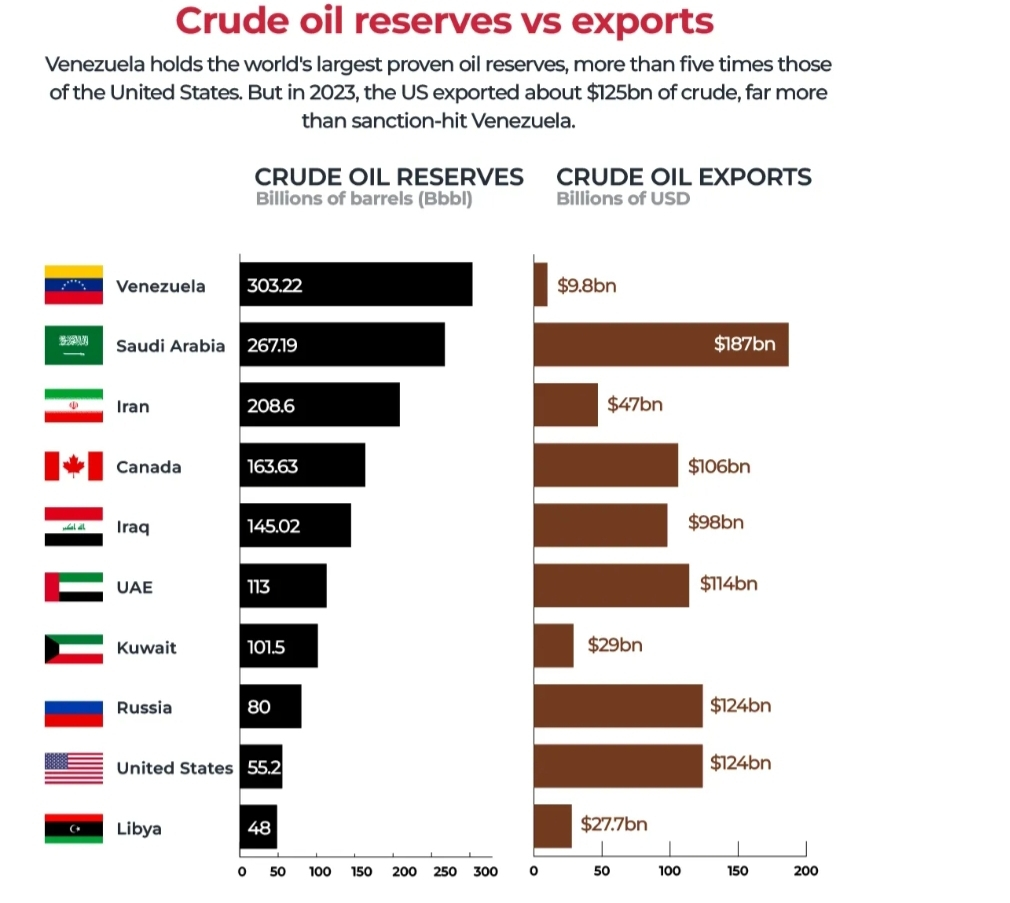
And then there is the "Shadow Fleet." While the West calculates its moves, countries like Russia are quietly benefiting, funneling oil to China and India at premium prices while sanctions are conveniently ignored to keep the global engine from seizing up entirely.
The tension is palpable. We are witnessing a historic shift in global power, fueled by fire and high-stakes diplomacy. Will the U.S. capitalize on this disruption to cement its dominance, or will the longevity of this war drag everyone down into a deeper, darker crisis? One thing is certain: the era of "cheap energy" is being buried in the sands of the Middle East, and the world will never look at a fuel gauge the same way again.
What do you think? Is this a strategic shift or a global catastrophe in the making? Let us know below.
#AltcoinSeasonTalkTwoYearLow #SolvProtocolHacked #MarketPullback #USJobsData #AIBinance $SKR $SOL $TRUTH