
In today's era, tools and platforms are providing everything. Whether it's a financial platform, research tools or content generation systems, everything now relies on technology. These tools process information and provide insights and solutions to the community.
But one question always comes to mind: can we trust them completely?
Sometimes the results of a system seem to be correct, but they may contain small errors or incomplete information. In simple tasks this is not a big problem, but in finance, research, and business analysis you can cause confusion or loss.
That's the problem MIRA is trying to solve.
The idea of $MIRA
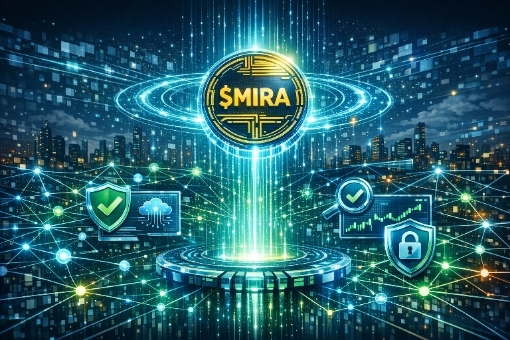
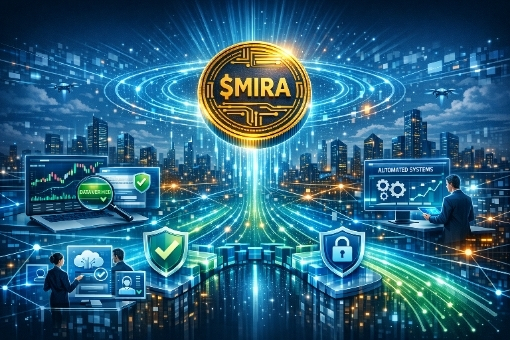
The goal of MIRA is to develop a system where digital outputs can be reviewed and verified for authenticity. That is, the user first sees whether the information is reliable or not, and then makes a decision.
This system provides an additional level of trust. In simple terms, it is a checkpoint where the outputs are checked and then the users get secure information.
Verification Method
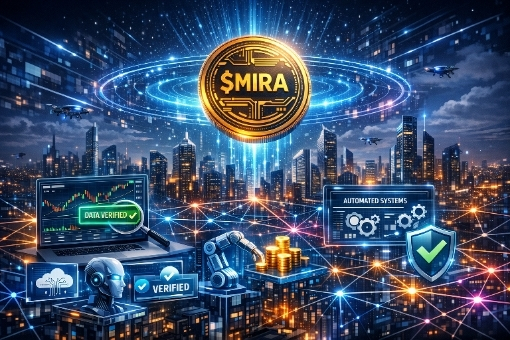
When a system produces a result, the participants of the Mira network or we, the validators, check the result. If everything is good, the result is verified and an auditable record is created.
The process lets users know that the data is reliable and they do not need to blindly trust it. This model creates a transparent and secure environment where decision-making becomes more accurate.
Role of the $MIRA token
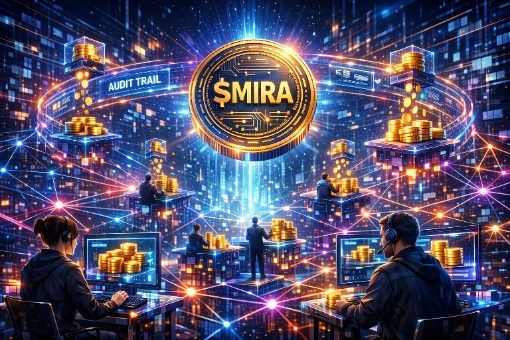
The MIRA token also plays a role in every $MIRA system. You incentivize token verifiers, you help maintain and make the system reliable.
When the validators check the outputs, they are rewarded with tokens. Does the Tara network remain active and all participants are involved in improving the system?
Real-life applications
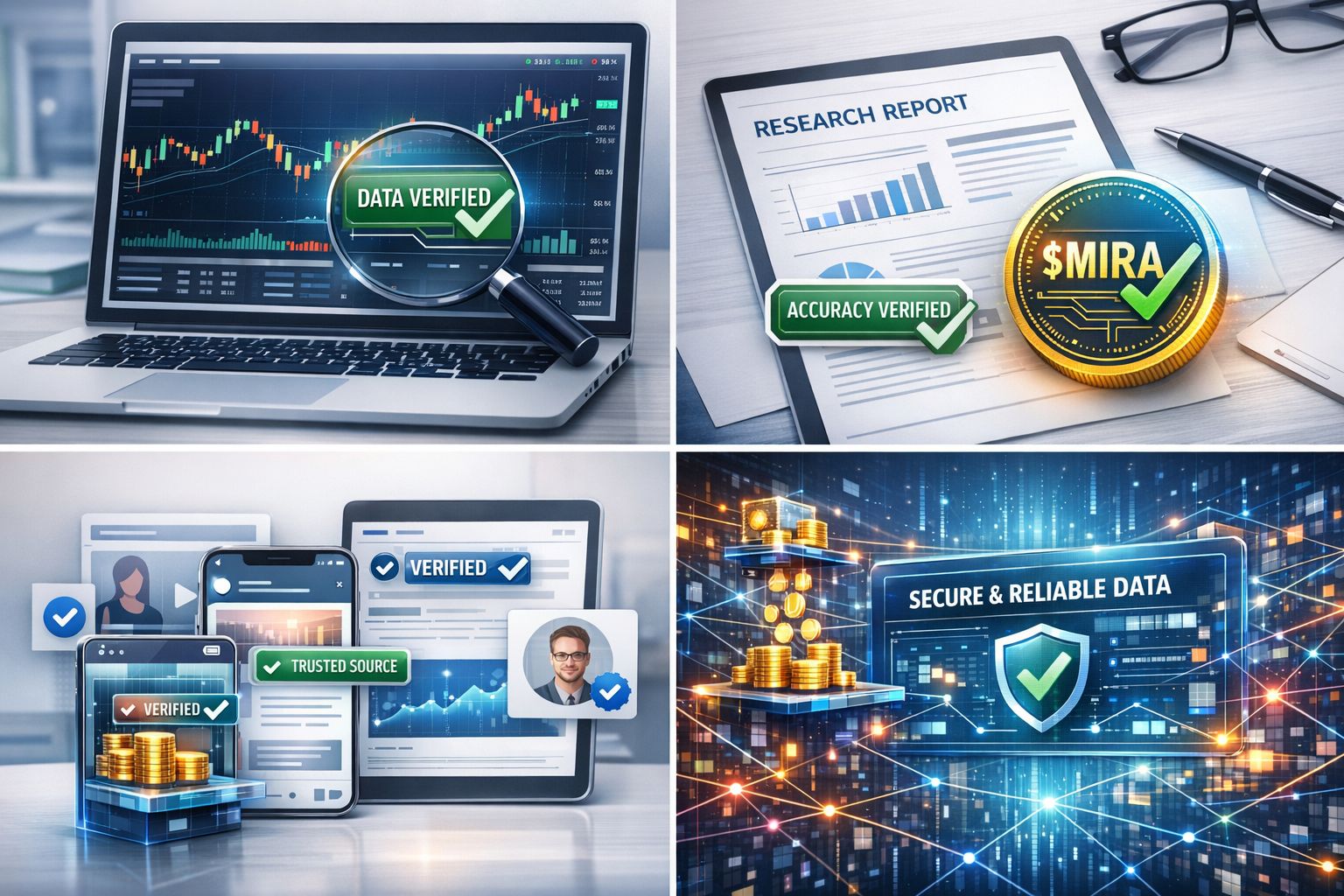
The concept of MIRA is not surf theory, but can be used in real-life applications. Some examples:
Financial platforms - Output can be verified before market analysis and trading decisions are made.
Research tools - Automated research summaries and reports can be checked for accuracy.
Digital publishing - Content can be verified before publishing.
Data analysis platforms - Tools that process large datasets verify that the output is reliable.
In all cases, $Mira provides a trusted layer that makes decision-making safe and accurate.
Future perspective
Technology and automation are becoming more and more common. As systems become more integrated, the importance of trust and reliability also increases.
$Mira’s vision is simple: to create a transparent and trustworthy environment by verifying output. Your idea could be invaluable for future digital platforms and tools.
If your idea is successful, $Mira could become a critical foundation that makes digital decision-making and automated tools safe and reliable.
Conclusion
Digital tools and platforms have made our lives easier and faster. It is very important to rely on accurate and reliable information to write.
With the $MIRA verification network, you ensure that users get reliable and secure information. Are Tara systems reliable and effective?
Transparency is essential in today's era. Projects like $Mira are working in the direction they are heading and can become an important trust coin for digital systems in the future.
What do you think? Can verification networks like $Mira become a part of every digital platform in the future?