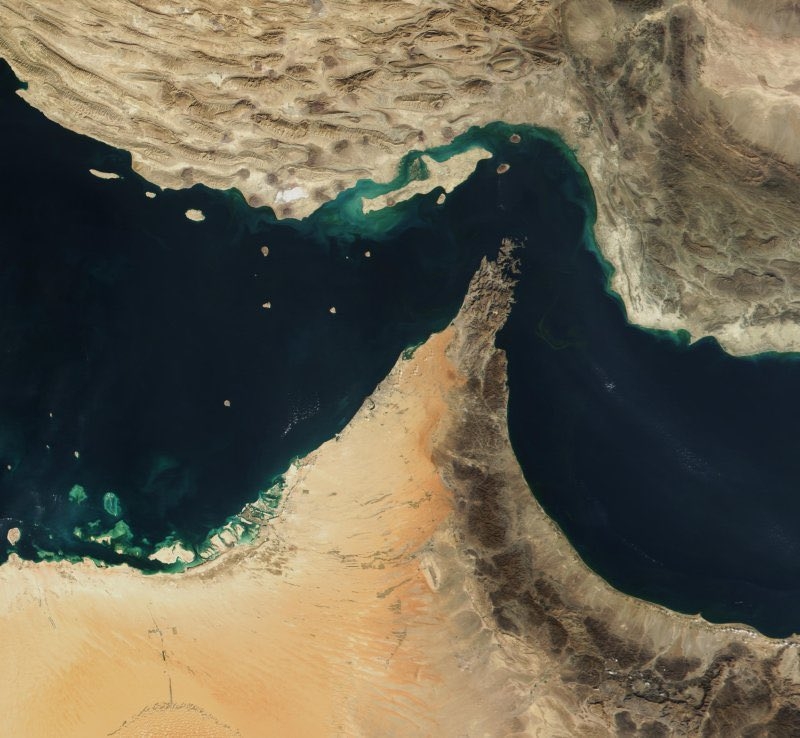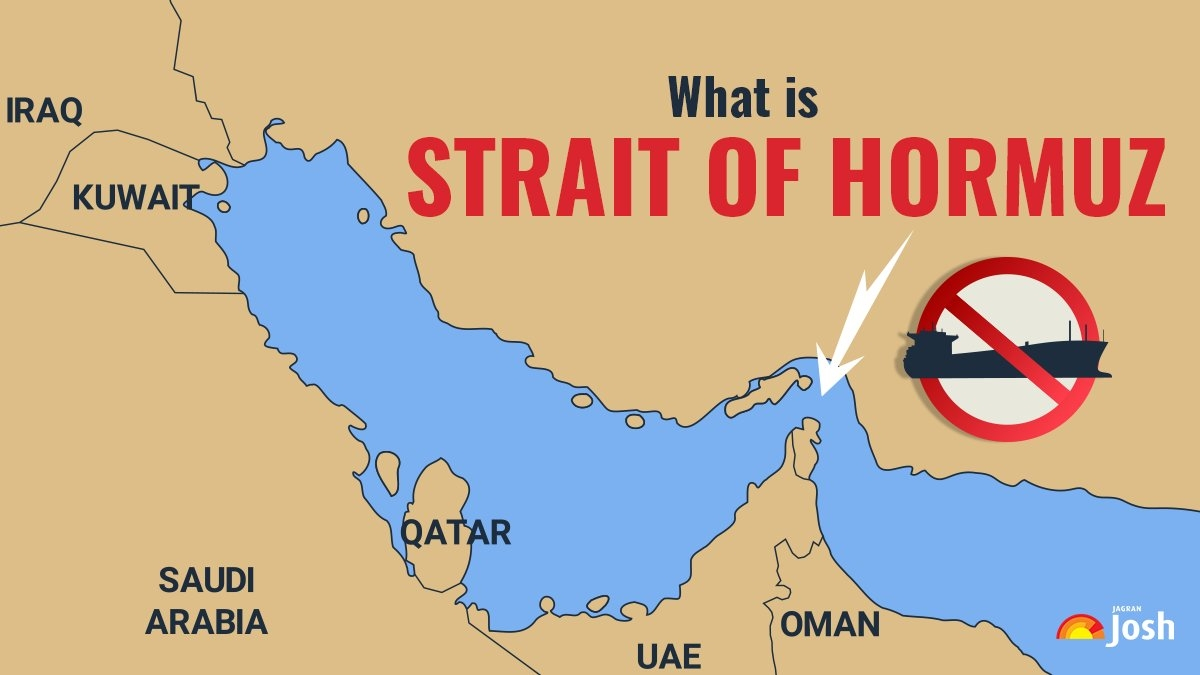
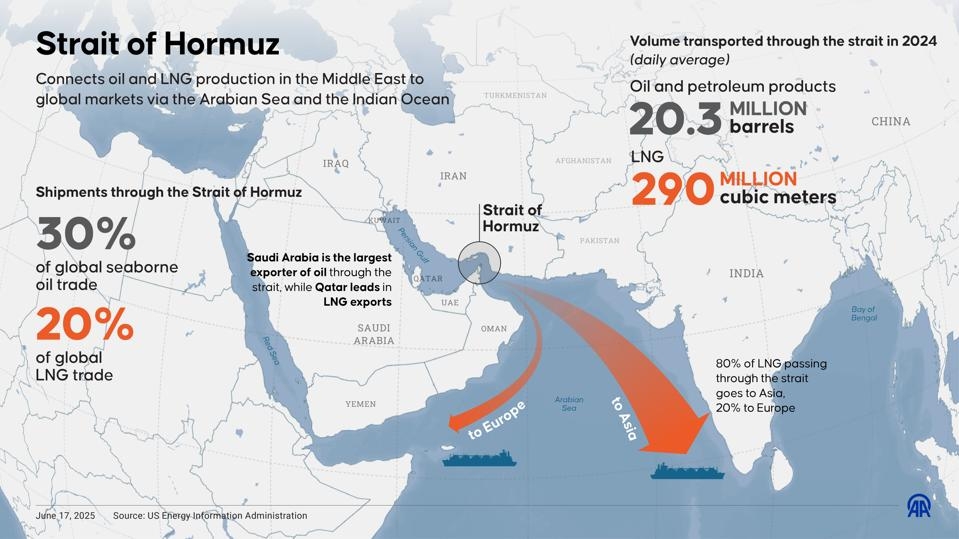
 The Strait of Hormuz is a narrow waterway that serves as one of the world's most critical oil and gas chokepoints. It connects the Persian Gulf (to the north) with the Gulf of Oman and the open Arabian Sea (to the south), providing the only sea route for oil and liquefied natural gas (LNG) exports from several major producers in the Middle East.
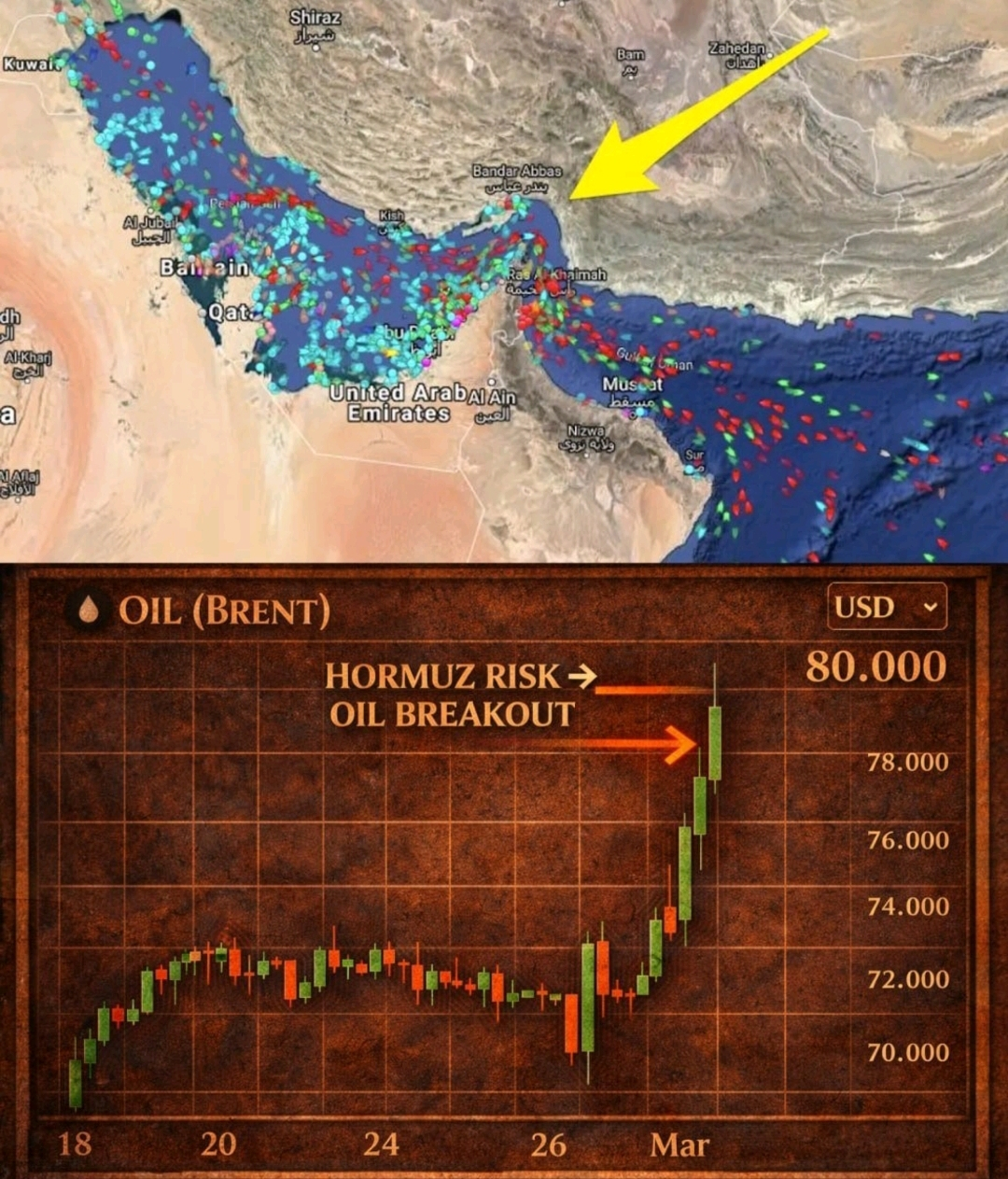
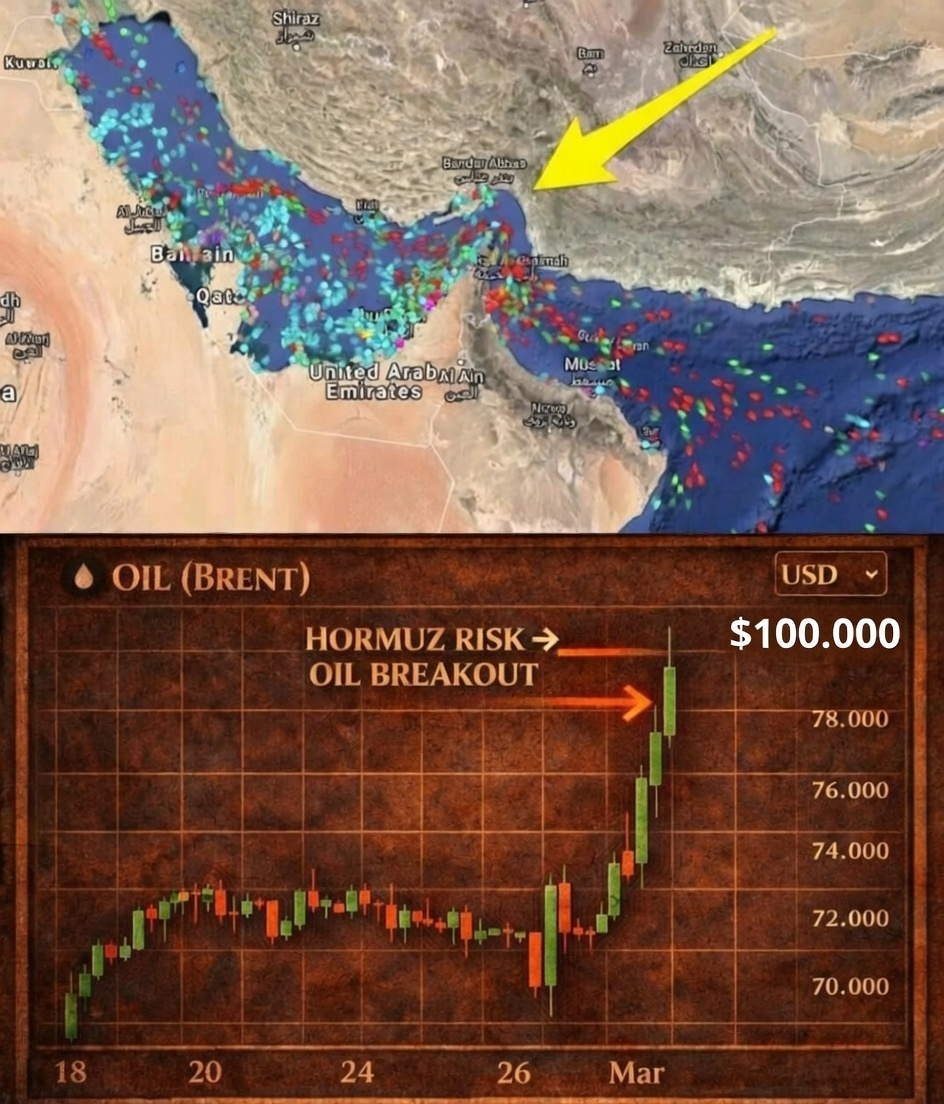
Here are clear maps showing its location:Key Facts
Geography: It's about 21 nautical miles (39 km) wide at its narrowest point, with shipping lanes roughly 2 miles wide in each direction. Iran controls the northern side, while Oman and the UAE's Musandam exclave control the southern side.
Strategic Importance: Around 20% of the world's daily oil consumption (about 20 million barrels per day on average in recent years, including crude, condensate, and fuels) passes through it. It also carries roughly 20% of global LNG trade, mostly from Qatar.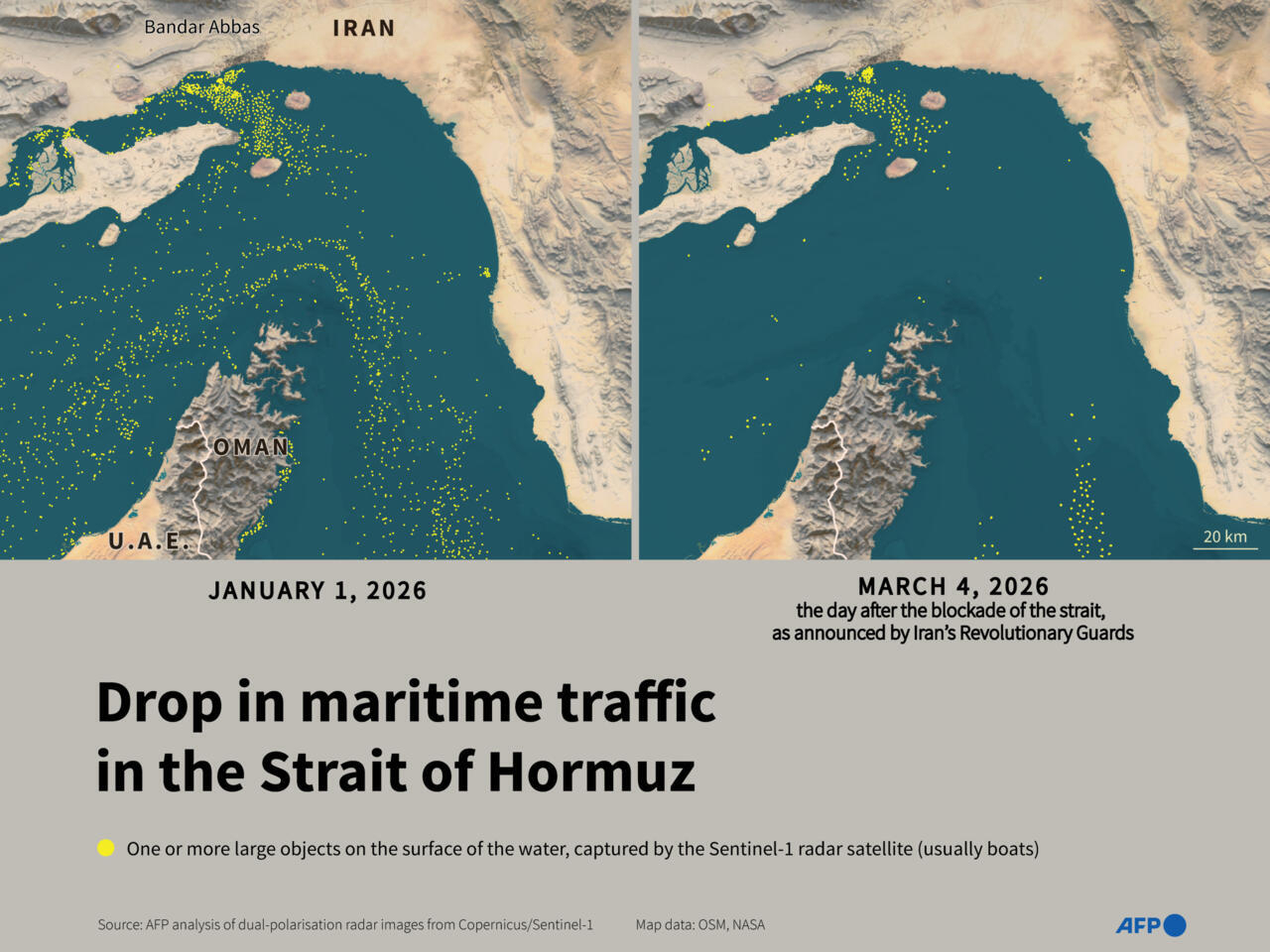
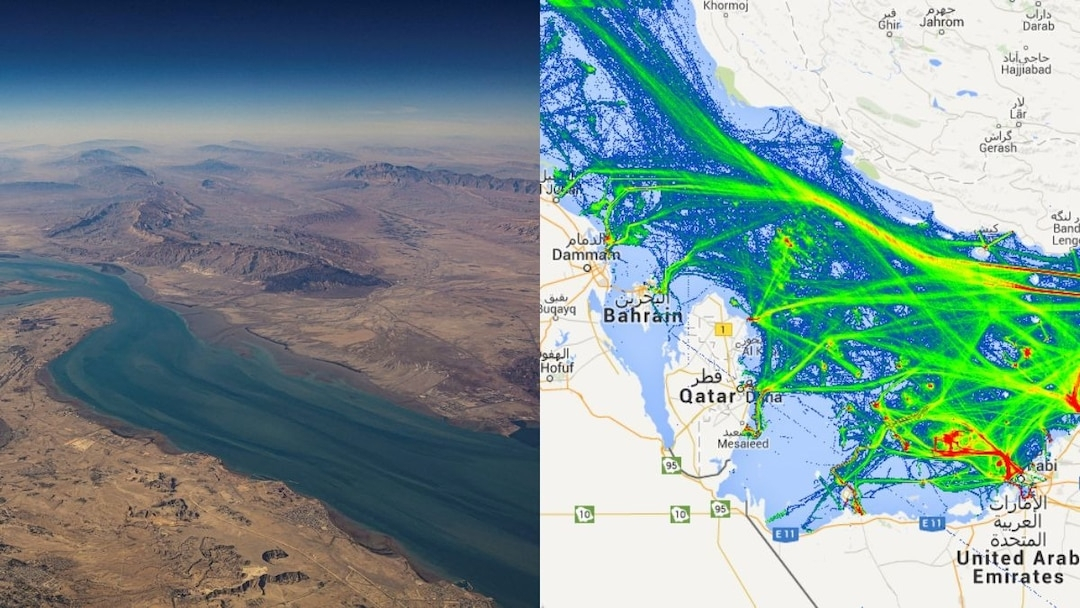
Major exporters relying on it: Saudi Arabia, Iraq, UAE, Kuwait, Qatar, and Iran itself.
Most of the oil heads to Asia (e.g., China, India, Japan, South Korea).
Why It's a Chokepoint: There's no easy alternative route for most Gulf exports. Bypassing it would require long, costly rerouting around Africa or limited pipeline options (which can handle only a fraction of the volume).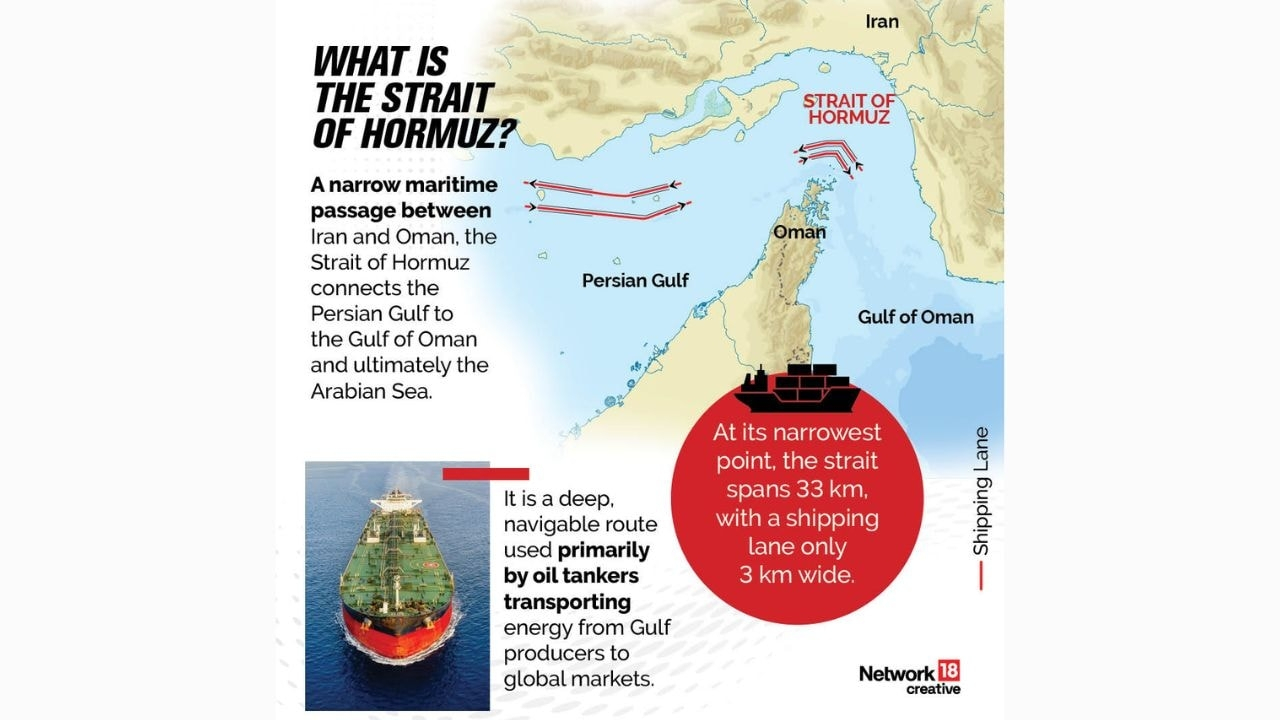
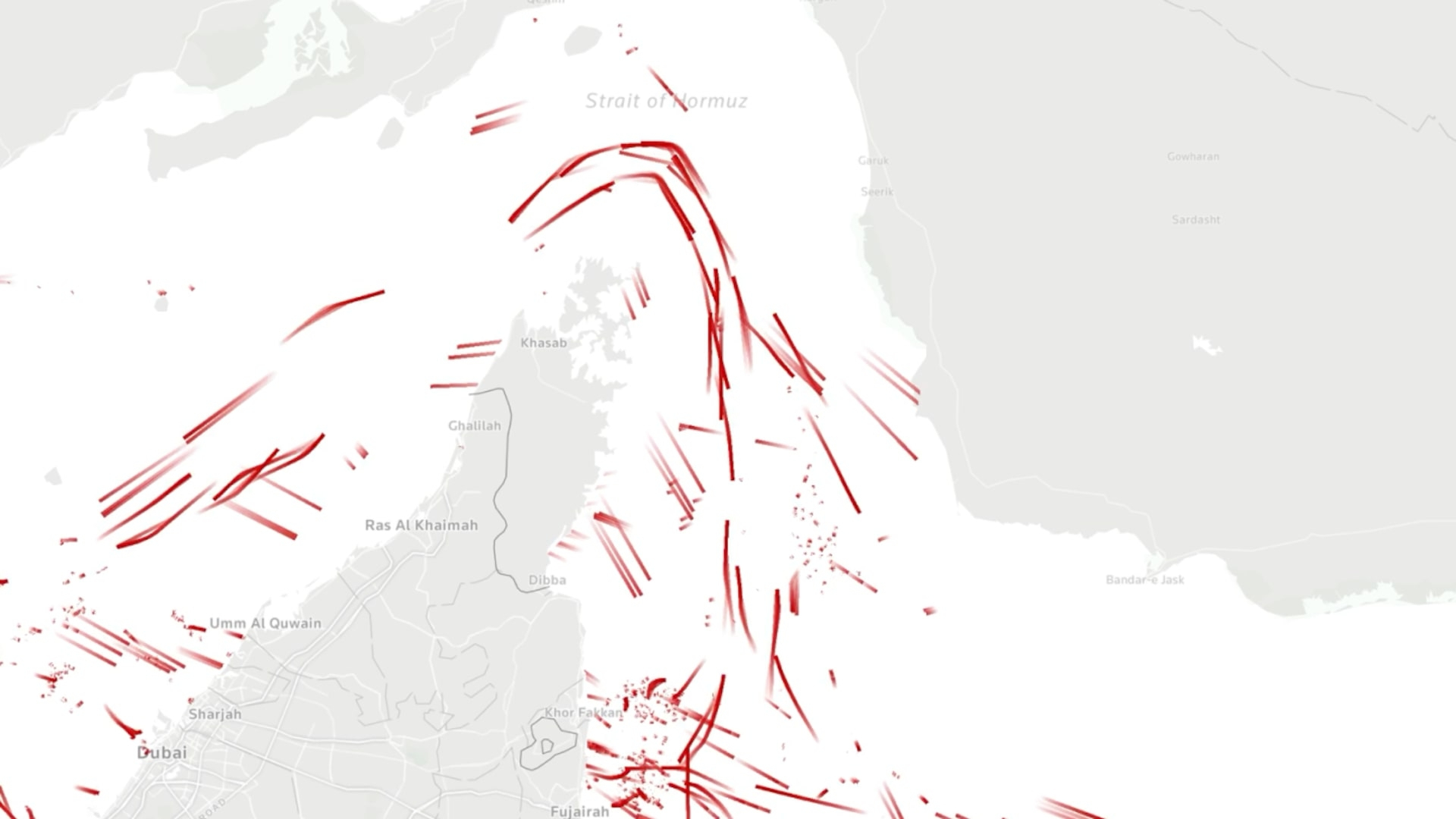
Current Situation (as of early March 2026)
Tensions have escalated dramatically due to the ongoing conflict involving U.S., Israeli strikes on Iran (starting late February 2026), and Iranian retaliation.