
Hey Binance Square crew, Asma here again from the cool mornings in Azad Kashmir ☕. Crypto’s been my playground for a while I’ve ridden the waves, taken some hits, and now I’m all in on where AI meets blockchain. The combo has huge potential, but let’s be real: most AI tools in dApps still feel like a gamble. One wrong output from a hallucinating model, and your autonomous trading bot or smart contract could tank hard. I’ve been there, staring at a bad call that cost me. Enter @mira_network a project that’s actually solving this trust problem at the root, not just slapping hype on it.
Mira works as a decentralized verification layer for AI. When an AI spits out a response, Mira doesn’t trust it blindly. It routes the output to multiple independent AI nodes that break it down into small, atomic claims. These nodes cross-verify everything, reach consensus, and only then approve it. If there’s no agreement, it gets rejected. Approved outputs? They get a tamper proof cryptographic certificate stamped right on-chain via Base fully auditable, no central middleman pulling strings.
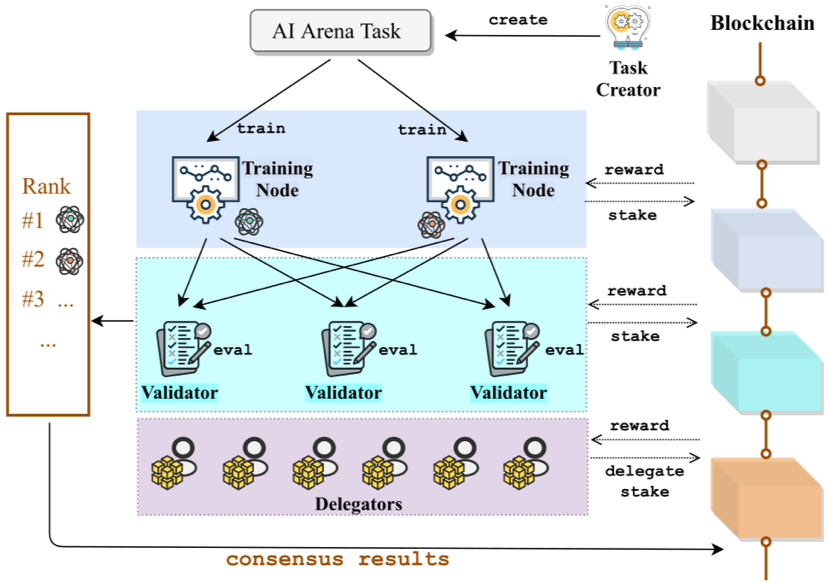
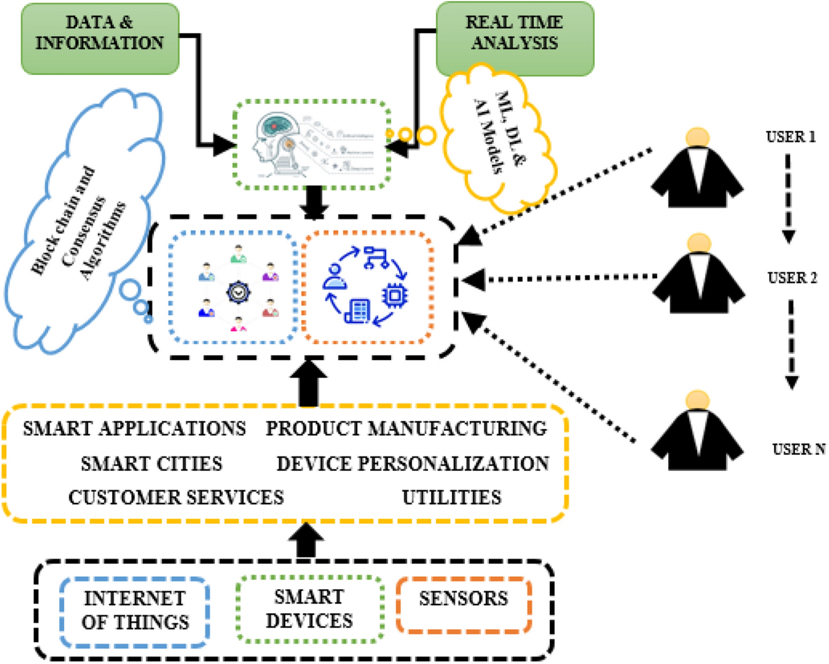
This kind of node based consensus in a decentralized setup looks a lot like this diagram from blockchain-AI projects nodes collaborating to validate and agree:
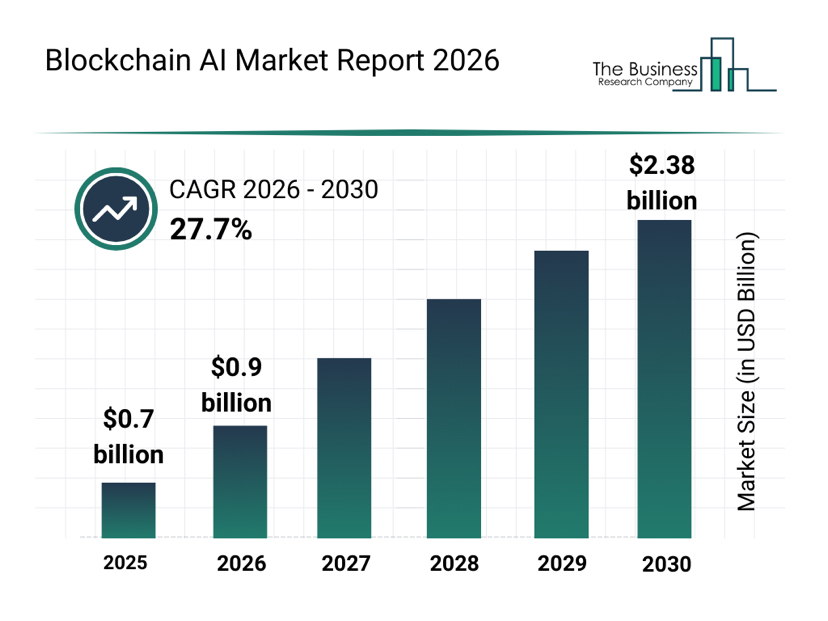
The broader picture? AI + blockchain is exploding. Markets are growing fast as more dApps integrate intelligent agents. Here’s a solid look at blockchain-AI market projections steady climb with serious upside:
Mira stands out by baking verification straight into the dApp flow. It uses cryptoeconomic game theory too: stakers back honest nodes with rewards, while dishonest ones get slashed. Privacy stays strong with data sharding across nodes. Unlike broad oracles, Mira targets exactly the hallucination/bias risks in AI outputs perfect for finance agents, education platforms, or any high-stakes use case.
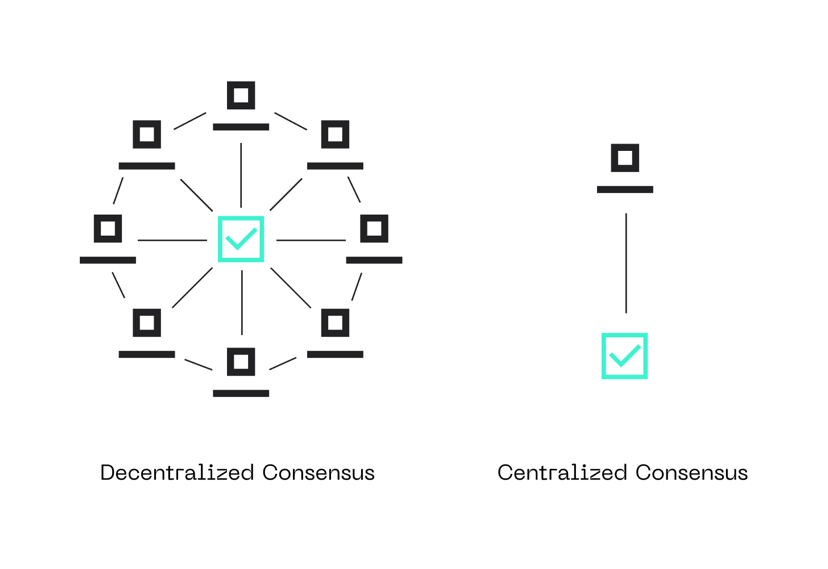
Decentralized consensus spreads the power and cuts single points of failure, as this comparison shows Mira’s model aligns with the left side for real resilience:
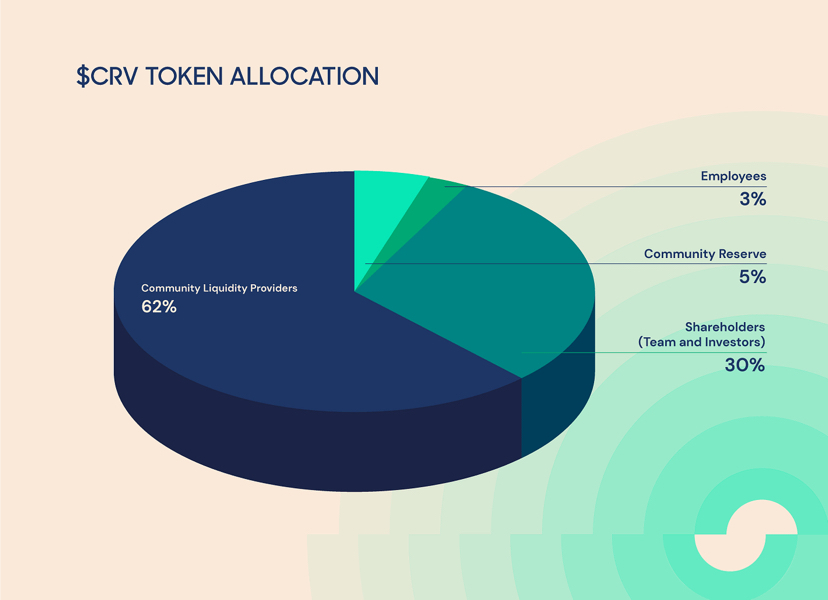
On $MIRA tokenomics: It powers verifications staking for security, rewards for good behavior, and some fee burns to support scarcity. Typical solid projects allocate heavily to community/liquidity while keeping team/investors balanced like these examples:
The whole verification flow is clean and logical: input → claim breakdown → multi-node consensus → certified output. This process diagram (from blockchain verification contexts) illustrates how it keeps things accurate and trustworthy:
Bottom line: If we’re serious about AI powering the next wave of Web3, we need layers like Mira to make outputs reliable. No more blind faith in black-box models. I’ve learned the hard way that trust isn’t optional in crypto it’s everything.
What about you? Let’s chat in the comments! 🚀
$MIRA #Mira @Mira - Trust Layer of AI
