

While researching Fabric Protocol and its native token ROBO, it becomes clear that understanding the project requires looking beyond surface-level narratives and asking deeper questions about how decentralized artificial intelligence systems are meant to function in practice.
One of the central ideas behind Fabric is the use of blockchain technology to improve trust in AI systems. By anchoring AI and robotic activity to verifiable on-chain data, the protocol aims to replace blind trust in centralized AI providers with transparent, auditable verification. In theory, this creates a system where outputs and operations can be traced and validated through blockchain records.
However, verification alone does not solve every challenge. Even if blockchain confirms that data was submitted or processed, it does not automatically guarantee that the information is accurate, ethical, or contextually appropriate. This raises a deeper question: how can decentralized networks effectively evaluate the quality and reliability of AI-generated outputs?

Another structural concern revolves around the role of validators. If validation power becomes concentrated within a small group, the system risks drifting away from true decentralization. To mitigate this, validator incentives and reward structures must be designed carefully to discourage collusion while encouraging broad and fair participation across the network.
Economic sustainability is another critical component. Incentive mechanisms and token emission rates must strike a delicate balance. Rewards should be strong enough to attract developers, validators, and machine operators, yet controlled enough to prevent excessive inflation that could weaken the token economy over time.
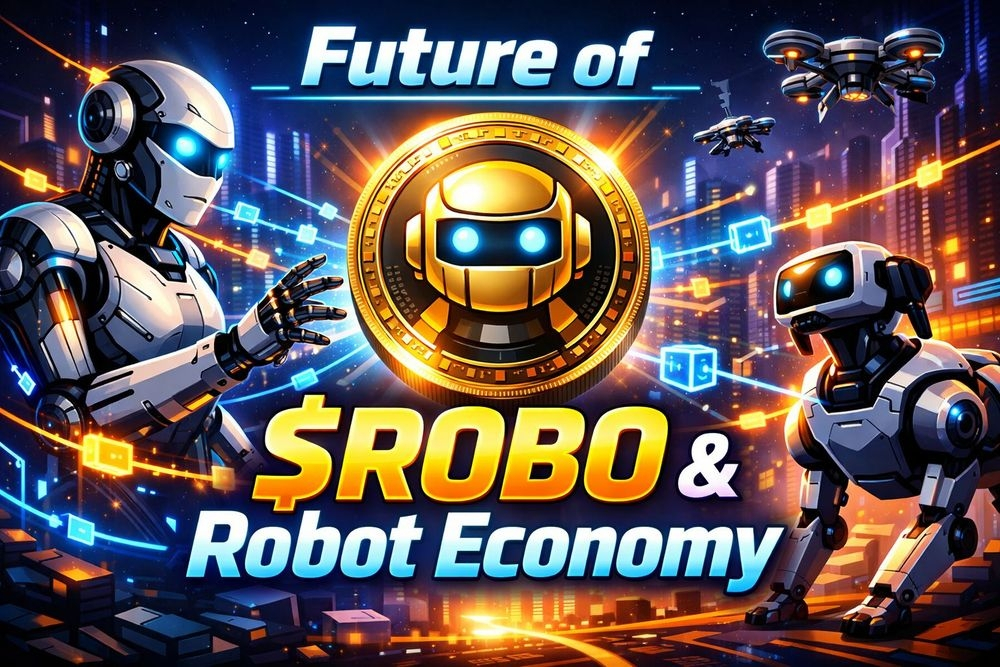
Finally, governance and accountability may ultimately determine the protocol’s long-term viability. A decentralized AI infrastructure requires transparent decision-making processes and mechanisms that ensure responsible oversight of the network’s evolution.
If Fabric Protocol successfully addresses these challenges—verification, quality evaluation, decentralization, sustainable incentives, and governance—it could introduce a new paradigm where artificial intelligence operates within an open, transparent, and economically decentralized ecosystem powered by ROBO. 👀