

Bitcoin’s always been a rollercoaster. One day, everyone’s buzzing with excitement; the next, the mood flips to panic and doubt. These wild mood swings have fueled some of the biggest rallies—and the harshest crashes—in crypto history. Lately, there’s a technical signal catching people’s attention because it says Bitcoin’s now more stretched to the downside than it’s been in over a decade.
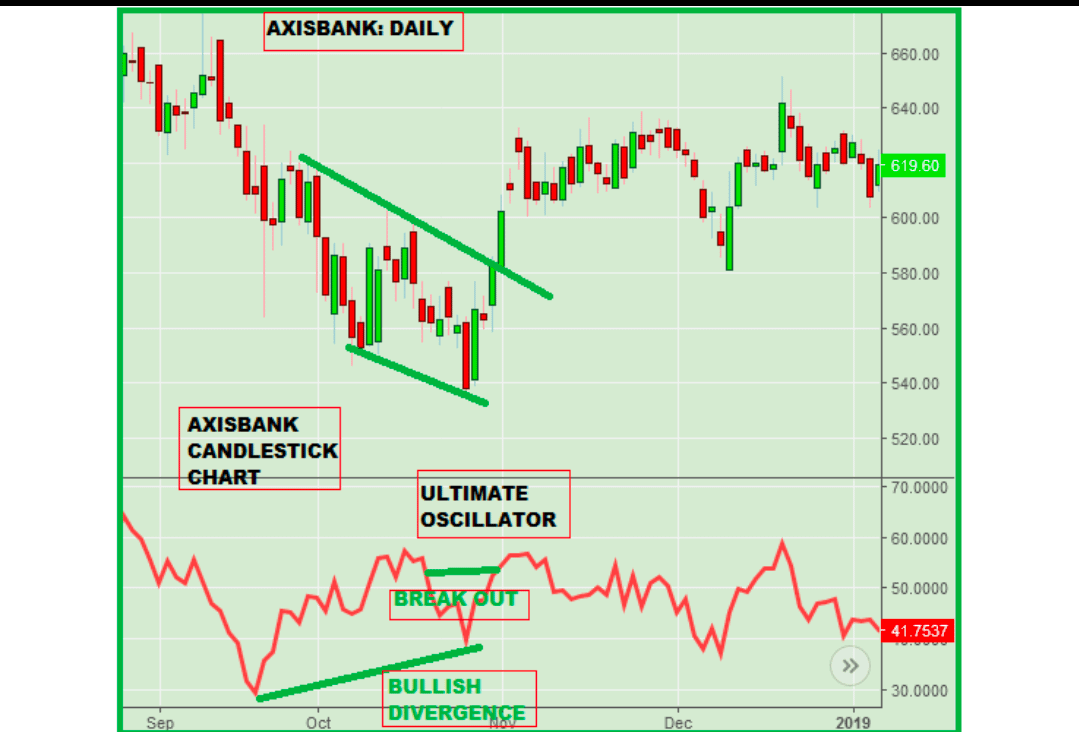
That signal is the Ultimate Oscillator. If you look at the latest charts, it’s flashing Bitcoin’s most oversold reading in more than eleven years. For hardcore chart-watchers, that’s rare.
What’s the deal with this indicator? Basically, it measures momentum but doesn’t just look at quick price moves. It blends short, medium, and long-term data, so you get a fuller picture of what buyers and sellers are up to. When the reading drops this low, it means people are dumping Bitcoin much harder than usual.
In plain English: the market’s probably pushing things too far in one direction.
Signals like this usually pop up when panic sets in. People start selling fast, liquidations pile up, and suddenly everyone’s convinced prices will keep crashing. Social media gets loud with fear, and the spiral feeds on itself.
But here’s the thing—these emotional wipeouts tend to show up near big turning points. Look back at old Bitcoin cycles. When the market’s gotten this oversold, it’s often been during nasty corrections. Each time, Bitcoin eventually found its footing and started recovering, as patient long-term investors slowly returned.
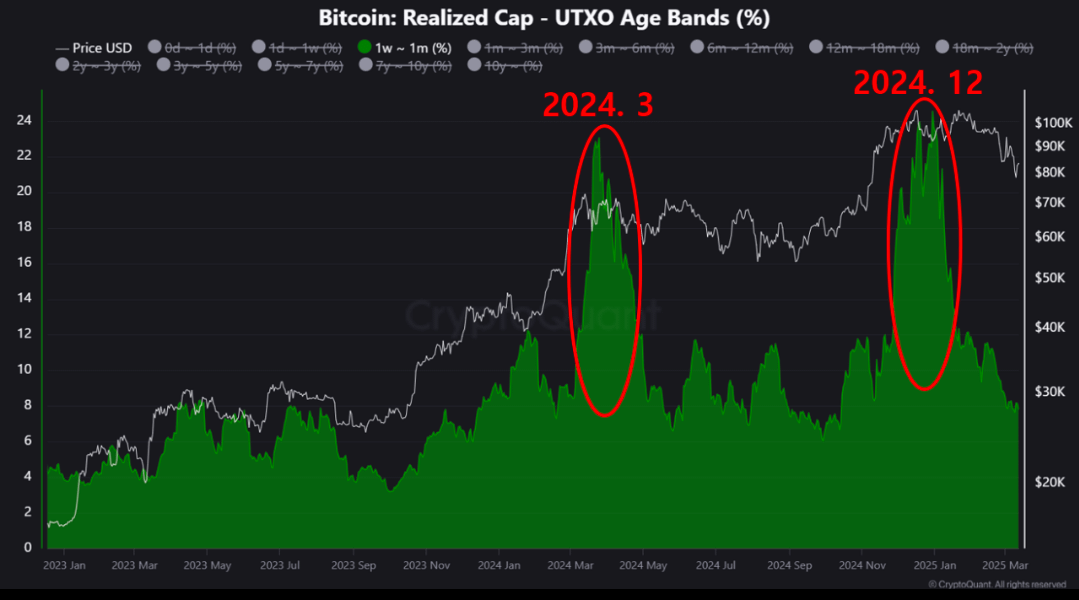
Of course, just because it happened before doesn’t mean it’ll play out the same way now. Every cycle’s different. There’s a lot going on—global economic worries, interest rates, geopolitics, and the general mood in traditional markets all affect crypto. When people get nervous about the world, risky stuff like Bitcoin feels the hit first.
Plus, the crypto market itself isn’t quite what it used to be. Liquidity isn’t always as deep as it was in past bull runs. After taking some big hits over the years, traders are more cautious. When those leveraged bets start getting wiped out in a sell-off, you see technical indicators dive to extremes in a hurry.
Still, just because the market’s oversold doesn’t mean a bounce is coming right away. These indicators track momentum, not guarantees. Sometimes, markets stay oversold longer than anyone expects, especially if bigger economic worries are hanging over everything.
That’s why the pros don’t just watch one signal. They mix in trading volume, support zones, on-chain data—a whole toolkit—to figure out their next move.
But you can’t ignore it: Bitcoin flashing its most oversold signal in eleven years is a big deal. It says selling pressure is off the charts. When things get this stretched, some investors start to wonder if the balance between risk and opportunity is shifting.
Bitcoin’s lived through plenty of fear and recovery cycles. Funny enough, the scariest moments often set the stage for the most important moves later on.
So, will this signal kick off a recovery, or is it just a pit stop before more volatility? Hard to say. But one thing’s for sure: the crypto market knows how to throw a mood swing, and traders are glued to every sign that the tide might finally turn.