
For years, the idea that machines could participate in the economy has sounded like science fiction. Robots building products, AI making decisions, and autonomous systems interacting with financial networks were concepts reserved for futuristic films and speculative research labs. But recently, something has started to change. Artificial intelligence is becoming more capable, robotics is advancing faster than most expected, and digital infrastructure is evolving in ways that could allow machines to operate with a level of independence that once seemed impossible. In the middle of this shift, the narrative around ROBO is beginning to attract attention.
The real story behind ROBO is not simply about another token trying to capture market hype. What makes it interesting is the broader direction it points toward. As AI systems become more autonomous, they will increasingly need a way to interact with digital systems, data networks, and eventually economic frameworks. Machines that can analyze information, execute tasks, and optimize decisions will also need infrastructure that allows them to coordinate and exchange value. Without that layer, even the most advanced AI will remain limited to isolated systems.
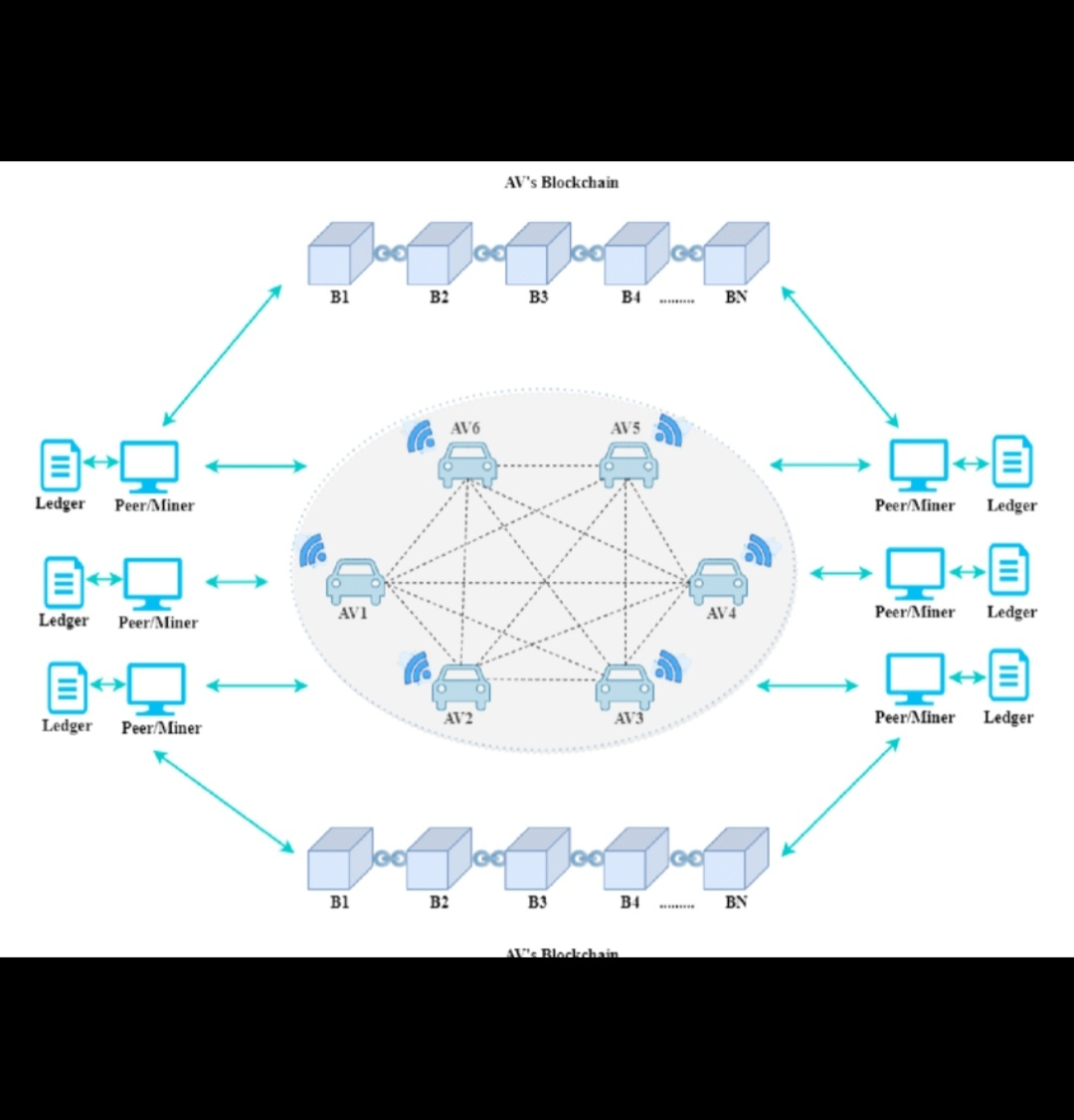
This is where the concept of the machine economy begins to take shape. A machine economy is essentially a network where autonomous systems can interact, transact, and operate within digital environments without constant human intervention. Imagine fleets of delivery robots negotiating routes and payments automatically, AI agents managing resources in real time, or industrial robots coordinating production based on decentralized data flows. These scenarios sound futuristic, but many of the underlying technologies are already being developed today.
The reason this narrative matters for ROBO is that infrastructure often becomes the most valuable layer in technological transitions. When the internet was emerging, the most impactful companies were not necessarily those building websites, but those providing the underlying systems that allowed the internet to function at scale. In a similar way, if a machine-driven economy begins to form, the protocols enabling machine coordination and machine-to-machine interaction could become extremely important.
Another factor that makes this space intriguing is the timing. Artificial intelligence has entered an acceleration phase. From large language models to autonomous agents, the capabilities of AI systems are expanding rapidly. At the same time, robotics is moving beyond industrial factories and entering real-world environments like logistics, healthcare, agriculture, and urban infrastructure. When these two forces combine, the number of autonomous machines interacting with digital systems could increase dramatically over the next decade.
However, technology alone does not automatically create an economy. Systems need mechanisms for identity, coordination, incentives, and trust. Humans rely on financial networks and legal frameworks to interact economically. Machines will need something similar, but optimized for automated interaction rather than human negotiation. This is where blockchain-style architectures and decentralized coordination models begin to make sense. They provide a neutral environment where autonomous entities can interact without relying on a central authority.
In my view, this is exactly why the ROBO narrative deserves attention. It is not about short-term speculation or chasing trends. It is about recognizing that the relationship between machines and digital economies is changing rapidly. If AI agents and robots become participants in the global economy, the infrastructure supporting them could become one of the most important technological layers of the next decade.
Of course, the path forward will not be simple. Building infrastructure for machine economies requires solving complex problems around security, scalability, identity, and coordination. Autonomous systems must be able to operate safely while interacting with financial networks and data systems. That requires robust frameworks, careful engineering, and long-term thinking. Many projects attempting this will fail before the right architecture emerges.

Yet historically, the earliest signals of a new technological paradigm often look small and experimental. The early internet looked fragmented and uncertain. Early mobile computing seemed limited and impractical. But over time, the infrastructure matured and completely reshaped global economies.
This is why I believe narratives like $ROBO should not be dismissed too quickly. When a project starts aligning with larger technological shifts—like AI autonomy, robotics expansion, and decentralized coordination—it becomes part of a much bigger conversation about the future of digital systems.
We are moving toward a world where machines will not just assist human activity but actively participate in economic networks. When that transition accelerates, the infrastructure enabling machine interaction could become one of the most important layers of the digital economy.
And if that future unfolds the way many technologists expect, the question will no longer be whether machines can participate in the economy.
The real question will be which infrastructure allowed them to do it first.