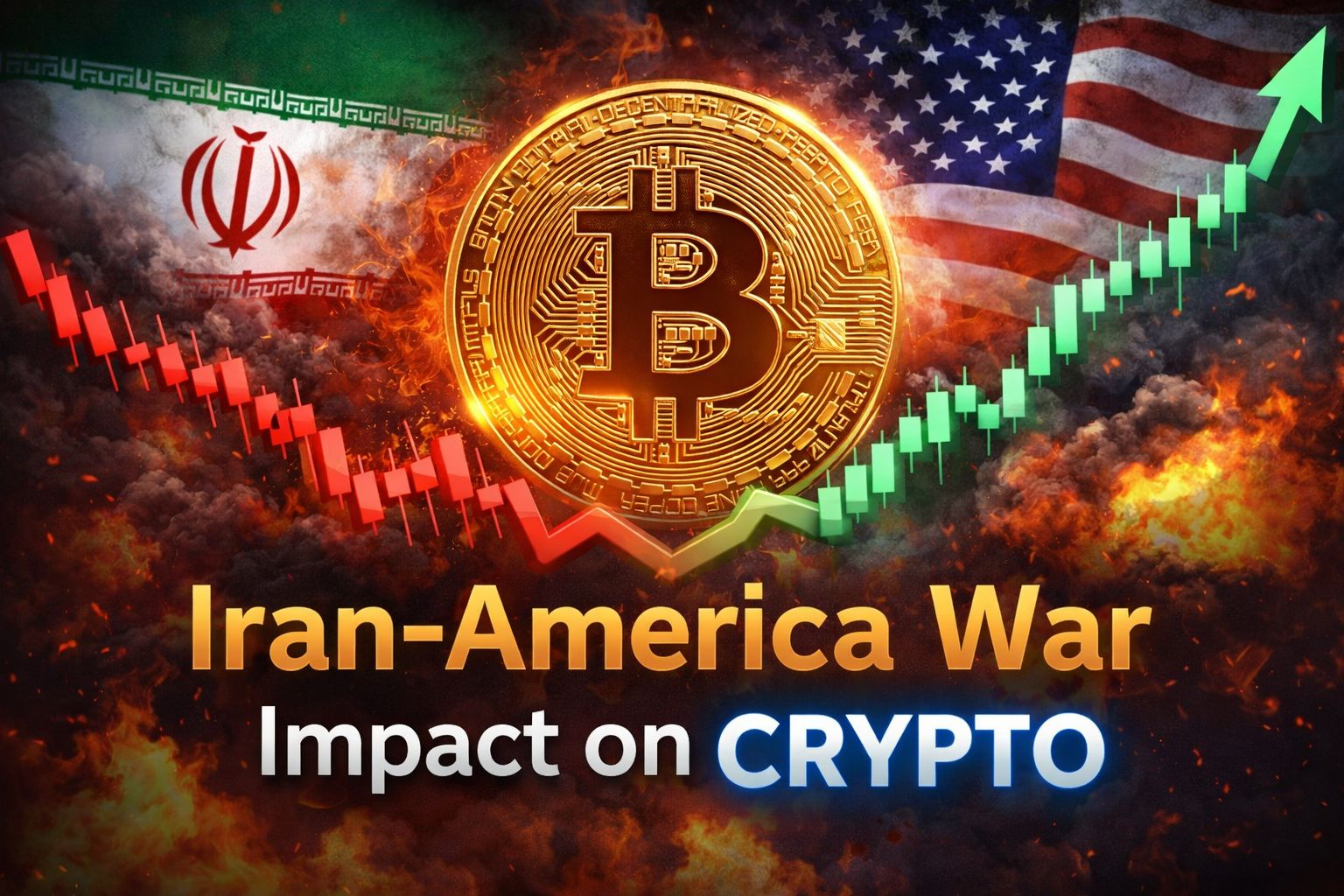
The rising tension between Iran and America has started influencing global financial markets, including cryptocurrency. Whenever geopolitical conflict increases, investors often move their money into alternative assets. In recent days, the crypto market has shown higher volatility as traders react to the war related news and uncertainty in global markets.
One major effect is the increased interest in decentralized assets. During geopolitical crises, people sometimes prefer cryptocurrencies because they are not controlled by governments or traditional banking systems. In regions affected by sanctions or economic pressure, crypto can become a tool for cross border transactions and preserving value.
At the same time, risk sentiment also plays an important role. When global fear rises, some investors sell risky assets including altcoins and move to safer positions such as stablecoins or major cryptocurrencies like Bitcoin. This can cause sudden price swings across the market.
Another factor is the energy market. Conflict in the Middle East often impacts oil prices, which can indirectly affect crypto mining costs and overall market sentiment. Higher energy prices may increase mining expenses, especially for proof of work networks.
Overall, the Iran–America conflict could bring short term volatility to the crypto market, but historically geopolitical tensions have sometimes increased long term interest in decentralized finance and digital assets. Traders should watch global news closely and manage risk carefully during uncertain times. 📊🚀