


The first time I read about Fabric Protocol I was not really looking for robotics projects Most of the time when robotics appears in crypto conversations it feels more like a future narrative than something practical But after thinking about it for a while the idea behind Fabric started to make more sense
When people talk about the future of robotics the focus is usually on intelligence Machines becoming smarter learning faster moving more naturally through the world But once robots begin operating outside controlled environments another question appears
How do those machines actually participate in systems that humans already use every day
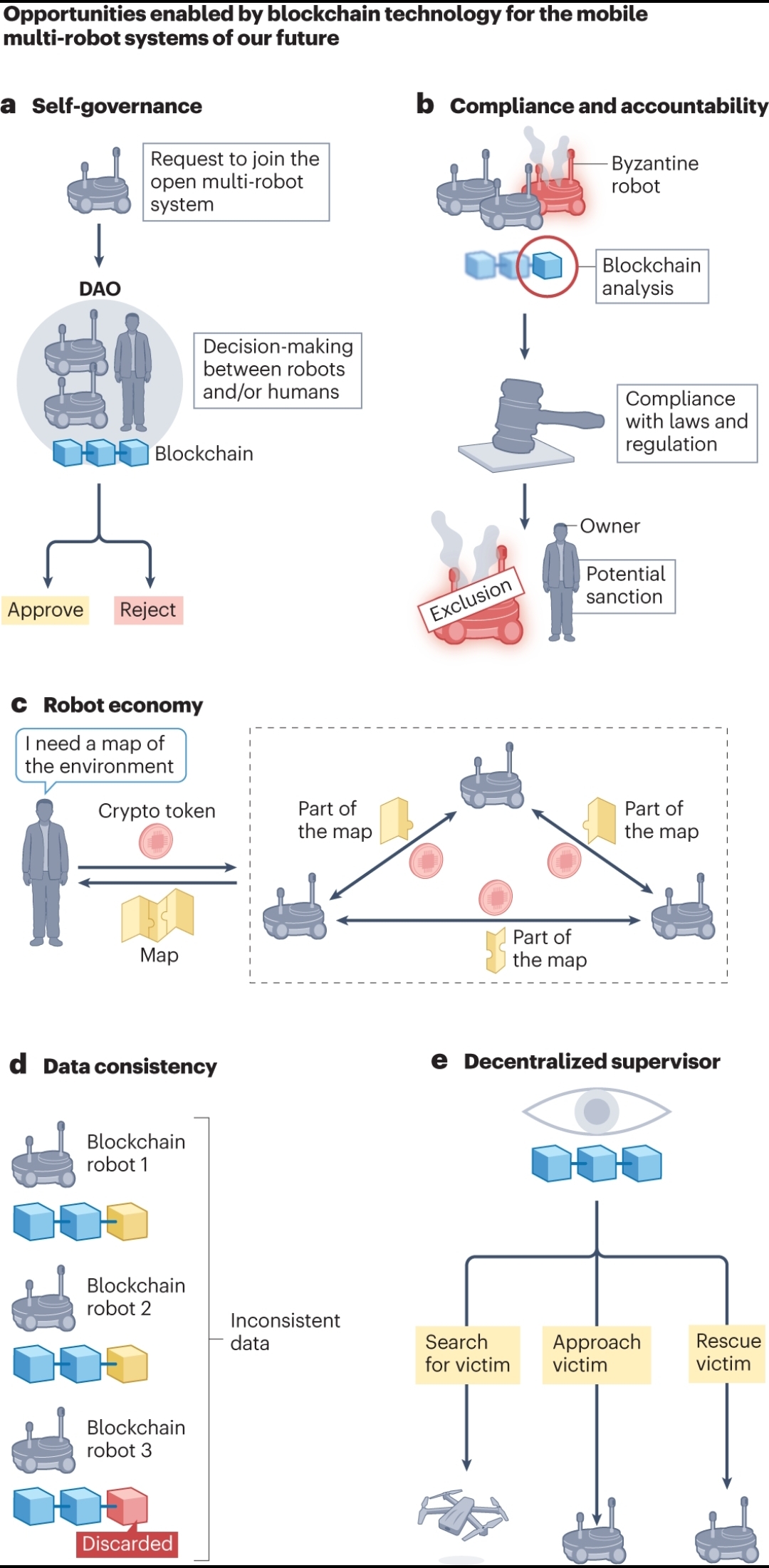
Humans have identity systems financial accounts and rules that allow us to interact with the economy We can receive payments prove who we are and participate in networks of work and services Robots do not have those systems
A robot cannot open a bank account A robot cannot hold a passport A robot cannot easily send or receive payments through traditional infrastructure
That gap is where Fabric Protocol begins to feel interesting The goal of the network is to build open infrastructure where robots developers and operators can coordinate through shared systems instead of isolated company platforms
Fabric is supported by the Fabric Foundation which focuses on creating a global open network for building and governing general purpose robots Rather than concentrating only on hardware the project is building the layer where machines and software agents can interact safely with human systems
Inside this ecosystem the token ROBO becomes an important piece of coordination It works as the utility and governance asset that powers activity across the network
One of the simplest roles of ROBO is handling network fees As robots interact with the Fabric network they may need to send payments verify actions or maintain onchain identities Every transaction inside the system requires fees which are paid using ROBO
Another part of the design is the coordination mechanism Participants who want to interact with the network can stake ROBO to access certain protocol functions and help coordinate the activation of robotic systems This staking does not represent ownership of the robots themselves Instead it aligns incentives between people contributing to the network
As the ecosystem grows developers and businesses that want to build applications around robotic capabilities will also need to buy and stake ROBO This requirement creates a system where builders participating in the network have long term alignment with the success of the protocol
Participants can also contribute to different forms of work inside the network These contributions might include developing robotic skills providing useful datasets supplying computation validating information or completing tasks that robots perform
Governance is another important layer of the system The vision behind Fabric is to create open infrastructure rather than a closed platform controlled by a single company Through ROBO the community can participate in decisions that shape how the network evolves including operational rules and protocol parameters
What makes Fabric interesting is the perspective it takes on robotics Instead of focusing only on the machines it focuses on the environment where those machines will operate
If robots eventually become common across industries and infrastructure they will need identity systems payment networks coordination mechanisms and governance frameworks
Fabric Protocol is essentially building the foundation for that future robot economy where machines can interact with digital systems in a way that is transparent verifiable and open to participation