

#mira @Mira - Trust Layer of AI

A Closer Look at Mira Network’s Ecosystem, Tech, and MIRA TOKEN for Crypto Fans and Early Adopters
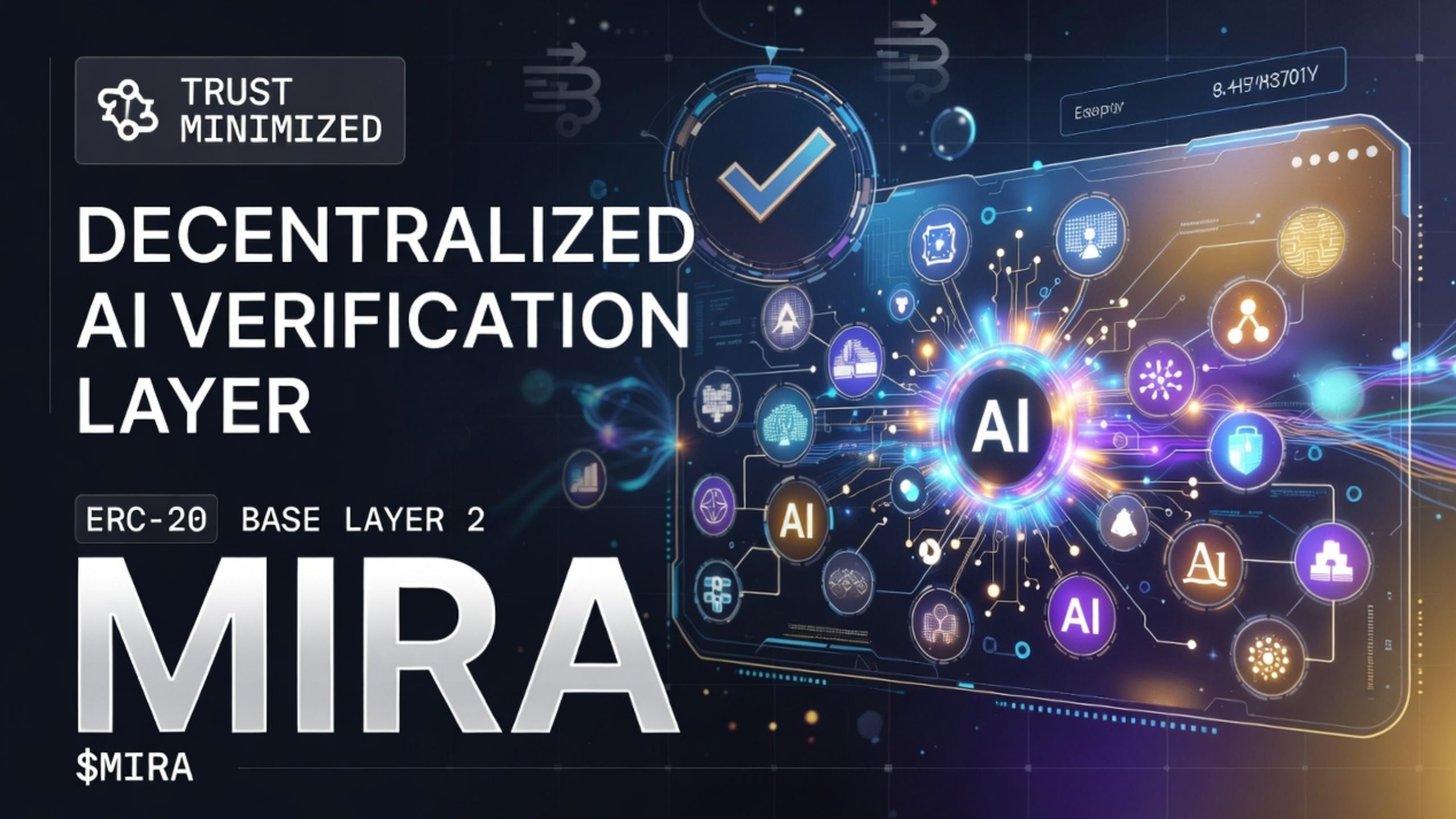
Why Mira Network Stands Out in 2026
Crypto in 2026 feels like it’s moving at warp speed. DeFi, blockchain, AI—they’re all blending together, but there’s still one big headache: most networks can’t nail security, scalability, and user-friendliness at the same time. If you’re trading, building, or just keeping an eye on Web3, finding a project that actually delivers all three is a rare win.
That’s where Mira Network comes in. Mira promises a decentralized ecosystem that’s not just about hype. The idea is to make liquidity, security, and incentives work hand-in-hand, while giving both users and developers tools they actually want.
What Makes Mira Different
Mira’s real strength is in its mix of transparent tokenomics and scalable tech. This isn’t just another chain built for wild price swings. It’s aiming to power real applications, staking, and smooth cross-chain moves, all with long-term sustainability in mind.
The Problems Mira Tries to Fix
Even with all the buzz, crypto still runs into the same old issues:
- Liquidity is split up across a bunch of DEXs.
- Staking and rewards can be confusing for newcomers.
- Smart contract security still keeps people up at night.
- Cross-chain tools are often clunky and slow.
Mira wants to tackle all of these inside one ecosystem.
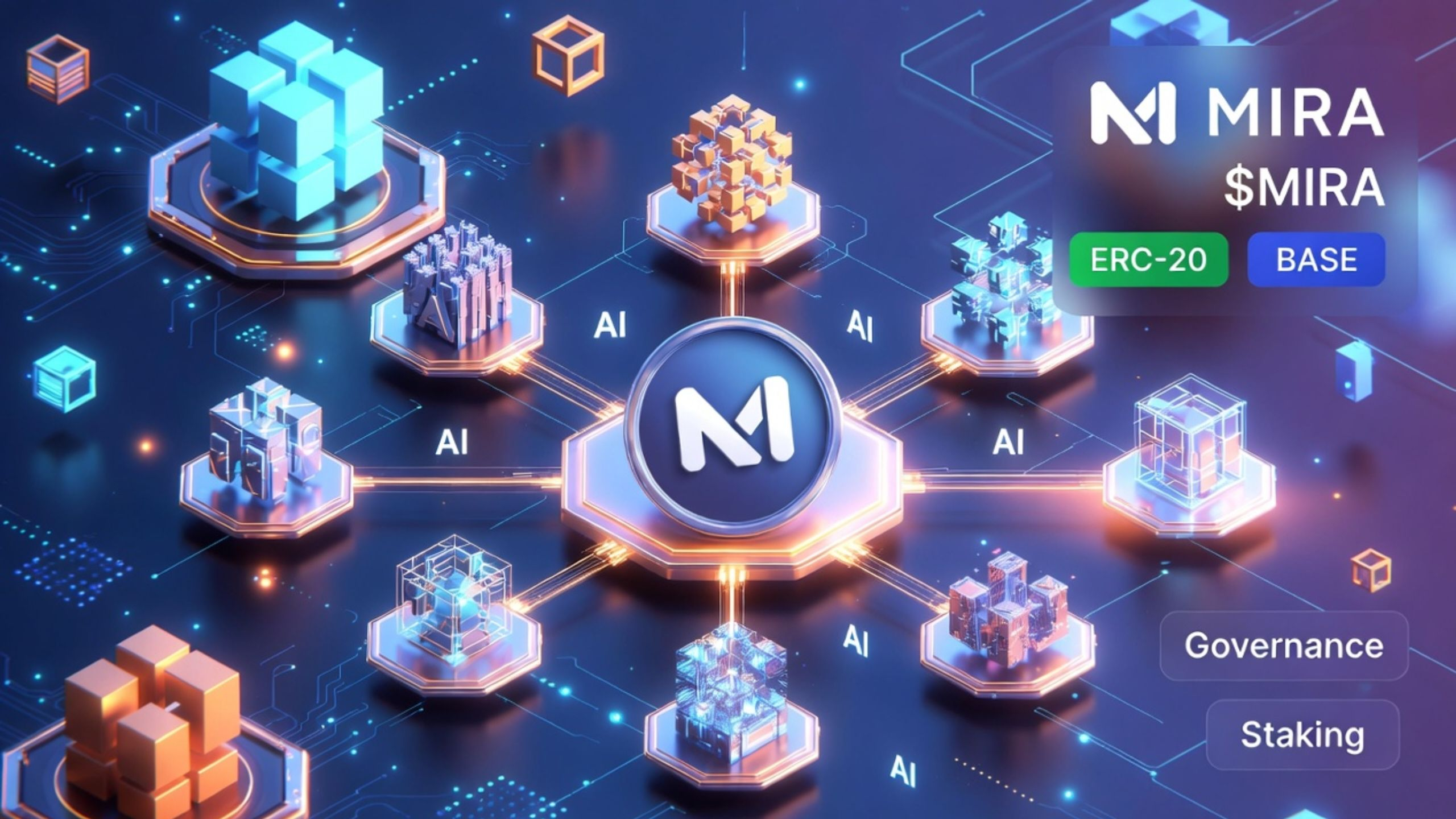
1. Mira Core Blockchain
A modular, scalable chain that supports smart contracts. Fast transactions, low fees, and dApps run smoother here.
2. $MIRA Token
This is the backbone. You use it for governance votes, staking, and earning rewards—all while keeping the network healthy.
3. Cross-Chain Bridges
Mira links up with Ethereum, BNB Chain, and more. Moving assets or liquidity between chains is way less hassle.
4. Decentralized Governance
Token holders get a real say in upgrades and treasury moves. Community rules—no single point of failure.
Mira puts a big focus on security—think multi-layer audits, bug bounties, and decentralized validators. Community oversight and regular code reviews help keep the network safe.
This isn’t a “build it and hope” story. Mira’s team has a game plan:
- Staking and liquidity rewards to attract users
- Partnerships with DeFi and NFT projects
- Education and onboarding for developers
The goal? Bring in both regular users and builders, not just speculators chasing quick gains.
Mira launched in 2024 as a simple DeFi project but didn’t stay in its lane for long. It grew into a multi-layer ecosystem, adding staking, governance, and cross-chain features—always adapting to what the market needed.
What’s the Big Deal?
Mira isn’t just another blockchain with shiny promises. It’s going for that sweet spot—scalability, security, and real community involvement.
- Staking and governance activity ramping up
- More cross-chain bridges coming online
- Fresh dApps and developer buzz
- New partnerships, especially in DeFi, NFTs, or AI
Mira Network is one to watch if you care about transparency, scale, and community. Its tokenomics, security focus, and cross-chain abilities make it stand out—whether you’re staking, trading, or building something new.
Want to see it for yourself? Check out the Mira explorer or dive into staking to get a feel for the ecosystem.
FAQs
Q: What do you use MIRA for?
A: Governance, staking, and earning network rewards.
Q: Is it beginner-friendly?
A: Yep—low fees, easy guides, and cross-chain support make it accessible.
Q: How’s the security?
A: Strong—multi-tier audits and decentralized validators help lock things down.
Q: Can you do cross-chain transfers?
A: Yes, bridges link Mira with Ethereum, BNB, and more.
Q: Do you need to stake to earn rewards?
A: Staking is the main way to earn and get involved in governance.
A 2026 review of Mira Network—covering pros, cons, $MIRA token, tech, and adoption for crypto users and developers.