
I’ve been watching Fabric Protocol for an hour. It was always one of those names that would pop up in the right circles, but nobody really had to pay attention yet.
That changed this week. Not because the token finally popped off or because some influencer yelled about it. It changed because Fabric stopped being a conversation topic and started being something the market has to actually evaluate. Not for hype reasons—for structural reasons.
Here’s what I realized: we keep talking about robotics like it’s a hardware race. It’s not. Hardware race is solved enough. The robots work. The bottleneck now is accountability.
Think about it. Once you have machines doing real stuff—deliveries, security patrols, inspections, warehouse sorting—you run into a problem that has nothing to do with motors or sensors. You run into the question of proof. Who gets paid? Who’s at fault when something breaks? How do you prove the job actually happened when the operator says it did and the client says it didn’t?
Closed platforms have an answer: trust us. We own the data. We call the shots. We’ll arbitrate behind closed doors. That works until it doesn’t, and it always ends the same way—one company owns the whole stack and everyone else pays rent.
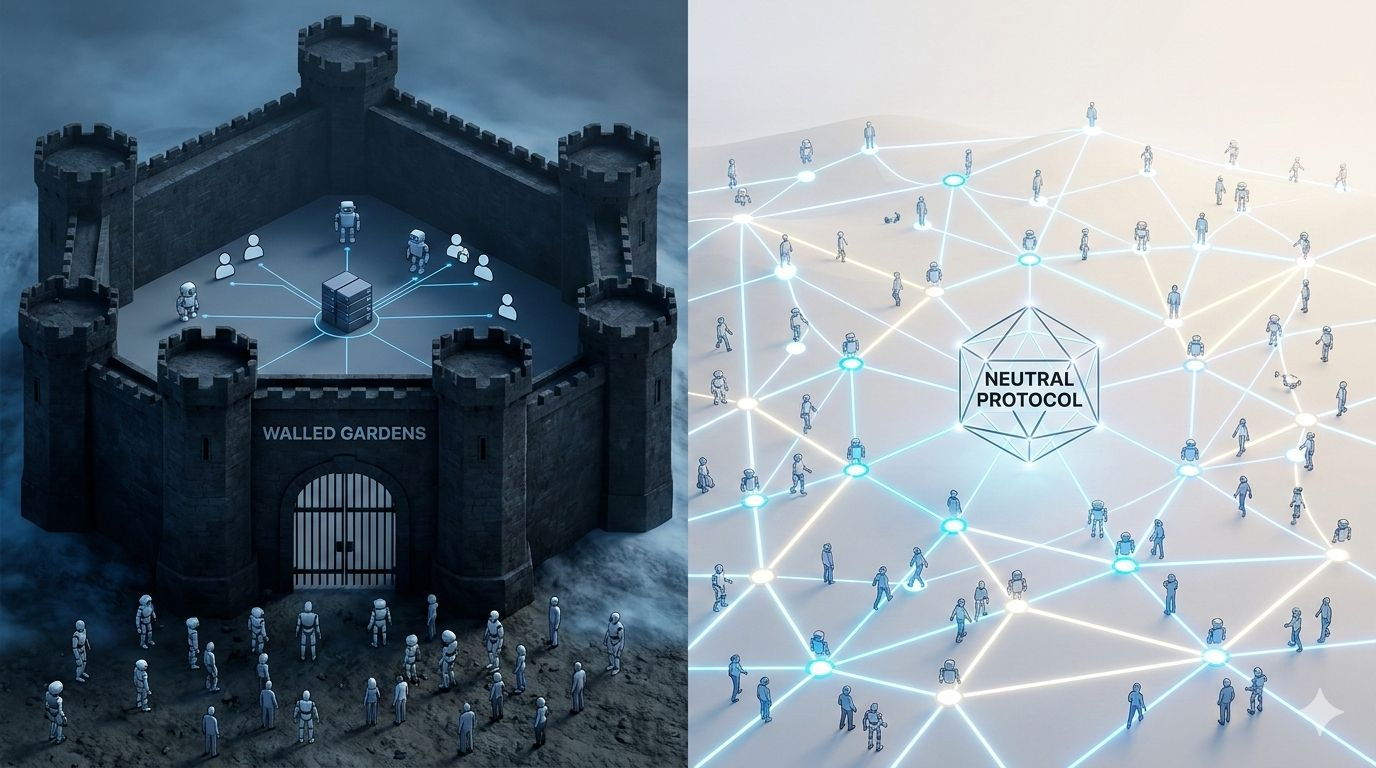
Fabric Protocol is basically betting against that future. They’re trying to build the neutral layer. The referee. The settlement rail that doesn’t care which robot showed up, only that the work happened and the payment clears.
Here’s the part that actually clicked for me.
It’s not trying to be “AI on blockchain” in the cheesy sense. It’s not selling intelligence. It’s selling structure. The whole thing rests on a simple insight: robots can’t open bank accounts, but they can hold keys.
If a machine can hold a key, it can sign messages, commit to work, get paid, and post collateral. Everything else—identity, permissions, task routing, disputes—is just building on top of that foundation.

That’s either real infrastructure or it’s nothing. There’s no middle ground here.
The bonding model is what made me stop skimming.
Open networks get wrecked by bad actors. Always. Spam, fake operators, completion fraud—it’s the same playbook every time. Fabric’s answer is refreshingly simple: if you want to participate, you post a bond.
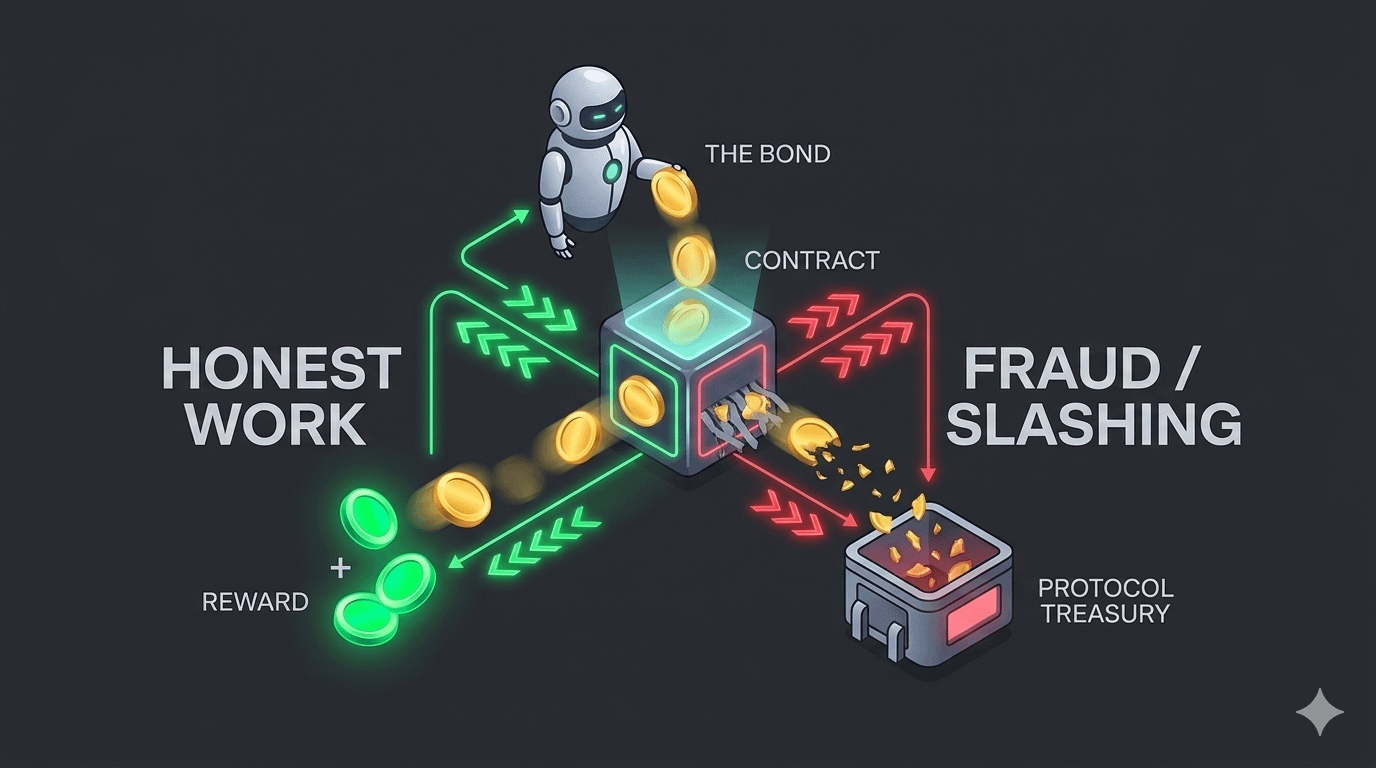
Act right, you get it back. Act shady, it gets slashed. It’s not pretty, but it’s honest. It’s basically saying demand in this network has value, and if you want access to it, you put skin in the game.
That’s also where $ROBO stops looking like a meme and starts looking like something else.
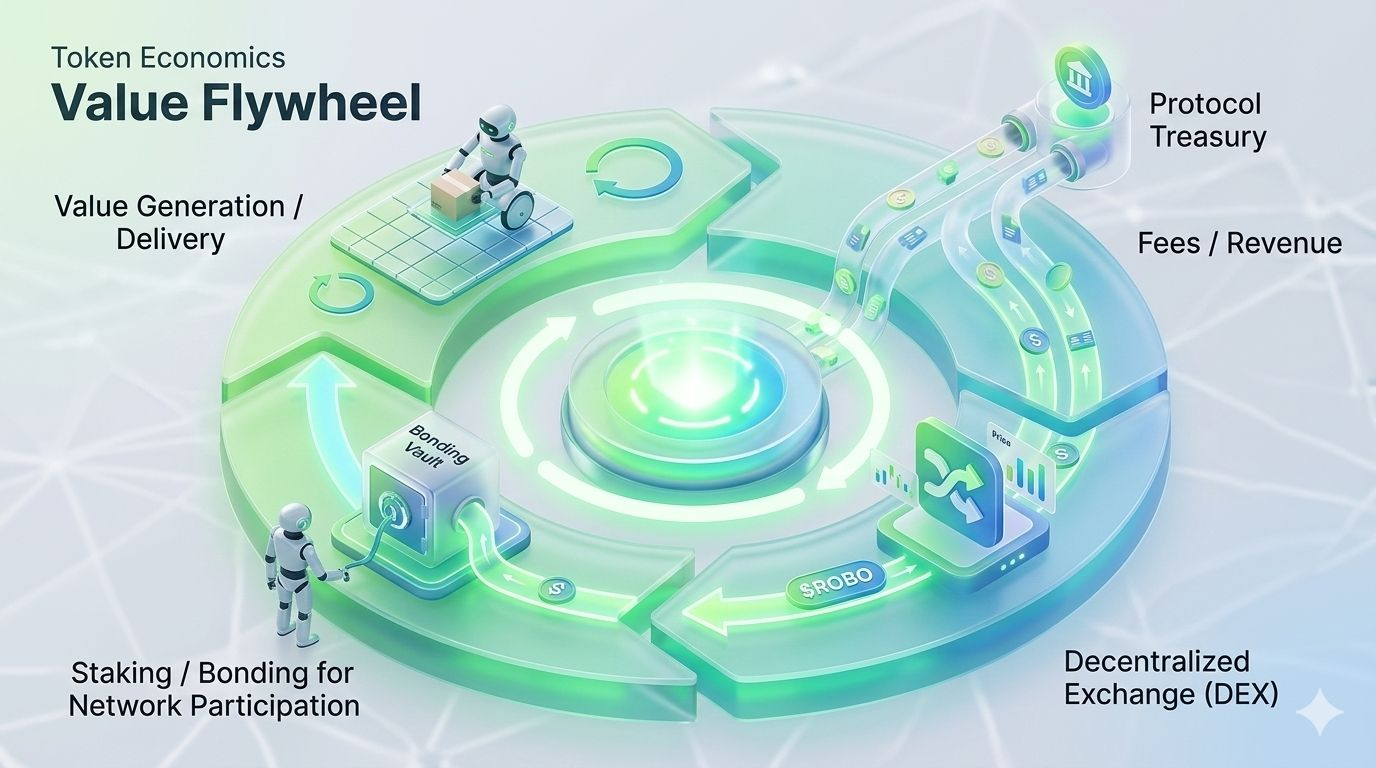
If the token is what you need for identity, for bonding, for settlement—then it’s not a souvenir. It’s fuel plus collateral plus permission. If Fabric actually gets volume, ROBO sits inside every transaction. If it doesn’t, none of the tokenomics matter. It’s just another ticker waiting for a narrative that never arrives.
One thing stood out that most people will miss.
The way they talk about value capture isn’t the usual “stake to earn” nonsense. It’s more like “earn by doing.” Verified contributions get paid. And yeah, they mention protocol revenue buying ROBO off the market. That’s a big if—revenue has to be real, not fabricated volume—but if it works, buy pressure isn’t manufactured. It’s just what happens when people actually use the thing.
But let’s be honest about the hard part.
Verification. Always verification.
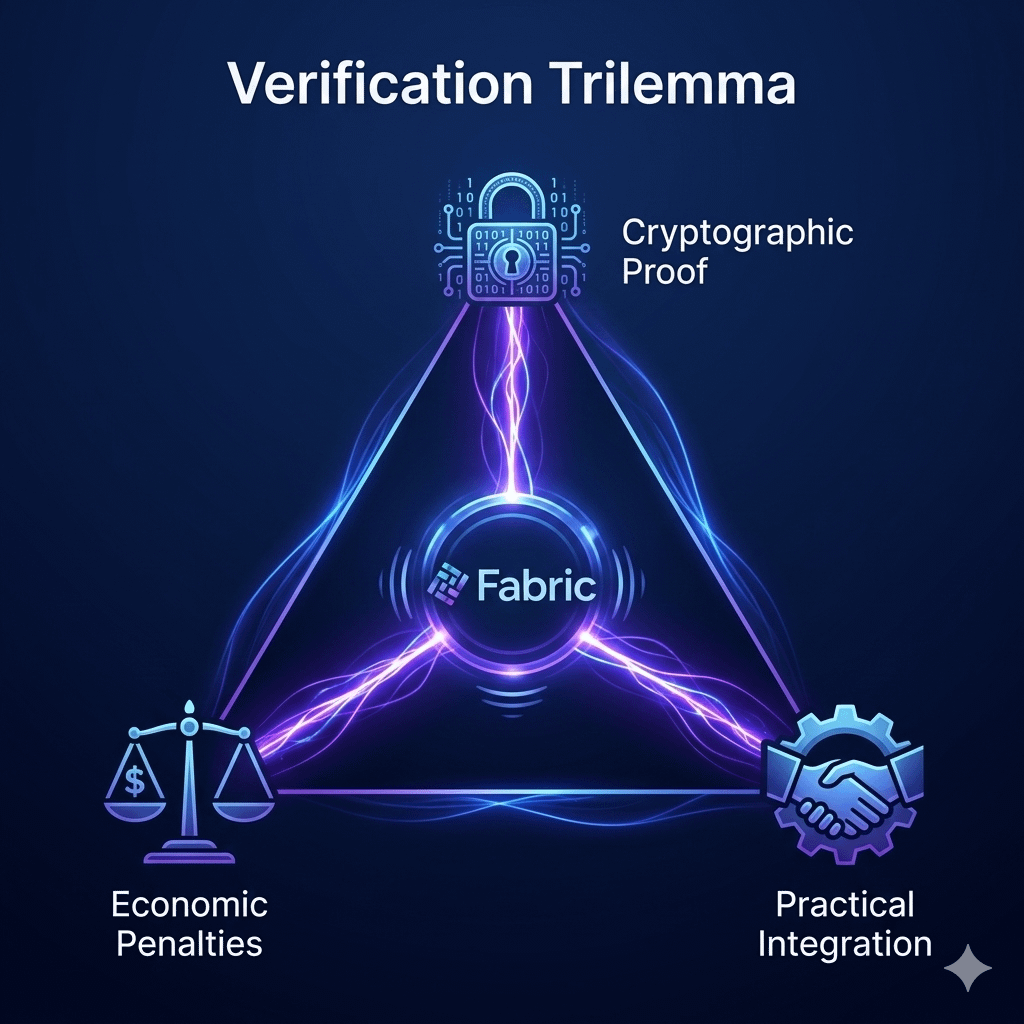
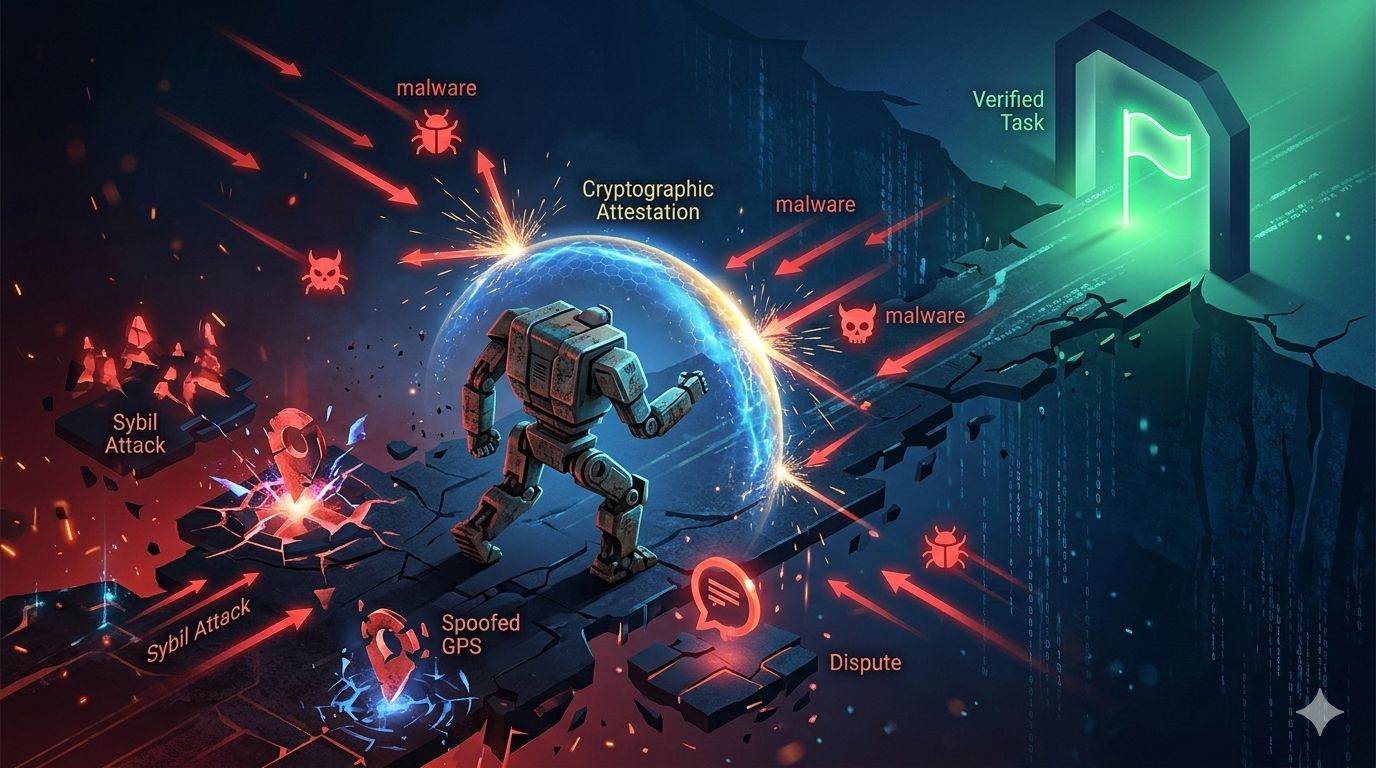
Checking a blockchain transaction is easy. Checking whether a robot actually did a patrol or completed a delivery is a mess. Sensors lie. Logs get faked. Environments are chaotic. You can’t just hash the real world and call it a day.
If Fabric leans too hard on offchain truth, people call it centralized. If they try to put everything onchain, it’s unusable. The only way out is layered proof—crypto to raise the cost of cheating, economic penalties to make fraud stupid, and real integrations that work in the field. That’s not a one-quarter roadmap. That’s years.
So when someone asks me if Fabric is just another crypto thing, I don’t give them a hype answer.
I ask a different question: does it make coordination work when people are trying to break it? If the network can handle identity, honest reporting, and disputes in a way that operators trust and users accept, then Fabric becomes the foundation for machine labor markets. That matters whether the token market is hot or cold. If it can’t, it follows the same arc as everything else—attention first, reality later, fade when the gap shows up.
Right now it’s early.
Not a diss. Just true. The market is being asked to price a future that isn’t “AI is huge,” but “machines need open settlement and enforceable rules.” If Fabric proves it in small, boring ways—bonds that work, verification that holds, disputes that resolve—it won’t need slogans. It’ll just have gravity.
@Fabric Foundation #ROBO $ROBO
