The Middle East is once again standing on the edge of chaos. What started as a strategic military strike has now evolved into one of the most dangerous conflicts of the decade.
On February 28, 2026, Israel reportedly with support from the United States launched a massive military operation targeting Iranian military bases, missile facilities, and security centers across Tehran and other cities. The operation shocked the world and instantly triggered retaliation from Iran.
Within hours, Iran responded with waves of ballistic missiles and drones, targeting Israeli territory and American military bases across the region. Air defense systems activated across Israel while millions of civilians rushed into bomb shelters.
But the conflict did not stop there.
The war quickly expanded beyond two countries. Iranian-aligned groups in Lebanon and Iraq joined the battlefield, while explosions and drone interceptions were reported across multiple Gulf states. Oil routes and regional security have now become highly unstable.
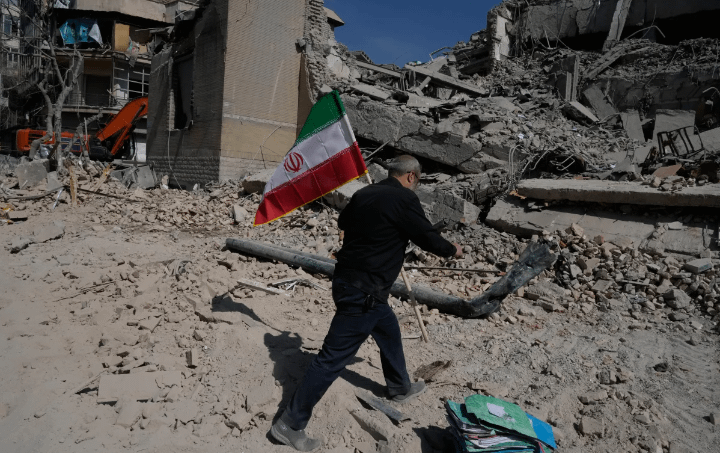
Casualties continue to rise as airstrikes intensify. Reports indicate thousands of injured and over a thousand deaths, with infrastructure, hospitals, and residential areas severely damaged.
Global leaders are urging restraint, but diplomacy appears distant. Military mobilizations are increasing, airspaces are closing, and international markets are reacting sharply.
Experts warn that if escalation continues, this conflict could reshape the geopolitical balance of the Middle East and potentially drag more global powers into the crisis.
One thing is clear:
The Iran–Israel war is no longer a shadow conflict.
It has become a full-scale regional confrontation.
And the world is watching what happens next.
#USIranWarEscalation #StockMarketCrash #KevinWarshNominationBullOrBear #AIBinance #MarketRebound