
I’ve been following how robotics is evolving beyond the big factory floors and shiny demo videos. Most setups today are still locked inside one company’s ecosystem – think of all those warehouse bots or delivery drones that only talk to their own servers. Fabric Protocol is trying something genuinely different by building an open, global network where general-purpose robots can be created, run, and improved by lots of people working together.
The non-profit Fabric Foundation backs it, which already sets a different tone from the usual venture-backed token plays. The core idea uses verifiable computing and what they call agent-native infrastructure to handle data, processing power, and basic rules on a public ledger. That sounds technical, but it basically means robots can prove what they did, get paid fairly for tasks, build reputations, and coordinate without someone in the middle owning everything.
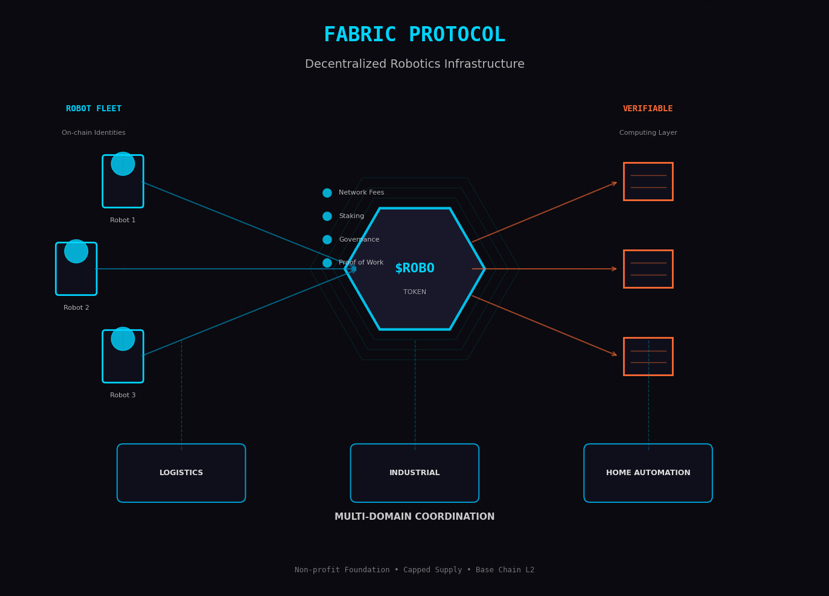
Imagine a world where your home assistant robot, a small delivery unit, or even an industrial arm from different makers can share certain kinds of work or data securely – not because one corporation allows it, but because the protocol enforces trust at the protocol level. No single point of failure, no black-box decisions. That’s the long game here.
$ROBO is the token that keeps the whole thing moving: you stake it to help govern, pay network fees with it, earn it by contributing compute or useful data, things like that. It’s not trying to be another meme coin; it’s priced in as the fuel and the voting power for people actually building or running robots on the network.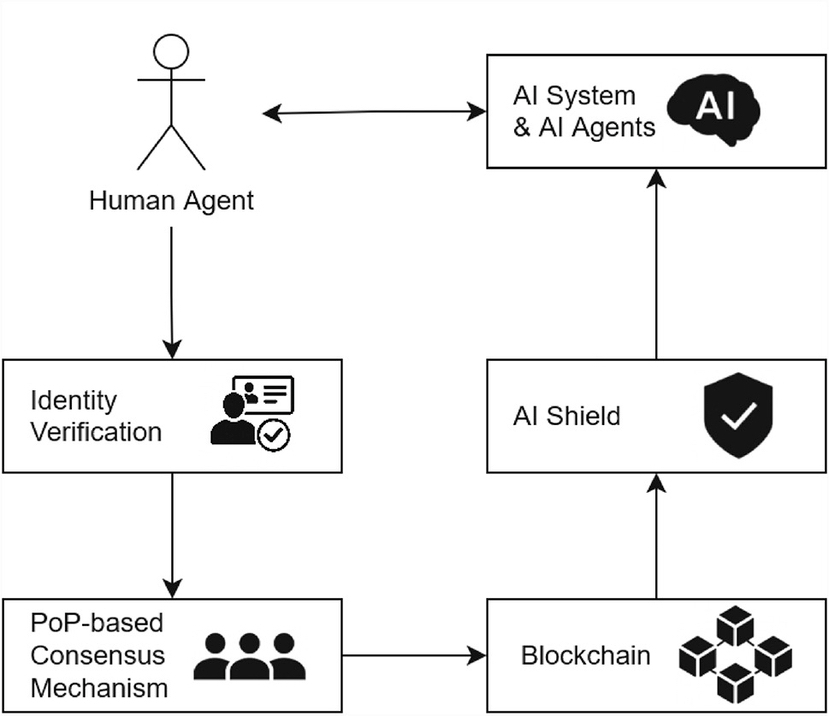
What stands out to me is how this could quietly change things once embodied AI gets more common. Right now everyone’s excited about chat models that talk, but the next jump is machines that move and touch the real world. When that happens at scale, we’re going to need ways to stop chaos – ways to verify behavior, reward good actors, punish bad ones, and let lots of developers improve the same base intelligence without forking everything into silos.
Fabric isn’t promising robot overlords tomorrow. It’s more like laying down plumbing and electrical standards so different builders can plug in and the whole system doesn’t catch fire when you connect more pieces. That kind of unglamorous but necessary work usually decides which networks actually last.
If you’re into the intersection of crypto, AI, and physical hardware, this one feels worth tracking. Not hype-heavy, but solving real coordination problems that are coming whether we like it or not.@Fabric Foundation Protocol #ROBO