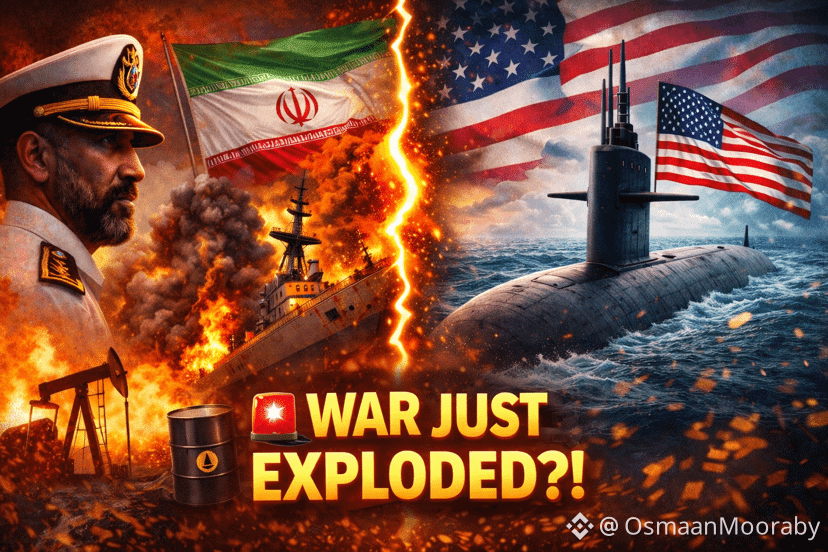
The conflict between Iran and Israel is now spreading beyond the two countries, creating risks for Gulf monarchies, energy infrastructure, and the global economy.
Iran’s logic is clear: if the United States is a participant in the war, then its regional bases become legitimate targets — which means the Gulf region, including the Strait of Hormuz.
The United States and Israel have reportedly carried out strikes on more than 2,000 targets, including military bases, missile systems, naval vessels, and defense infrastructure.
In response, Iran has launched missile and drone attacks, particularly targeting U.S. bases in the Gulf region and areas near the United Arab Emirates (UAE) and Saudi Arabia.
Reports suggest that thousands of people have been killed or injured during the conflict, with many civilians in Iran also affected.
Gulf states are seeking de-escalation, but they need a trusted messenger to help reduce tensions.
Russian President Vladimir Putin recently held phone calls with the UAE, Qatar, Bahrain, and Saudi Arabia. Moscow’s proposal is to use its partnership with Tehran to convey Gulf concerns and encourage restraint.
For the UAE, Russia emphasized that Abu Dhabi should not be used as a launchpad for attacks.
For Saudi Arabia, discussions included the “devastating consequences” if the conflict spreads further.
For all parties, Russia promised to communicate real-time “red lines.”
The goal is to create informal guardrails — protecting Gulf infrastructure and keeping non-combatants out of the crossfire.
Most countries talk to only one side. Russia, however, maintains communication with everyone.
In a crisis where miscalculation could become irreversible, that diplomatic bridge could change everything.
Meanwhile, in Lebanon, Hezbollah has launched attacks on Israel, prompting Israeli retaliatory operations inside Lebanon.
Iran has also targeted ships and oil tankers in the Persian Gulf, creating instability in global oil markets.
According to a recent survey, only 27% of the American public supports the strikes, while 43% oppose them. Many are concerned about the potential financial and human costs of a prolonged war.
The Pentagon has warned that if the war continues for another 10 days, U.S. missile resources could start running low.
An Iranian representative has stated that the United States has not yet offered any proposal for peace negotiations.
The conflict has also severely affected civilian populations across the region, leading several countries to evacuate their citizens.
Global oil prices have risen sharply due to risks around the Strait of Hormuz, a critical passage through which a significant portion of the world’s oil supply flows.