
Robotics is moving fast in 2026. AI is no longer just software it’s stepping into the physical world through machines that can work, move, and transact. As labor shortages grow and industries demand higher efficiency, robotics is becoming a core layer of the global economy.
But scaling robots isn’t only about hardware or models. It’s about infrastructure.
When autonomous systems complete tasks, settlement must be clear and reliable. If payouts remain uncertain, systems fall back on escrow, delayed releases, and manual checks. Over time, automation quietly turns into financial operations. Instead of robots executing tasks end to end, teams spend energy managing when money is safe to move.
This is where Fabric Foundation comes into focus. By building decentralized infrastructure for robotics verifiable robot identities, onchain payments, and open coordination it allows machines to participate directly in a shared economic network.
Robots from manufacturers such as Unitree Robotics and UBTech Robotics can operate as autonomous agents, completing tasks and receiving payments without fragile settlement layers in between.
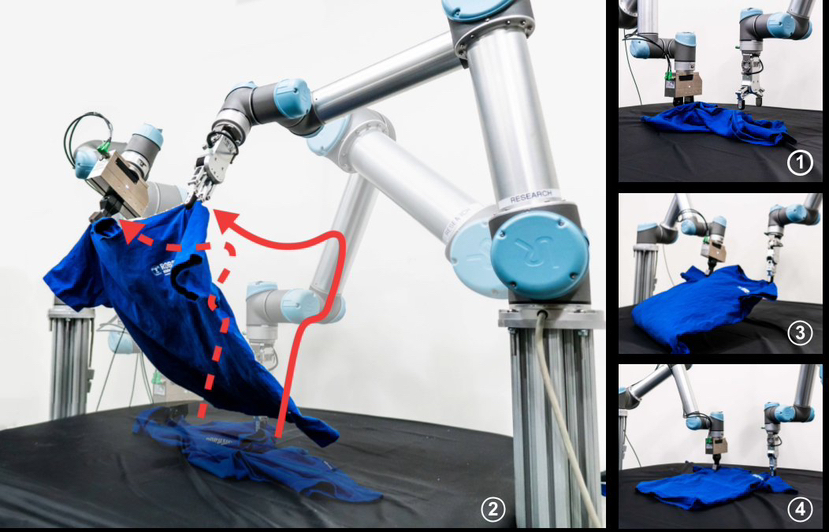
At the center of this system is $ROBO .The token supports network fees, robot identity registration, machine to machine coordination, and governance. Just as importantly, it creates incentives to resolve disputes quickly and price escrow risk correctly so holds don’t become normal workflow.
The benefits extend far beyond payments.
Robotics already drives productivity in manufacturing and logistics, where machines handle repetitive work 24/7 with consistent precision. In healthcare and service sectors, robots assist surgeries, elder care, and daily operations in systems facing workforce shortages. By taking on dangerous or repetitive tasks, robots improve safety while allowing humans to focus on creative and strategic roles.
This shift also pushes the broader transition toward Industry 4.0 where factories, warehouses, and autonomous machines operate in coordinated digital ecosystems.

Open infrastructure matters here. Without it, robotics risks becoming fragmented and controlled by a few platforms. With open standards and decentralized coordination, networks like those supported by the Fabric Foundation enable global collaboration and a more inclusive “robot economy.”
The real signal of progress will be simple: fewer settlement frictions, fewer escrow holds, and robots completing tasks with payments finalized in the same flow.
When that happens, autonomy stops looking like finance operations and starts functioning like a real economic network powered by machines.
#robo #Robo $ROBO @Fabric Foundation
