
I was making coffee this morning, staring at the steam rising from the mug, thinking how everything in life seems layered—surface calm, underlying heat, invisible currents moving it all. Then I switched tabs to Binance Square CreatorPad, scrolled to the Fabric Foundation campaign, and clicked into the task section for their project.
While reading through the details on their security framework and smart contract design—specifically scanning the mentions of modular infrastructure, verifiable computing layers, and how the public ledger coordinates agent-native elements—I paused at the part describing the proxy-like delegation in their architecture for upgrades without losing state. That moment hit me oddly. Here we are, trusting immutable code to run forever, yet building elaborate patterns to make it mutable anyway.
The uncomfortable idea that surfaced is this: in crypto we preach immutability as the ultimate trust anchor, but almost every serious project quietly engineers ways to override or upgrade it because pure immutability is too brittle for anything real-world. The very thing we sell as unbreakable becomes the thing we most need to bend.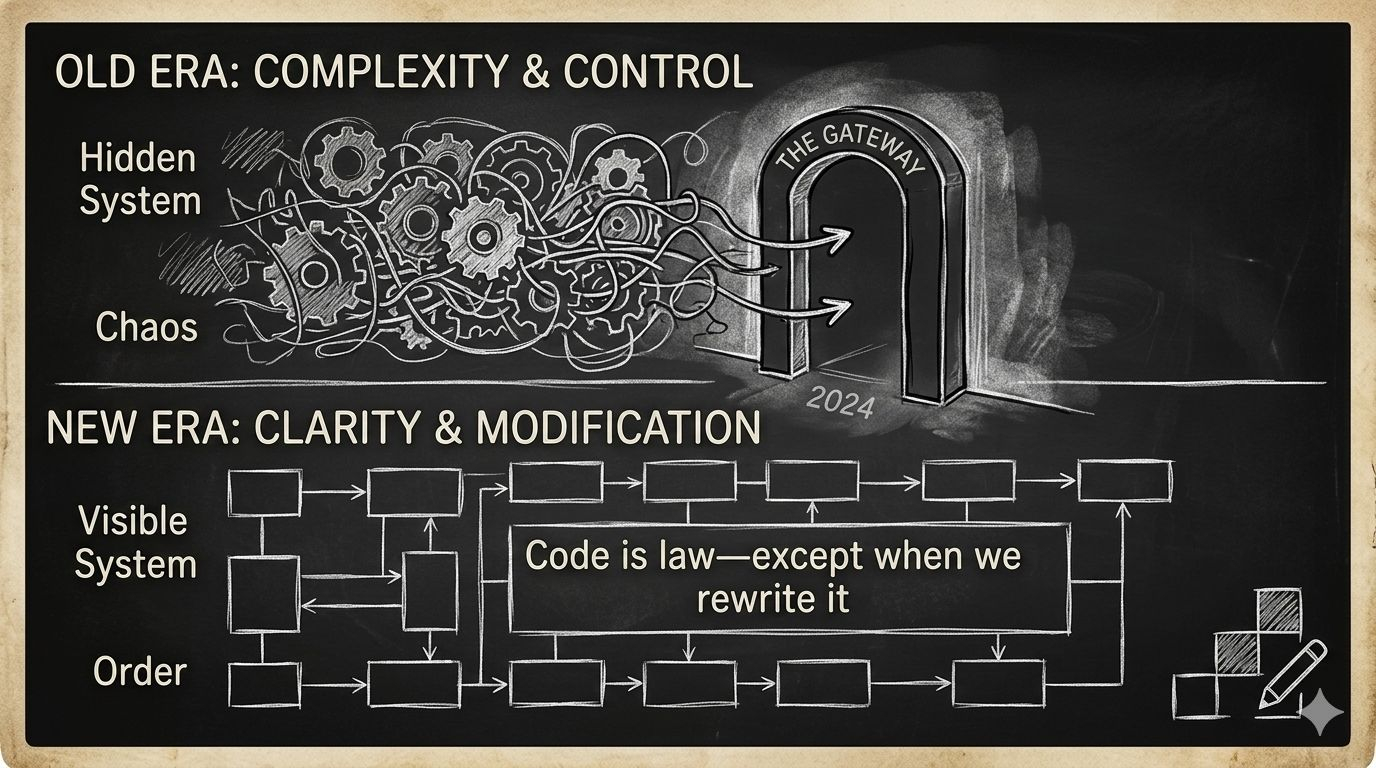
That realization expanded beyond just Fabric Protocol. Look at how many protocols use proxy patterns, admin keys, governance votes that can pause or alter logic, multisig controls hidden in plain sight. We call it "decentralized," yet the design documents reveal escape hatches everywhere—necessary ones, perhaps, but escape hatches nonetheless. The narrative stays "code is law," while the code itself gets footnotes saying "unless upgraded." It's not hypocrisy so much as survival instinct clashing with ideology.
Fabric's approach, with its emphasis on modular separation of logic and state to allow evolution in a robotics context where machines must adapt over long horizons without catastrophic redeploys, makes the tension visible. You're building for agents that might operate for decades, yet blockchain's core promise is permanence. So you add layers of indirection, verifiable handoffs, and controlled mutability—all while insisting the system remains trustless. The task of dissecting their framework forced me to confront how much mental gymnastics we do to reconcile those opposites.
In the end, the question that lingers isn't whether these escape mechanisms are good or bad. It's whether we'll ever admit that true immutability was always more marketing than engineering reality, and if accepting controlled evolution would actually build more resilient systems instead of pretending the code can never change. #robo $ROBO @Fabric Foundation