
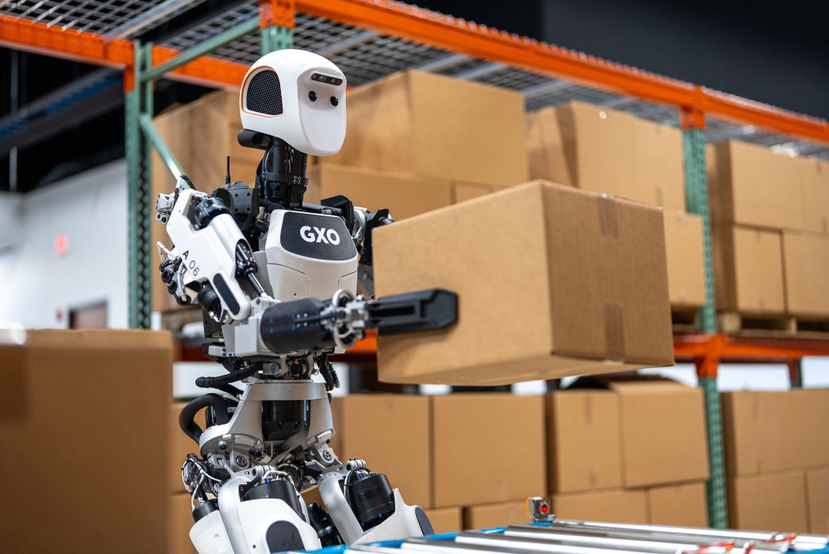
 Robotics is revolutionizing industries in 2026, merging AI with physical machines to address labor shortages, boost efficiency, and drive economic growth. The global robotics market, already valued at tens of billions, is accelerating toward widespread adoption in manufacturing, logistics, healthcare, and beyond—powered by open ecosystems like @FabricFDN.
@Fabric Foundation , a non-profit advancing open robotics + AGI, builds decentralized infrastructure for safe, aligned human-machine collaboration. Through verifiable identities, on-chain payments, and governance, it enables robots from manufacturers like Unitree, UBTech, and others to operate as autonomous economic participants in a truly inclusive “Robot Economy.”
$ROBO , the core utility and governance token, fuels this vision: paying network fees, registering robot identities, enabling machine-to-machine coordination, staking for participation, and community-driven decisions to ensure benefits for all humanity.
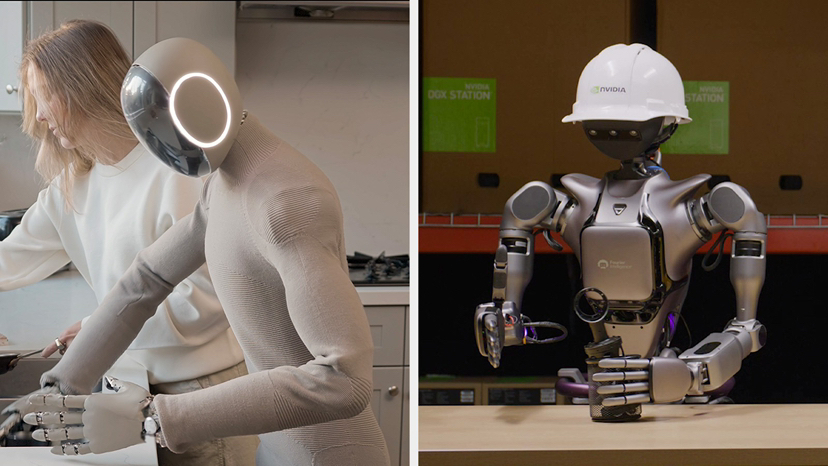 Key Benefits Robotics Brings
• Unmatched Productivity & Efficiency: Robots work 24/7 without fatigue, slashing cycle times and costs in repetitive tasks. In warehouses and factories, they handle picking, packing, and assembly at scale—reducing downtime and enabling faster output.
• Superior Safety: By taking hazardous roles (heavy lifting, toxic environments, disaster response), robots minimize human injuries while maintaining precision in dangerous settings.
• Precision & Quality Gains: AI-driven robots eliminate errors in electronics, automotive, and pharma—leading to fewer defects, recalls, and higher standards.
• Solving Labor Shortages: In aging societies and high-demand sectors like healthcare (elder care, surgery) and education, robots fill gaps, allowing humans to focus on creative, strategic work.
• Cost Savings & Scalability: Long-term ROI from lower labor expenses and flexible deployment (e.g., cobots alongside workers) makes automation viable for SMEs via models like Robotics-as-a-Service.
 Industry Development Through Robotics
Robotics propels Industry 4.0 and beyond:
• Manufacturing & Logistics: Humanoids and AMRs transform assembly lines and warehouses—enabling flexible, just-in-time production and nearshoring. Tesla’s Optimus and similar deployments show over 1,000+ units already boosting factory efficiency.
• Healthcare & Services: Surgical and care robots improve outcomes and assist daily needs, easing burdens in overburdened systems.
• Broader Economy: Robotics enhances total factor productivity, creates high-skill jobs (AI oversight, robot maintenance), and fosters abundance—lower goods prices, new markets, and global resilience.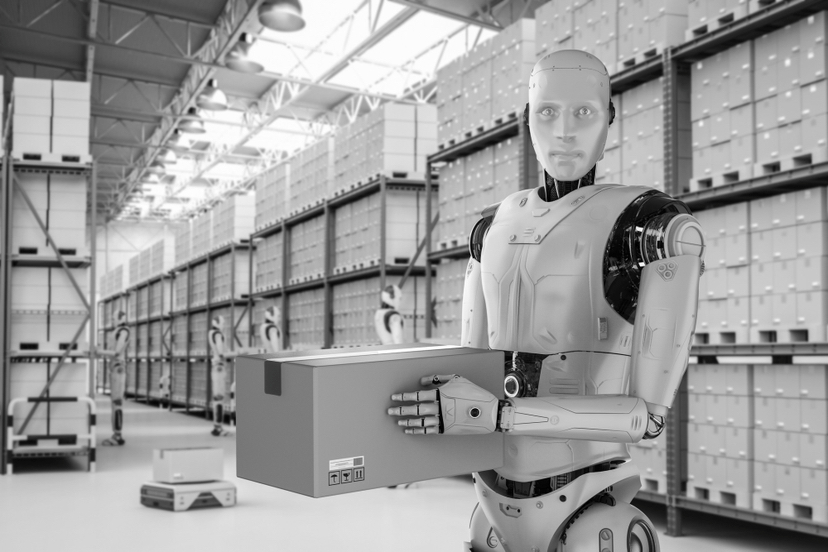
@Fabric Foundation and $ROBO accelerate this by democratizing access: open standards prevent monopolies, enable global collaboration, and align incentives for safe, beneficial deployment.
Robotics isn’t replacement—it’s augmentation. With open, decentralized frameworks, it unlocks abundance for humanity while solving real-world challenges. The future is robotic, open, and powered by $ROBO.