

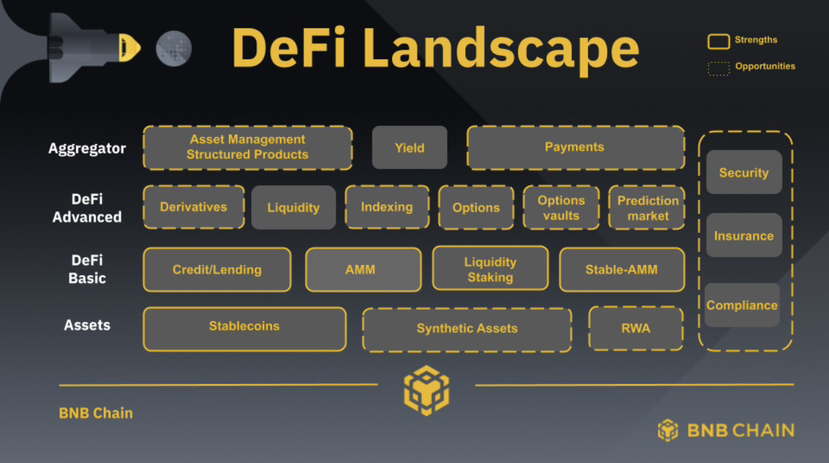
 The BNB Chain ecosystem has grown into one of the most active blockchain networks in the crypto industry. Originally launched by Binance to support decentralized applications and digital asset transactions, BNB Chain has evolved into a full-scale infrastructure layer supporting DeFi, GameFi, NFTs, AI-driven applications, and Web3 development.
At the center of this ecosystem is $BNB, which functions as both the native utility token and a key component that powers transactions, governance, and network security.
The Architecture of BNB Chain
BNB Chain is designed with a modular architecture that allows scalability and flexibility for developers. The ecosystem mainly consists of several core layers: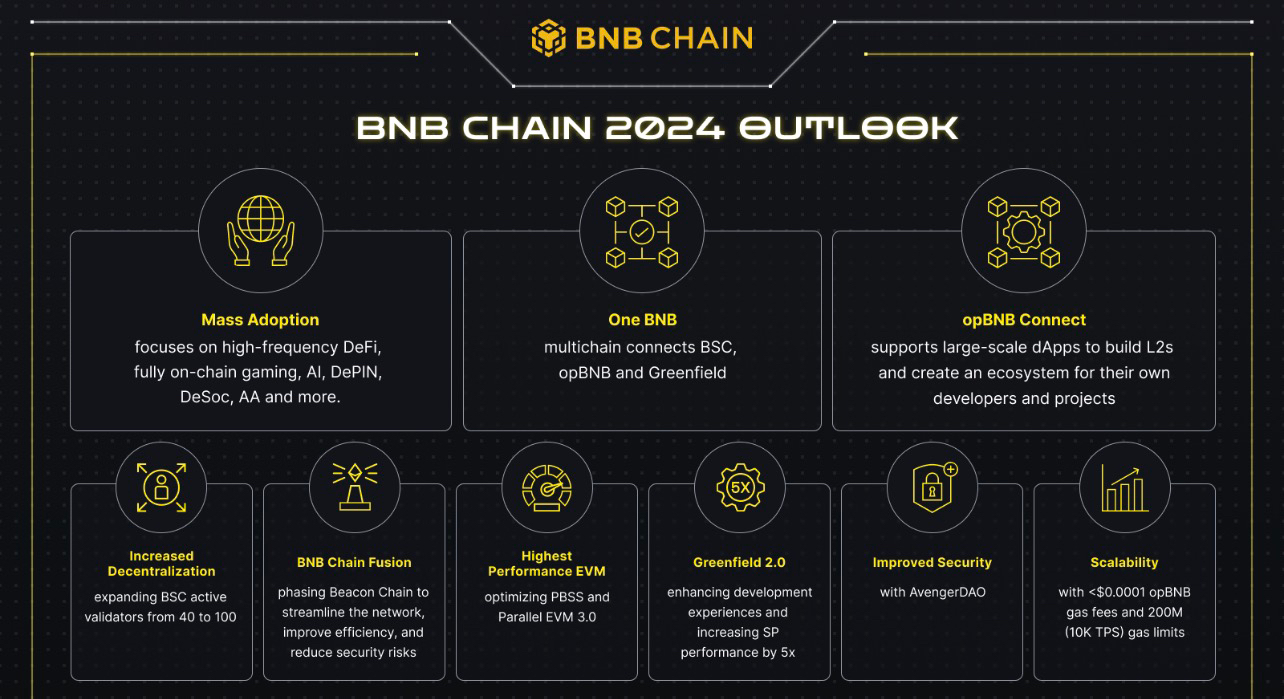
BNB Smart Chain (BSC)
This is the execution layer where most decentralized applications operate. BSC supports smart contracts and is fully compatible with the Ethereum Virtual Machine (EVM), allowing developers to easily port applications from Ethereum.
opBNB Layer 2
opBNB is a scaling solution designed to improve transaction throughput and reduce gas fees. By leveraging optimistic rollup technology, opBNB significantly increases performance while maintaining compatibility with the broader ecosystem.
BNB Greenfield
Greenfield focuses on decentralized data storage infrastructure. It enables developers to build decentralized storage solutions integrated with BNB Chain applications.
Together, these components form a multi-layer blockchain infrastructure capable of supporting large-scale Web3 adoption.
Core Use Cases in the Ecosystem
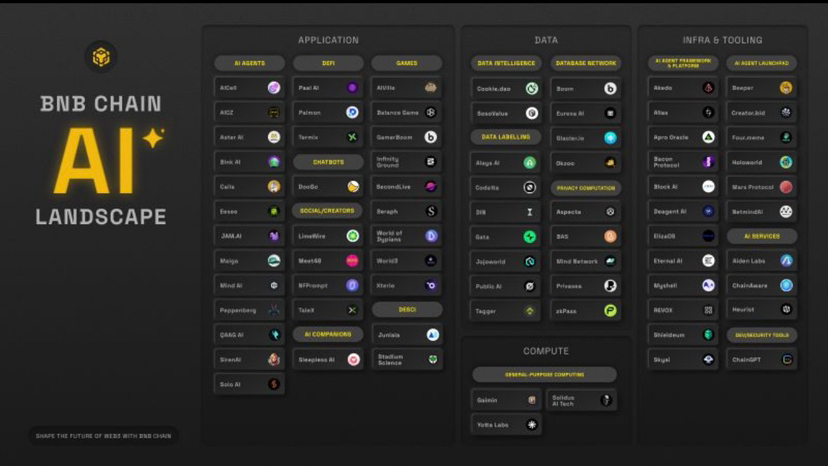
DeFi (Decentralized Finance)
BNB Chain hosts a wide range of DeFi protocols including decentralized exchanges, lending platforms, and yield farming systems. These platforms allow users to trade assets, earn yield, and provide liquidity without relying on centralized intermediaries.
Popular DeFi sectors on BNB Chain include:
• Decentralized exchanges (DEXs)
• Lending and borrowing platforms
• Yield aggregators
• Stablecoin infrastructure
Because of relatively low transaction costs, BNB Chain has become attractive for retail users exploring DeFi.
NFTs and Digital Ownership
NFT markets and digital collectibles have also found strong traction on BNB Chain. Artists, gaming projects, and brands use the network to mint NFTs, trade digital assets, and build digital identity layers for Web3 communities.
Lower gas fees compared to many other networks make NFT minting more accessible for creators and collectors.
Gaming and GameFi
GameFi applications represent another fast-growing segment of the ecosystem. BNB Chain supports blockchain-based games where players can earn tokens, trade in-game assets, and participate in decentralized economies.
These projects combine gaming mechanics with decentralized finance infrastructure, creating new digital economies built around user participation.
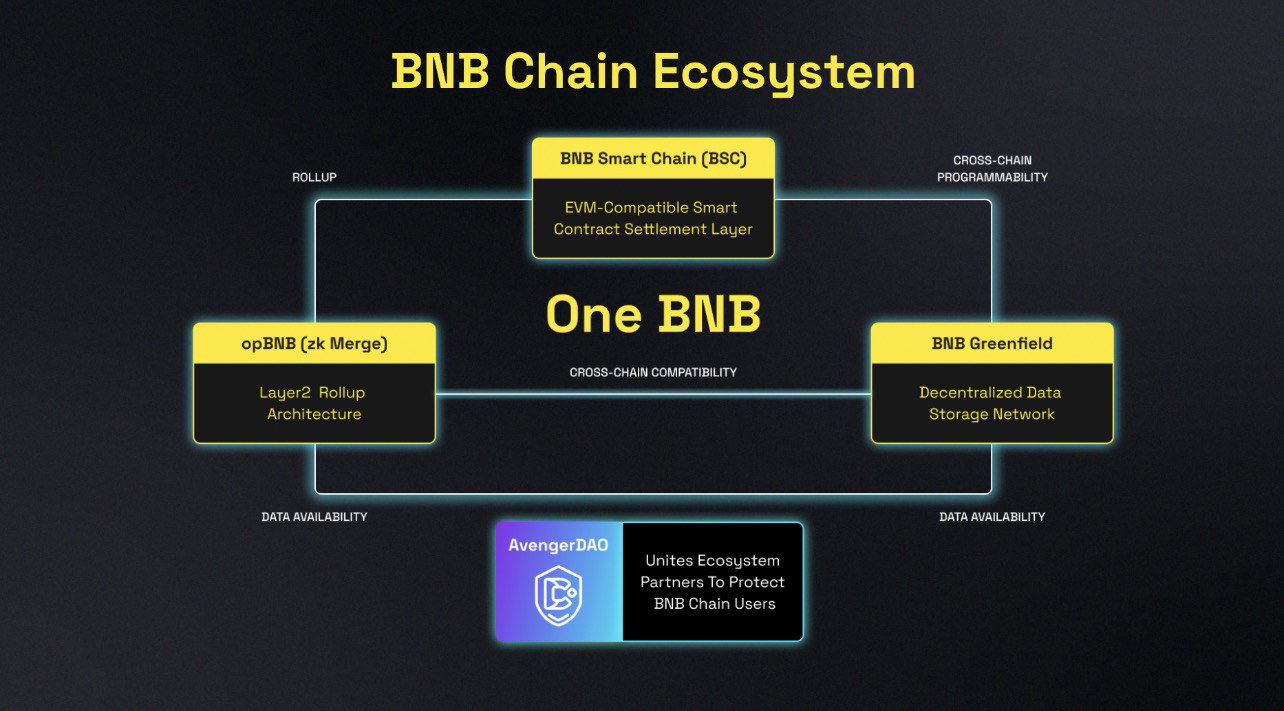
AI and Emerging Technologies
As the Web3 industry evolves, the BNB Chain ecosystem is also expanding into AI-integrated applications and automation infrastructure. This includes AI agents, on-chain data analysis tools, and decentralized compute models designed to support the next generation of blockchain applications.
Advantages of the BNB Chain Ecosystem
Several factors contribute to BNB Chain’s continued growth:
Low transaction fees
Compared to many blockchain networks, gas costs remain relatively low, making it attractive for everyday users.
High transaction throughput
The network can process large numbers of transactions quickly, enabling scalable decentralized applications.
EVM compatibility
Developers can easily migrate Ethereum-based applications without major changes to their codebase.
Strong ecosystem support
The network benefits from developer grants, incubator programs, and liquidity provided through the broader Binance ecosystem.
Challenges and Considerations
Despite its growth, the ecosystem still faces challenges.
Competition from other chains
Networks such as Ethereum, Solana, and emerging Layer 2 solutions compete for developer attention and liquidity.
Security risks in DeFi
Like any open blockchain ecosystem, smart contract vulnerabilities can exist if projects are not properly audited.
Scalability evolution
Although improvements like opBNB help scaling, continuous development is required to support long-term mass adoption.
The Role of $BNB in the Ecosystem
The native token $BNB plays several critical roles:
• Paying network transaction fees
• Participating in governance mechanisms
• Supporting staking and validator security
• Acting as a base asset across DeFi applications
This utility connects the broader infrastructure and ensures that activity across the ecosystem directly contributes to network demand.
Conclusion
The BNB Chain ecosystem represents more than just a blockchain network. It functions as a full Web3 infrastructure layer supporting decentralized finance, digital ownership, gaming, and emerging technologies like AI.
With continuous development, scalability improvements, and growing developer participation, BNB Chain continues to position itself as a key player in the evolution of decentralized internet infrastructure.
For ecosystem updates and regional initiatives, follow @Binance Vietnam