A few weeks ago I was watching a short video from a warehouse operator. Nothing special at first glance. Just a robot carrying plastic bins across a large concrete floor. It moved slowly, paused for a second, then adjusted its direction as if thinking about where to go next. People in the background walked around it without paying much attention. What caught my eye wasn’t the robot itself. It was the screen mounted on the wall nearby. Every movement the machine made was being recorded somewhere. Time stamps. Task numbers. Location markers. A quiet stream of small records building up while the machine kept moving.
That detail is going tostuck with me longer than the robot.
People usually talk about the robotics as if intelligence is the main story. Better AI models. More advanced sensors. Smarter navigation systems. Those things matter, obviously. But watching that video, it felt like something else was happening underneath. The robot moving the bin was useful, sure. Yet the real value seemed to sit in the record of what happened — proof that the work had actually been done.
Physical work is strange in that way. Once something happens in the real world, someone eventually needs evidence. If a robot moves inventory in a warehouse, a supplier may want confirmation. If a delivery robot drops off a package, the logistics system needs to know it reached the correct location. The action itself lasts a few seconds. The record of the action might matter for years.
This is where robotics begins to look different from artificial intelligence.
AI systems mostly deal with information. They generate answers, predictions, or classifications. Sometimes those answers are wrong. Everyone knows that. But the consequences usually stay inside the digital world. If a chatbot writes an incorrect paragraph, someone notices, edits it, or simply ignores it. The mistake rarely affects a chain of physical events.
Robotics doesn’t have that luxury. Machines move objects, interact with environments, sometimes even operate equipment. When something goes wrong, it’s not just a bad sentence on a screen. It can disrupt a supply chain or damage physical goods. That difference changes how systems need to be designed.
And oddly enough, the challenge is often not intelligence. It’s coordination.
Imagine several companies sharing the same robotic infrastructure. A logistics firm owns the warehouse. A retailer stores inventory there. Another company operates the robotic fleet that moves products around the building. Each of them needs a reliable picture of what actually happened inside that space. Who moved which item. During the task happening. Whether the job was completed properly.
If every organization keeps its own records, disagreements eventually appear. One database says the pallet was moved at 2:03 PM. Another says 2:06. A third system doesn’t show the movement at all. Suddenly a very small robotic action becomes a messy reconciliation problem between companies.
Decentralization enters the conversation right around that point. Not as ideology. More like a practical workaround.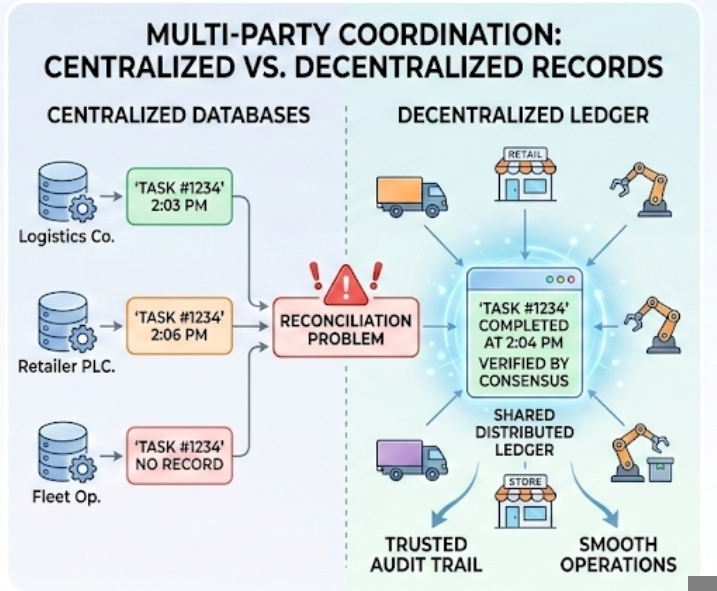
A decentralized ledger — basically a shared record maintained by multiple independent computers — allows different participants to agree on the same sequence of events. Instead of trusting one central database, everyone checks the same log. The idea sounds technical, but the motivation is simple: fewer disputes about what actually happened.
It’s interesting because artificial intelligence has not faced the same pressure. Most AI systems work perfectly fine in centralized environments. Large companies train models, host them on their own servers, and users interact with them through APIs or apps. Trust sits with the provider. In many cases that arrangement works well enough.
Robotics feels different because it sits closer to economic activity. Warehouses, transportation networks, manufacturing lines. These environments already involve multiple parties who need shared visibility. A robot picking up a crate may trigger billing events, inventory updates, shipping instructions, and audit logs all at once.
When the stakes involve real goods and real money, people start caring about verifiable records.
Something else becomes visible if you look closely. Robotics networks may eventually resembling the online platforms where activity is constantly being measured. Think about places like Binance Square. Writers there pay attention to engagement numbers — views, likes, rankings on dashboards. These metrics shape behavior more than people admit. When visibility is tied to measurable signals, participants slowly adapt to whatever the system tracks.
Robotics networks could drift in a similar direction.
If machines operate in shared ecosystems where their work is logged and verified, those records may start feeding into performance dashboards. Operators might compare robot uptime, task completion speed, or reliability scores. At first this sounds useful. Transparent metrics can improve efficiency.
But metrics have a habit of bending behavior in unexpected ways. Anyone who has spent time around ranking systems knows this. When numbers become rewards, participants sometimes optimize for the numbers rather than the underlying goal.
A robot might rush tasks to appear efficient. Or avoid complicated jobs because they reduce performance scores. Suddenly the system measures activity, but the activity no longer reflects real value. It’s a small risk, though worth thinking about early.
Another point that rarely gets mentioned in robotics discussions: intelligence alone does not create infrastructure. History shows this pretty clearly. Transportation networks, financial systems, even the internet itself didn’t succeed because one component was brilliant. They succeeded because many actors could rely on shared standards and shared records.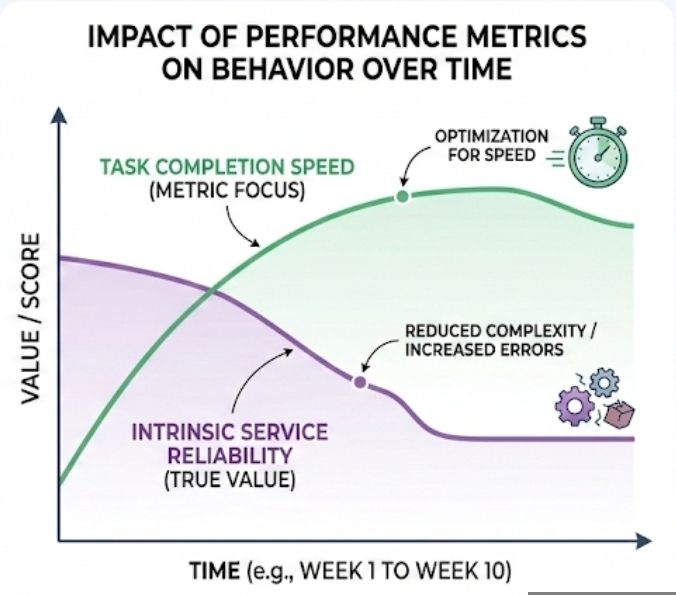
Robotics may be heading toward the same kind of quiet foundation. Smarter machines will continue to appear, no doubt. But as robotic activity spreads across logistics, manufacturing, and service industries, the question of trustworthy records will become harder to ignore.
In other words, the robot carrying the plastic bin across the warehouse floor might not be the most important part of the story.
The small log entries quietly stacking up in the background might matter just as much.

Articolo
Why Robotics Needs Decentralization More Than AI Does
Disclaimer: Include opinioni di terze parti. Non è una consulenza finanziaria. Può includere contenuti sponsorizzati. Consulta i T&C.
0
7
132
Esplora le ultime notizie sulle crypto
⚡️ Partecipa alle ultime discussioni sulle crypto
💬 Interagisci con i tuoi creator preferiti
👍 Goditi i contenuti che ti interessano
Email / numero di telefono