
As robotics and AI continue to evolve, one question becomes increasingly important: how will humans and autonomous machines interact in a secure and transparent way? This is the core vision behind the Fabric Foundation, which aims to build infrastructure for what it calls the Robot Economy.
At the center of this ecosystem is $ROBO , the core utility and governance token designed to support the network as it develops and scales.
Building Infrastructure for Autonomous Robots
In the future, autonomous robots may perform tasks, provide services, and interact economically with humans. However, unlike humans, robots cannot open bank accounts or hold passports. Instead, they will rely on blockchain infrastructure.
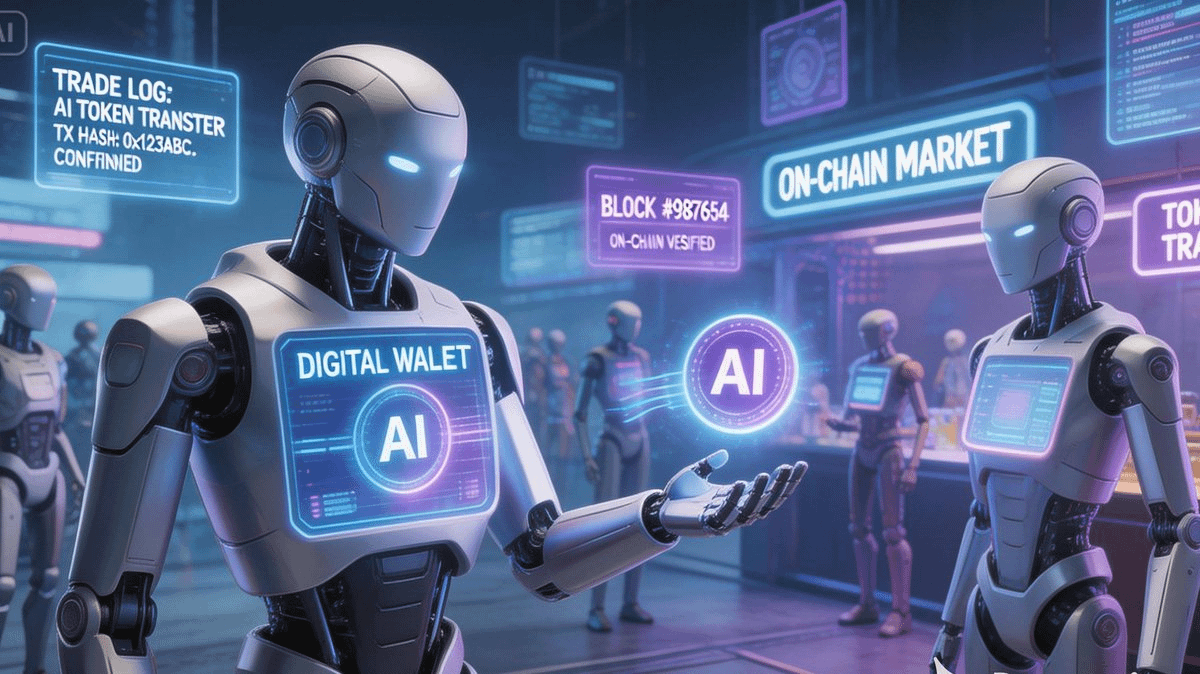
Through the Fabric network, robots can operate using Web3 wallets and on-chain identities, enabling them to send and receive payments, verify tasks, and maintain transparent records of activity. Transaction fees for these services will be paid using ROBO.
The network is expected to launch initially on Base, with long-term plans to evolve into its own Layer-1 blockchain as adoption grows.
Coordinating Robots Through a Decentralized Network
Another key function of ROBO is coordinating participation in the Fabric ecosystem. The protocol allows users to contribute tokens in order to participate in the early activation and coordination of robot hardware.
Participants who stake ROBO gain access to protocol features and may receive priority access when tasks are allocated during the early operational phases of robots on the network. Importantly, participation in the system does not represent ownership of robot hardware or revenue rights—it simply allows users to help coordinate and bootstrap the network.
Part of the protocol’s revenue will also be used to purchase ROBO from the open market, helping support long-term demand for the token.
Opening the Ecosystem to Developers and Businesses
As the robot ecosystem expands, developers and companies will be able to build applications on top of the Fabric network. To participate, builders will need to purchase and stake a set amount of ROBO.
This mechanism aligns incentives between developers, businesses, and the network itself. In return, participants can access robot services and earn rewards for verified work such as task completion, data contributions, computing resources, validation, or skill development.
Governance and the Future of the Network
Beyond its utility functions, ROBO also plays an important role in governance. Token holders will help shape the future of the network by participating in decisions related to fees, policies, and protocol development.
According to the Fabric Foundation, the long-term goal is to create an open network for general-purpose robots where individuals, developers, and organizations can contribute to building a safe and collaborative robot economy.
To support this vision, the token distribution model is designed to fund ecosystem growth, support the foundation’s operations, and align the incentives of early contributors and supporters through structured vesting.

Final Thoughts
The idea of robots operating within a blockchain-based economy may still feel futuristic, but projects like Fabric are already exploring how such systems could work.
If autonomous machines become part of everyday economic activity, infrastructure for identity, payments, coordination, and governance will be essential. Within the Fabric ecosystem, $ROBO is designed to play that central role.