
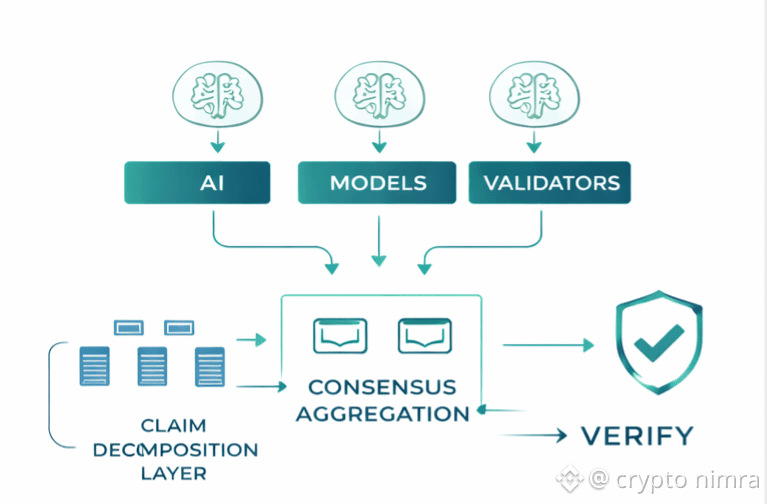
Mira Network: An Underrated Project With a Big Infrastructure Vision
In crypto, the loudest narratives usually get the liquidity first. Memecoins dominate timelines, flashy L2s dominate headlines, and short-term narratives dominate trading desks. But if you zoom out—really zoom out—the value creation in this cycle is quietly shifting back to infrastructure.
That’s where Mira Network caught my attention.
Mira Network isn’t trending every day on Crypto Twitter, and it isn’t pumping on hype alone. Instead, it’s doing something far less glamorous—but far more important: rebuilding how decentralized systems scale, coordinate, and communicate at the infrastructure layer.
In this article, I’ll break down why Mira Network is underrated, how it fits into today’s modular blockchain narrative, what the market is missing, and where the real risks and opportunities lie—from both a builder’s and an investor’s perspective.
Why Infrastructure Is Quietly Becoming the Next Alpha Narrative
Every major crypto cycle follows a familiar pattern:
First comes speculation
Then applications
Finally, infrastructure bottlenecks force innovation
We’re currently in the third phase.
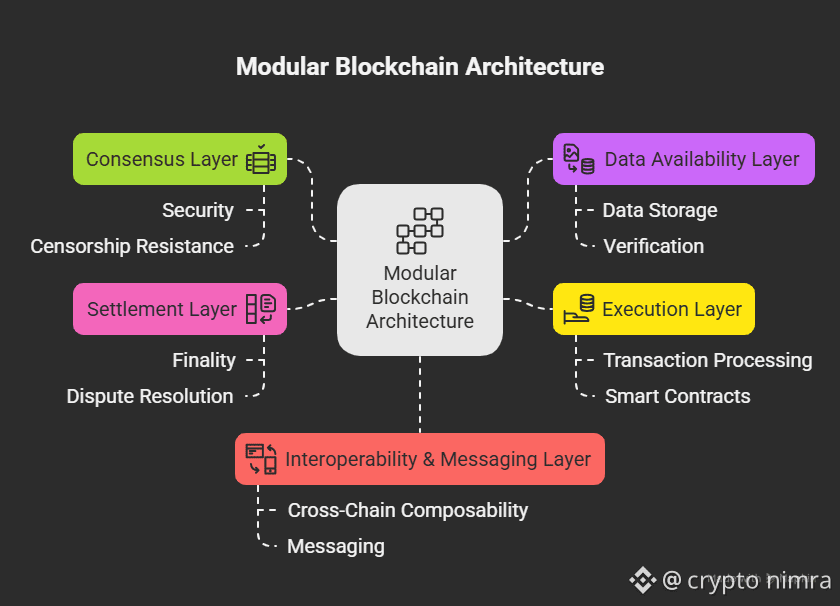
Ethereum’s rollup-centric roadmap, the explosion of modular blockchains, and the rise of specialized execution environments all point to one thing: monolithic chains can’t scale alone.
Infrastructure protocols like Mira Network are emerging not to replace blockchains—but to connect, optimize, and abstract complexity away from users and developers.
Think of it like this:
Blockchains are cities. Mira Network is the highway system, power grid, and traffic control layer that lets those cities function together efficiently.
Mira Network’s Core Vision: Infrastructure Before Hype
What I personally find compelling about Mira Network is its infrastructure-first philosophy.
Instead of chasing users with incentives or launching consumer-facing apps, Mira focuses on:
Network coordination
Scalable communication layers
Composable infrastructure primitives
This approach aligns closely with what serious builders actually need in 2025: reliability, throughput, and interoperability, not gimmicks.
The Problem Mira Is Targeting
Today’s blockchain ecosystem suffers from:
Fragmented liquidity
Isolated execution environments
Inefficient cross-network communication
High operational overhead for developers
Mira Network positions itself as a foundational layer that helps solve these issues without forcing developers to abandon their existing chains or tooling.
Technical Architecture: Simple Idea, Deep Engineering
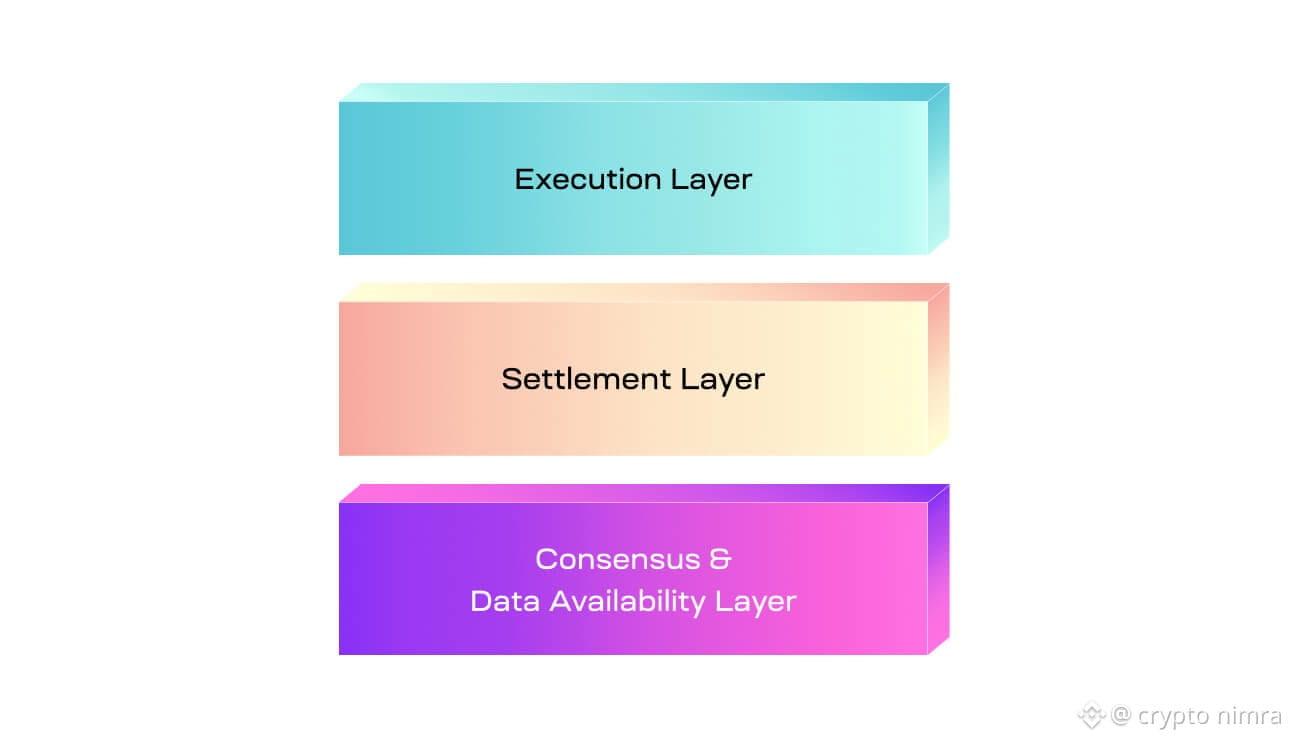
At a high level, Mira Network is built around the idea of modular coordination.
Instead of trying to do everything on one chain, Mira focuses on:
Optimizing how networks talk to each other
Reducing redundancy across layers
Improving execution efficiency without sacrificing decentralization
Key Architectural Pillars
1. Modular Design
Mira is not a monolithic chain. It’s designed to plug into existing ecosystems—L1s, L2s, and app-specific chains—without becoming a bottleneck itself.
2. Efficient Data Flow
By optimizing how data and messages move between environments, Mira reduces latency and computational waste, which directly impacts cost and performance.
3. Developer-Centric Infrastructure
From my perspective, this is crucial. Mira isn’t just infrastructure for infrastructure’s sake—it’s built to lower the friction for builders, which is where long-term adoption comes from.
Market Positioning: Where Mira Fits in the Crypto Stack
Mira Network sits in a very interesting middle ground:
LayerExamplesMira’s RoleL1 ChainsEthereum, SolanaCoordination & efficiencyL2 / RollupsArbitrum, OptimismCross-network optimizationApp ChainsGaming, DeFi chainsInfrastructure backbone
Instead of competing directly with established giants, Mira complements them.
That’s a smart strategy—because history shows infrastructure enablers often capture value quietly while applications fight for attention.
Trading Volume, Liquidity & Market Behavior (High-Level View)
While Mira Network is still under the radar, its market behavior reflects early-stage infrastructure projects:
Lower but consistent trading volume compared to hype-driven tokens
Liquidity concentrated among long-term holders
Price action driven more by development milestones than narratives
From a trading perspective, this usually means:
Less noise
Fewer emotional spikes
Better risk-reward for patient positioning
📊 Visual idea: Add a chart comparing Mira’s volume stability vs. narrative-driven tokens during volatile market periods.
Current Crypto Trends That Favor Mira Network
Several macro narratives are aligning in Mira’s favor:
1. Modular Blockchain Explosion
More chains = more coordination problems
Mira exists because this problem is growing, not shrinking.
2. Infrastructure Over Apps Rotation
Capital is rotating back into protocols that enable entire ecosystems, not single products.
3. Developer Experience as a Moat
Protocols that reduce complexity win long-term adoption—even if they grow slower initially.
4. Sustainability Over Hype
The market is becoming less forgiving of empty narratives. Infrastructure with real utility is gaining respect again.
Risks: Where Mira Could Struggle
No honest analysis is complete without risks.
1. Adoption Risk
Infrastructure protocols live or die by usage. If developers don’t integrate Mira, the tech alone isn’t enough.
2. Narrative Lag
Being underrated cuts both ways. Mira may stay overlooked longer than expected, limiting short-term upside.
3. Competition
Interoperability and coordination are crowded spaces. Differentiation must be continuously proven.
4. Token Value Capture
As with many infrastructure projects, how value accrues to the token will matter long-term.
Opportunities: Why the Upside Is Still Asymmetric
Despite the risks, the opportunity profile remains compelling.
1. Early Infrastructure Positioning
If Mira becomes embedded into multiple ecosystems, switching costs rise dramatically.
2. Ecosystem Compounding
Infrastructure adoption tends to compound slowly—then suddenly.
3. Builder Loyalty
Developers rarely abandon tools that work. This creates sticky demand over time.
4. Market Re-Rating Potential
Once infrastructure narratives regain mainstream attention, projects like Mira often experience delayed but explosive repricing.
My Personal POV: Why I’m Watching Mira Closely
From my perspective, Mira Network feels like one of those projects that won’t trend first—but will matter first.
It’s not trying to be flashy. It’s trying to be necessary.
In crypto, necessity is underrated until it becomes unavoidable.
That’s usually when markets wake up.
Future Outlook: Where Mira Could Be Headed
Looking ahead, I see three possible paths:
Base Infrastructure Layer
Mira becomes a quiet but essential backbone for multi-chain ecosystems.Ecosystem Partner
Strategic integrations drive steady growth and network effects.Market Re-Discovery
As modular narratives mature, Mira gets re-rated by capital markets.
📈 Visual idea: Roadmap timeline showing infrastructure adoption phases.
Investor Takeaways (Clear & Practical)
Mira Network is not a hype trade
It is an infrastructure conviction play
Best suited for:
Long-term thinkers
Infrastructure-focused investors
Builders and ecosystem participants
If you’re looking for instant pumps, this isn’t it.
If you’re looking for structural relevance, Mira deserves attention.
Final Thoughts
Crypto doesn’t move forward because of noise—it moves forward because of infrastructure that works quietly in the background.
Mira Network is building for that future.
And in my experience, the projects that build quietly often speak the loudest when the cycle matures.
Sometimes, being underrated is the advantage.