
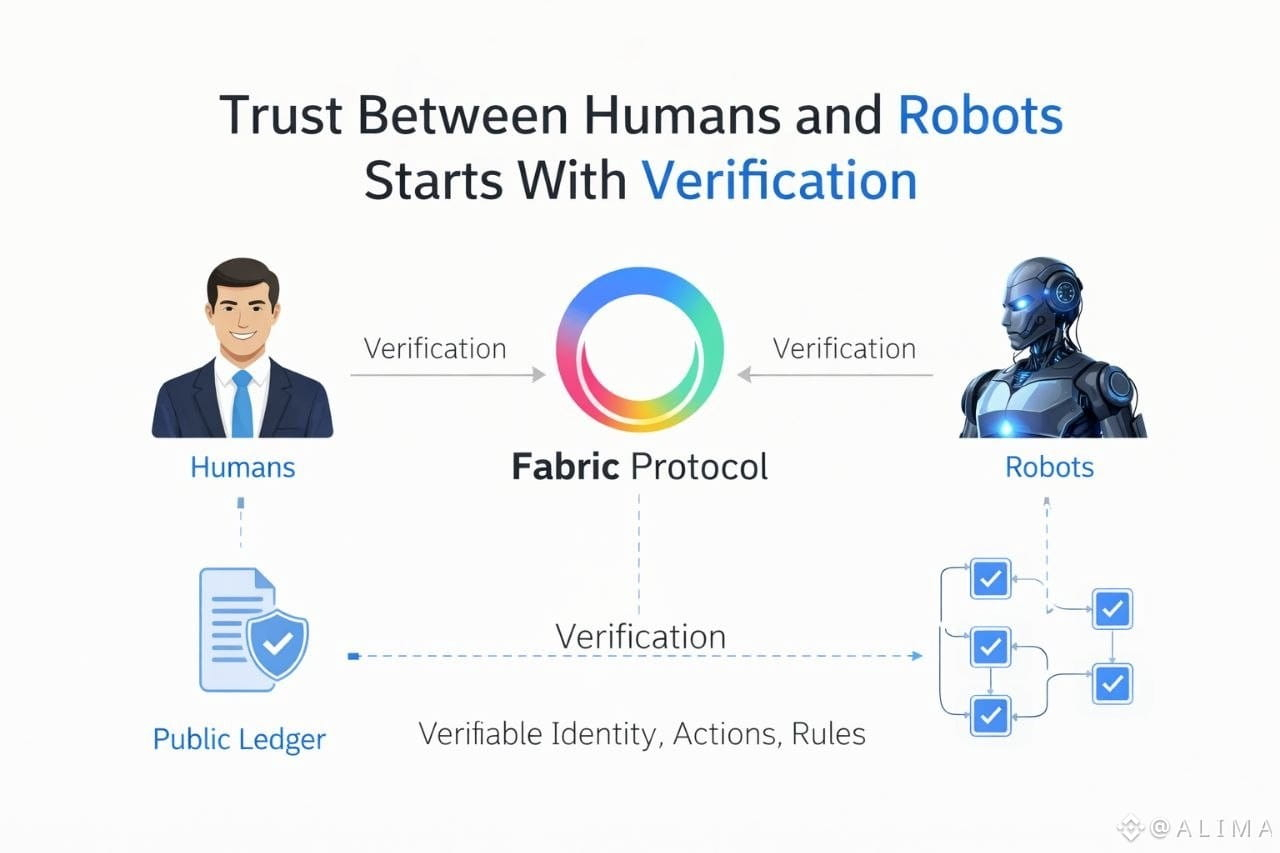
 One thing I keep thinking about when I look at Fabric Foundation and ROBO is this: governance is digital but robots are physical and those two don’t operate at the same speed.
Imagine a proposal passes. The hash is confirmed. The constraint goes live. Onchain, everything looks perfect. The ledger has sealed the new rule. From the network’s perspective, reality has already updated.
But the robot might still be mid motion.
Torque has already been applied. The control loop is in progress. An 8ms tick is running sensor read, firmware decision, actuator response. The machine is finishing the cycle it started under the previous rule.
The ledger has moved on. The robot hasn’t yet.
Nothing forks. Nothing breaks. Nothing becomes unsafe. There’s just a narrow window where governance and motion are not aligned on the same tick.
That’s completely normal.
Digital finality is instant. Physical systems converge.
Fabric Foundation ROBO layer doesn’t interrupt physics. It doesn’t freeze actuators mid motion or rewind torque. Its job is not to stop machines. Its job is to prove which rule became active and from which moment that rule became shared truth across the network.
Under a single device, that drift is microscopic. You wouldn’t notice it. But scale that across a fleet and the skew becomes visible.
Not chaos. Not failure. Just drift.
The governance panel turns green. Compliance reflects the updated parameters. Other agents subscribe to the new state. Meanwhile, the motor completes the prior control envelope.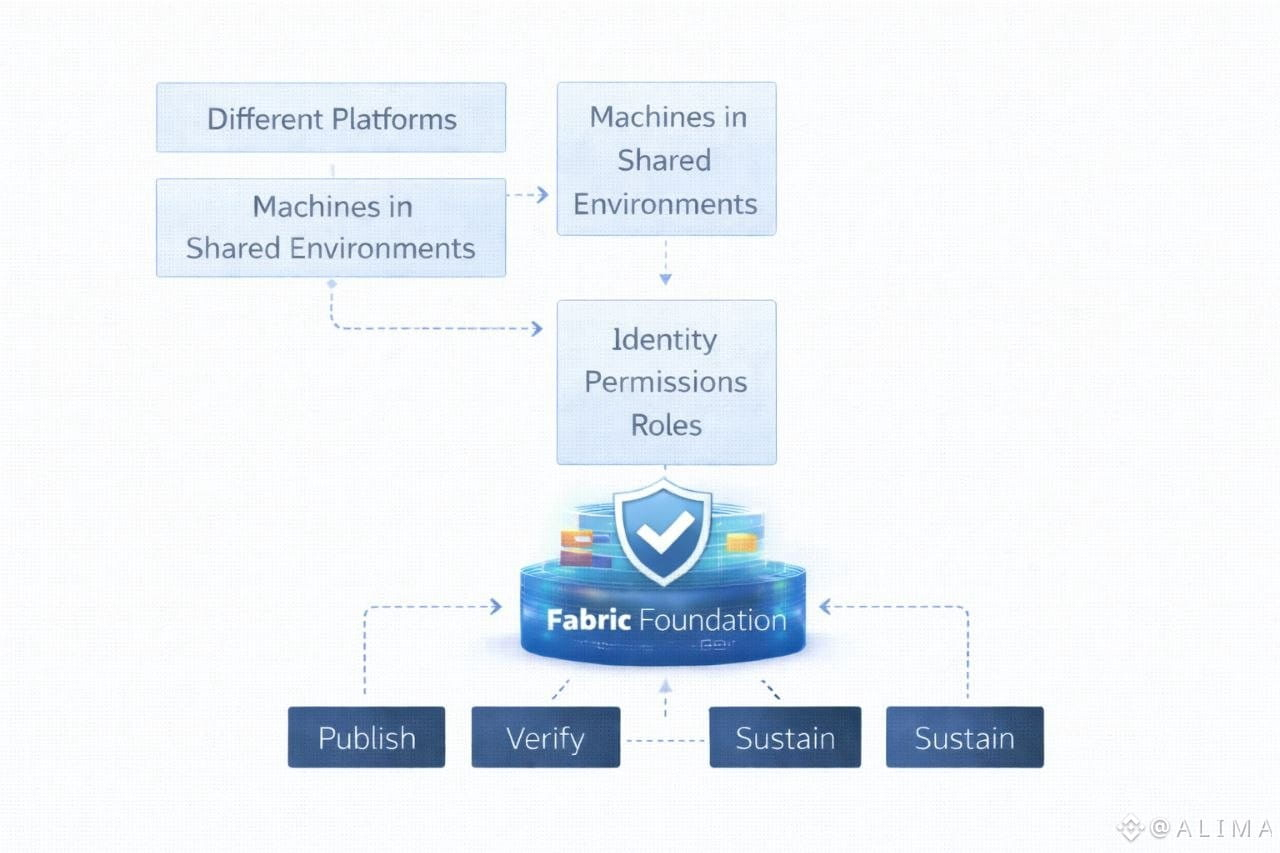
For a few milliseconds, the robot is operating under a rule the network has already replaced.
That’s not a flaw in the system. That’s the reality of synchronizing physical execution with digital finality.
To me, ROBO’s real function isn’t slowing machines down. It’s defining the exact moment when a physical action becomes a shared, reliable fact. When a constraint stops being “proposed” and becomes something every participant can depend on.
ROBO doesn’t pause the world.
It defines the moment the world agrees.