
Lately I’ve been thinking a lot about where the AI narrative is actually heading. Most of the conversation right now revolves around models bigger models, smarter models, faster models. But the more I observe the space, the more I feel that intelligence alone isn’t the final destination. Intelligence without action still leaves a major gap. That’s exactly why ROBO has started to stand out to me.
When I look at what’s forming around automation and autonomous systems, it feels like the next logical step after AI intelligence. AI today can analyze information, generate insights, and make predictions, but most systems still depend on humans to actually execute decisions. That limitation becomes obvious once you start imagining what a fully automated digital environment could look like.
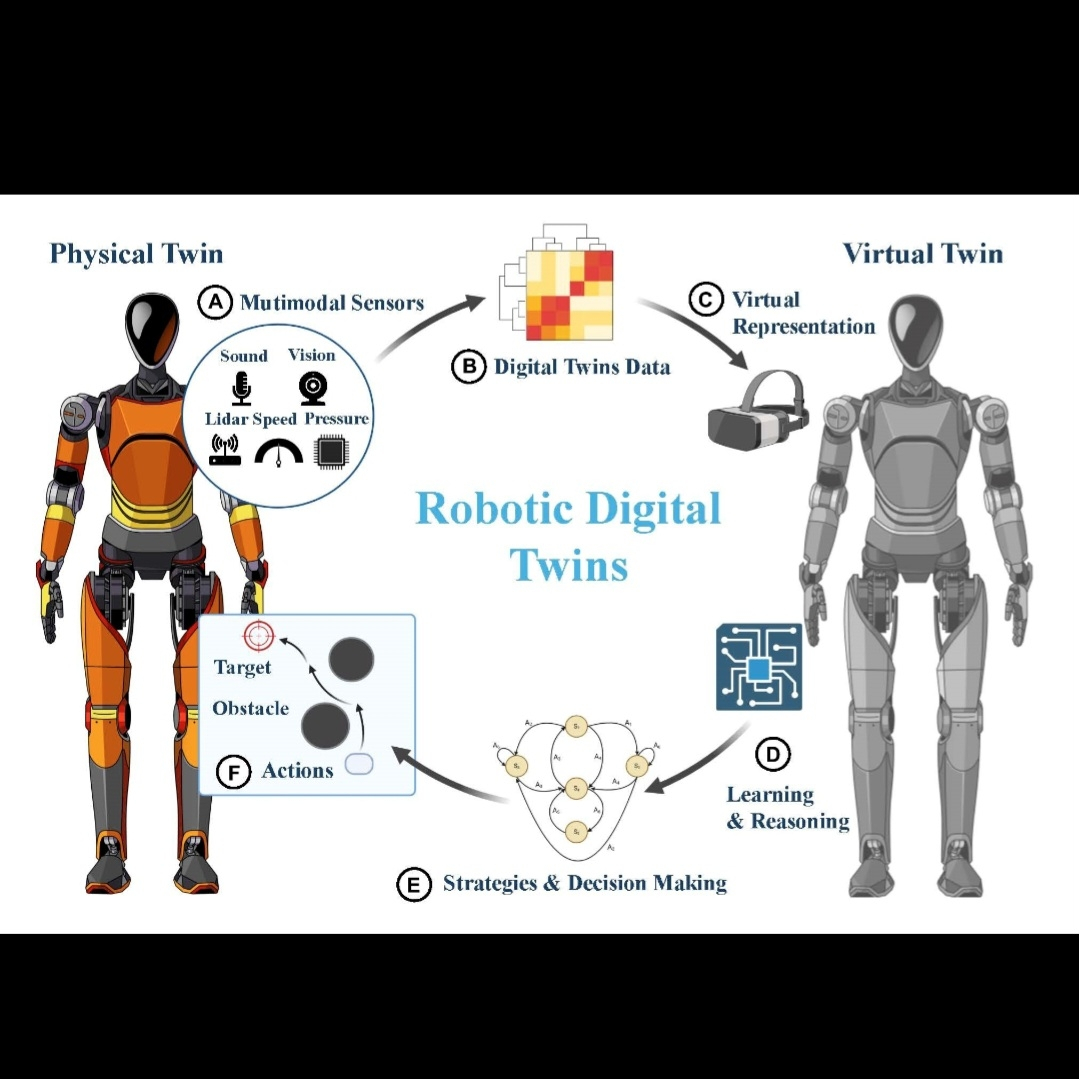
This is where the idea behind ROBO begins to make sense in my mind. Instead of focusing purely on intelligence, the narrative appears to move toward autonomous execution — systems capable of interacting with digital environments, performing tasks, and coordinating processes without constant human involvement.
From my perspective, this is a natural evolution of AI. First we built machines that could compute. Then we built systems that could learn. Now we are slowly entering the stage where machines might act independently within digital infrastructure.
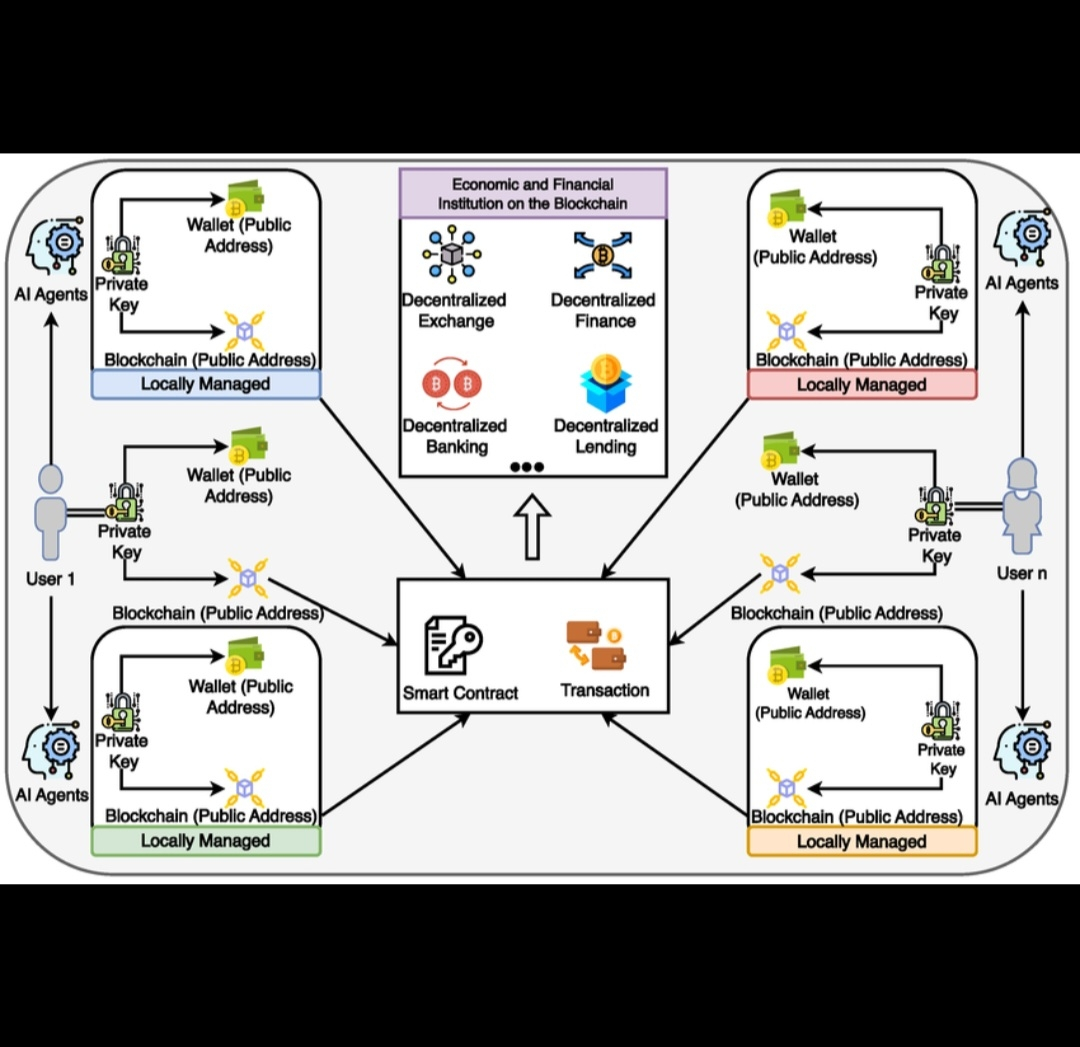
Crypto networks make this concept even more interesting. Blockchains are already programmable environments where transactions, smart contracts, and decentralized protocols can operate automatically. When AI-driven automation starts interacting with these systems, the result could be entire digital processes running autonomously.
Imagine agents monitoring markets, executing strategies, interacting with decentralized applications, or managing complex workflows across protocols. Instead of human users constantly triggering actions, autonomous systems could operate continuously, responding to data and conditions in real time.
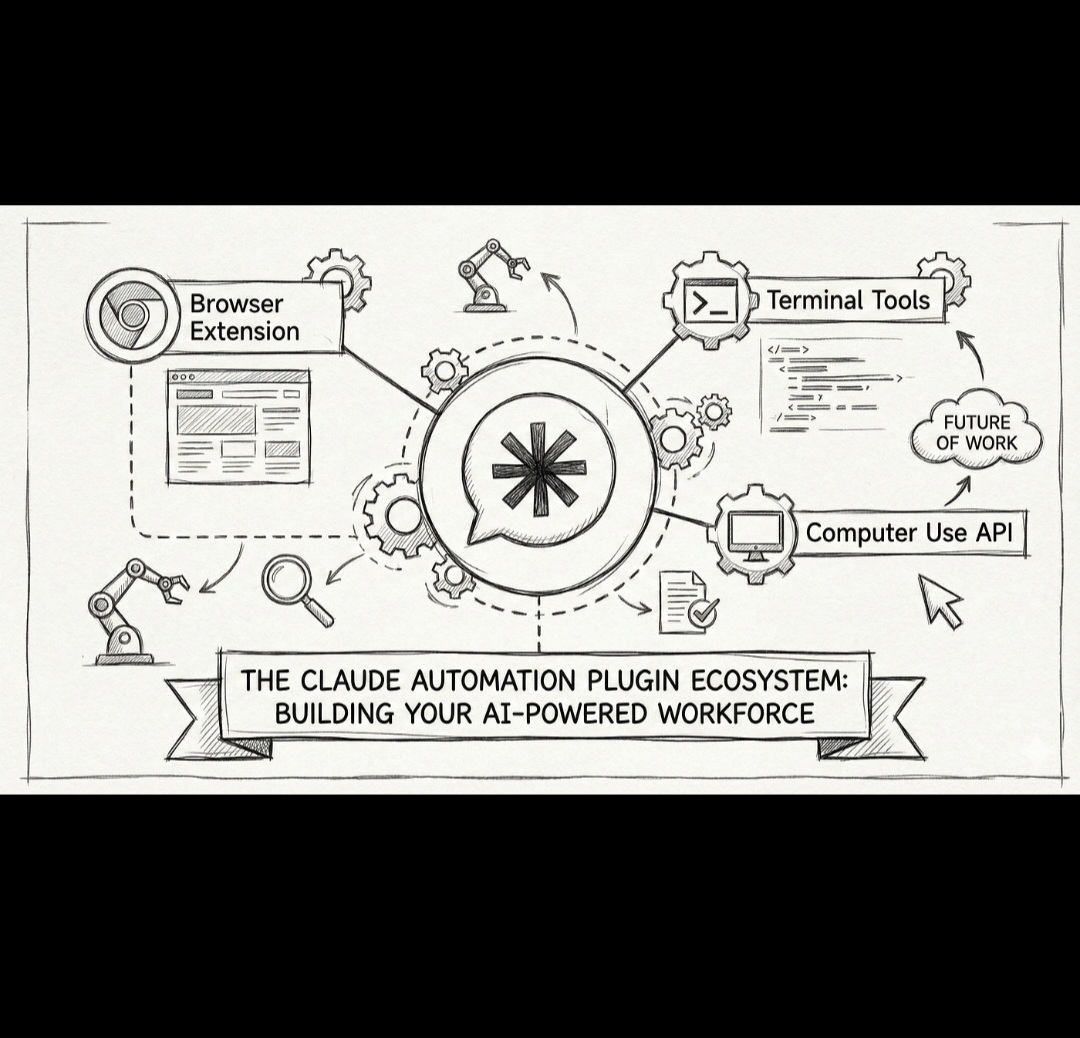
That possibility is what makes the idea surrounding ROBO feel compelling to me. It suggests a future where automation is not just a feature but a core layer of digital infrastructure.
Of course, turning this vision into reality is not simple. Building reliable autonomous systems that can operate securely within decentralized environments requires serious technical development and careful design. But the direction itself reflects something larger that I believe is coming to the entire tech landscape.
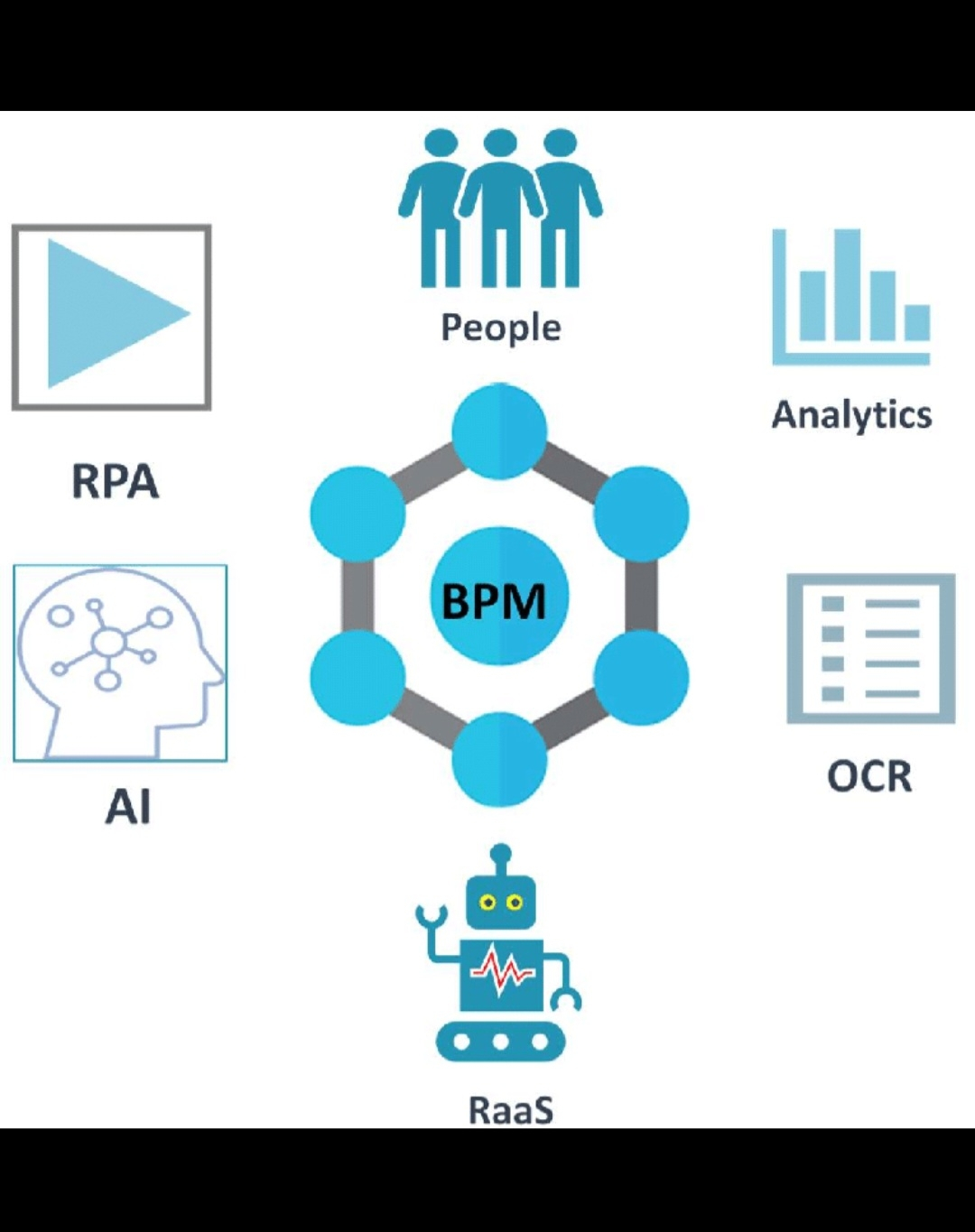
AI is gradually moving from being a tool that assists humans to something that can operate alongside or even independently within digital systems.
And when I look at projects exploring that transition, ROBO feels like it’s pointing toward exactly that frontier.