
@Fabric Foundation Protocol:
Why I Stopped Looking at the Narrative and Started Studying the Structure
I’ll be honest the first time I saw Fabric Protocol described as a network for general-purpose robots, I almost ignored it.
Crypto has a habit of attaching itself to whatever sounds futuristic. AI. Robots. Autonomous agents. We’ve seen those keywords before.
But when I actually sat down and read through Fabric’s architecture, something felt different. The focus wasn’t on “smart robots.” It was on how autonomous systems can be verified, governed, and economically coordinated inside a public network.
That’s not hype. That’s infrastructure.
And infrastructure is harder to explain but more interesting to analyze.
What Fabric Is Really Trying to Solve
After digging into the protocol structure, I realized Fabric isn’t building robots. It’s building the rules layer for robots.
The protocol coordinates three critical things:
Data
Computation
Regulation
All through a public ledger.
That combination is rare.
Most AI projects focus on model performance. Most blockchain projects focus on financial transactions. Fabric is attempting to connect autonomous machine behavior to verifiable computation and programmable governance.
The key idea that stood out to me is agent-native infrastructure.
Instead of treating robots like tools controlled by companies, Fabric treats them like economic actors that:
Have identity
Generate verifiable outputs
Interact under defined rules
Evolve through governance
That framing changes everything. It moves robots from “hardware products” to “participants in a network.”
My Analytical Take on the Verifiable Computing Layer
The part I found most compelling wasn’t the robotics narrative it was the verifiable computing mechanism.
If autonomous systems are going to operate in physical environments, trust becomes the bottleneck. You can’t just assume outputs are correct. You need proof.
Fabric's approach suggests that machine actions and computations can be validated through decentralized verification before being accepted by the network.
From a market perspective, this matters because:
Verification creates measurable network activity
Measurable activity creates fee generation
Fee generation supports token demand
That’s where theory turns into economics.
But here’s the realistic part: none of that happens overnight.
Infrastructure protocols usually spend a long time building before activity scales.
Token Utility My Practical Assessment
When I evaluate a project, I don’t just look at supply or listings. I look at whether the token is structurally necessary.
In Fabric’s case, the token is positioned to handle:
Network fees
Identity verification
Agent-to-agent settlement
Governance
If robots and AI agents actually interact through the network, transaction frequency could become meaningful.
But right now, we’re still early.
From observing similar infrastructure launches, I’ve noticed a pattern:
Narrative excitement
Volatility and repositioning
Gradual shift toward utility evaluation
Fabric feels like it’s still in the first phase.
That doesn’t make it weak. It just means expectations should be realistic.
As a trader, I separate short-term positioning from long-term thesis. Infrastructure plays require patience and patience isn’t always rewarded quickly in crypto.
Where Fabric Fits in the Market (My View)
I don’t see Fabric as “just another AI token.”
I see it sitting at the intersection of:
Autonomous agents
On-chain governance
Compliance-aware infrastructure
Machine-to-machine settlement
It’s a niche that doesn’t have a clear leader yet.
That’s both an opportunity and a risk.
Opportunity, because if machine coordination becomes a serious sector, early infrastructure could benefit.
Risk, because adoption timelines for robotics ecosystems are uncertain and often slow.
But one thing I appreciate is that Fabric acknowledges regulation instead of ignoring it. Most crypto projects avoid that conversation. Fabric integrates it into the protocol design.
That signals long-term thinking.
My Personal Observation from Studying the Ecosystem
I’ve been tracking Fabric’s communication patterns and engagement trends rather than just reading summaries.
A few things stood out:
Messaging stays technical instead of overly simplified.
Engagement increases around architecture discussions, not just price speculation.
Community tone leans analytical rather than purely hype-driven.
That usually suggests a more serious participant base.
On Binance Square, I’ve also noticed that deeper breakdown posts about Fabric hold visibility longer than surface-level commentary. That tells me the audience analyzing it is paying attention to structure, not just narrative.
For CreatorPad scoring, that matters.
Generic AI summaries won’t perform well. Structural analysis does.
Risks I’m Watching Closely
To stay balanced, here’s what I’m monitoring:
Speed of real integration into robotics ecosystems
Clear on-chain activity growth
Evidence of developer adoption
Token demand beyond governance speculation
If utility activation lags too far behind narrative expansion, valuation pressure can build.
That’s not unique to Fabric it’s true for most infrastructure tokens.
Why I’m Still Paying Attention
Crypto started by coordinating humans financially.
The next logical step is coordinating autonomous systems economically.
If machines are going to transact, verify, and operate in shared environments, they need: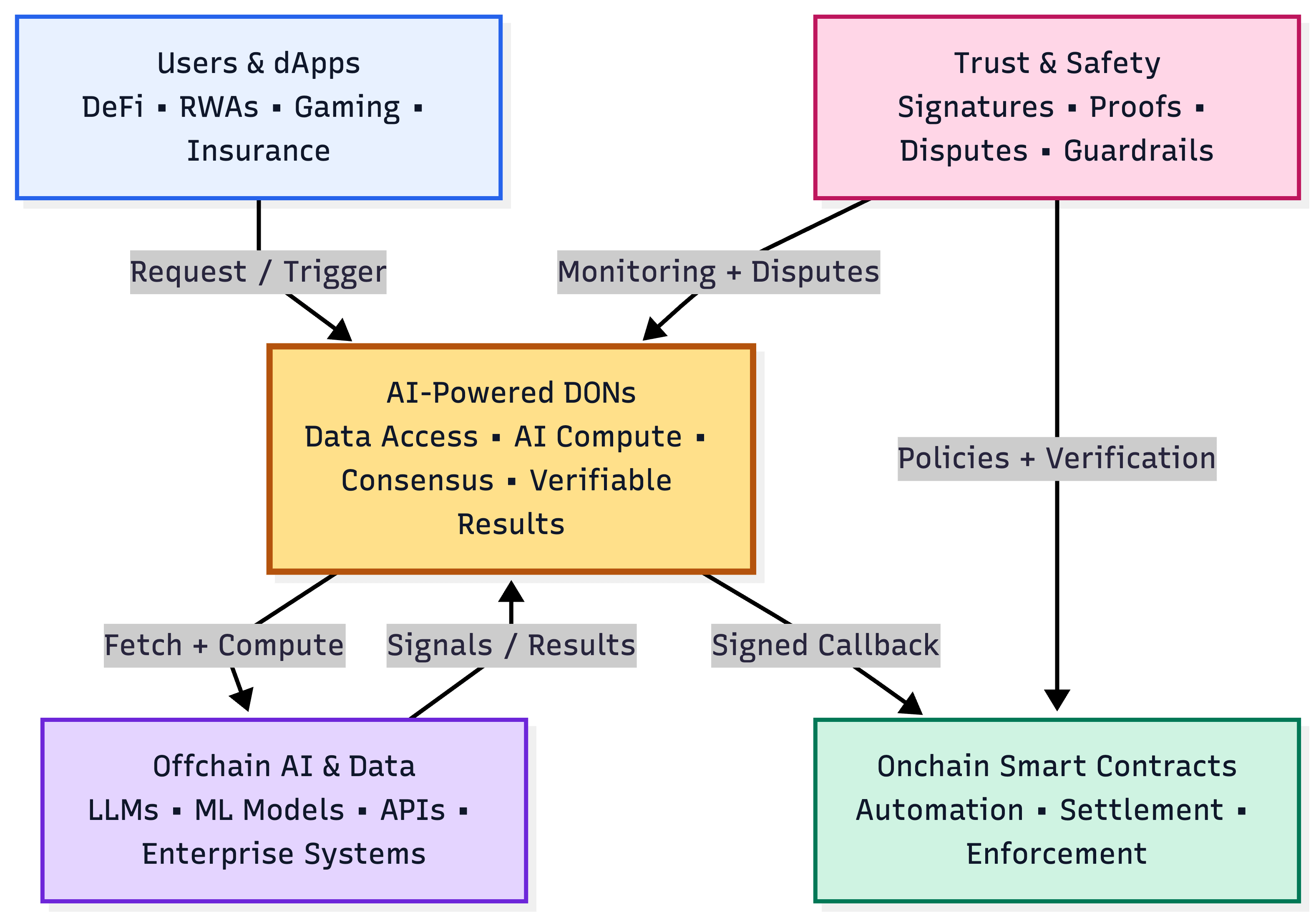
Identity
Settlement
Proof
Governance
Fabric is attempting to formalize that coordination layer.
That’s not a short-term trading thesis. It’s a structural one.
Final Takeaway
@Fabric Foundation Protocol isn’t a robotics buzzword play it’s an attempt to build the accountability and coordination framework autonomous systems would need to operate inside real economic networks. Whether adoption accelerates quickly or gradually, the architectural logic is coherent, and coherent infrastructure tends to outlast cycles.
